Read More












China’s latest measure of levying value-added tax on interest income from national bonds, local government bonds, and financial bonds will resume starting this Friday could steer capital toward the stock market, according to mainland brokerages.
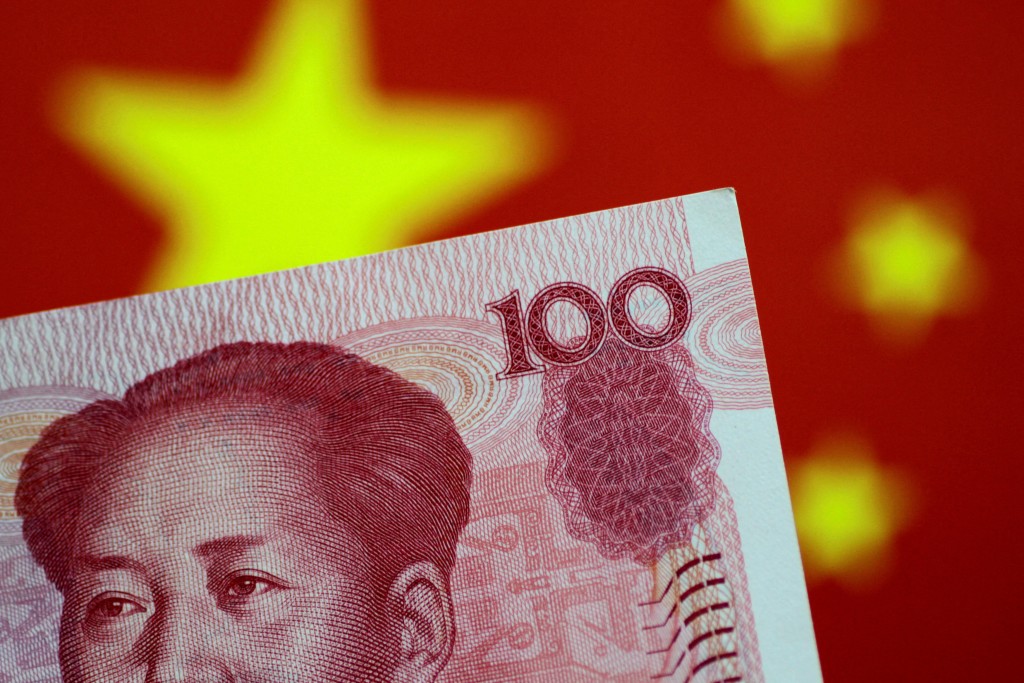
Mainland brokerages estimate the move will generate 34 billion yuan (HK$37.17 billion) in short-term fiscal revenue. As existing bonds mature and government/financial bond volumes grow, subsequent VAT revenue may reach around 100 billion yuan.
Analysts indicate that while yields on existing bonds remain unchanged, reduced returns on new bonds may lower interest rates for national and financial bonds. This is expected to shift capital from low-risk assets like bonds toward risk assets like stocks. Some market practitioners warn the tax disparity could pressure bond markets in the short term, as new issuances may require higher interest rates to compensate investors.
The policy is anticipated to significantly impact financial institutions like banks and insurers, though it may incentivize them to boost credit issuance and profit-sharing. Retail investors are largely shielded by exemptions with purchases under 100,000 yuan monthly or 300,000 yuan quarterly remaining VAT-free. However, indirect effects may arise as banks pay 6 percent VAT, while wealth management and asset management products face 3 percent, potentially affecting returns for fund investors, according to the analyses.
More measures are expected, including the ongoing optimization of bond market structures, institutional arrangements, and tax policies in the future.
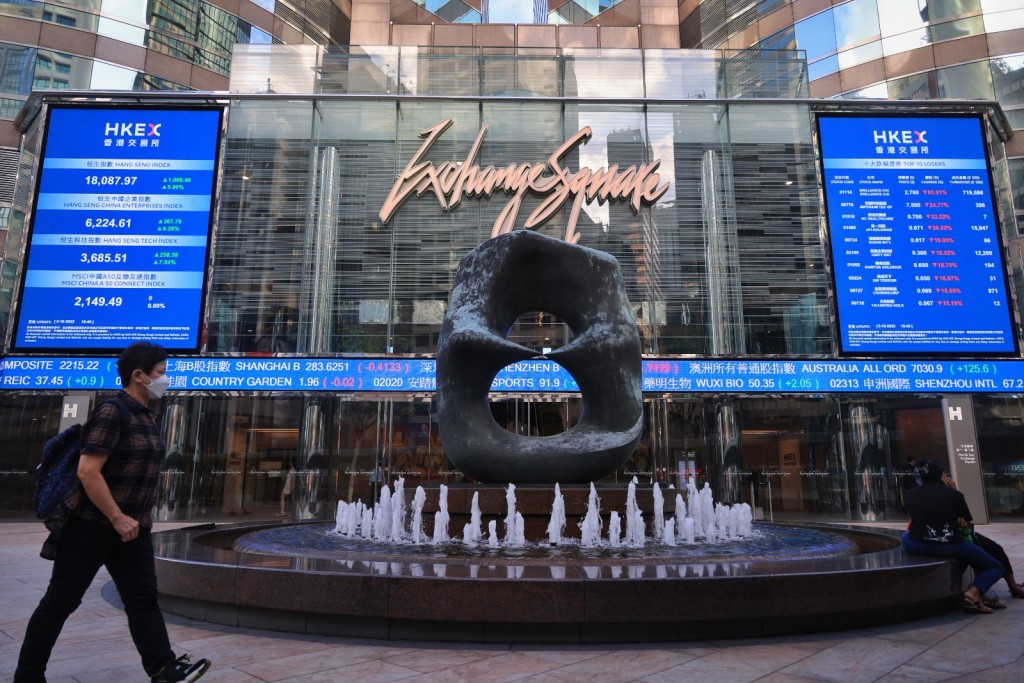
But the mainland markets were muted in the morning session. The Shanghai Composite Index ended 0.2 percent higher at 3,567 while the Shenzhen Component Index lost 0.28 percent to 10,960.
STAFF REPORTER