Read More










I. The Essence of U.S.-China Rivalry and Differences in Political Systems
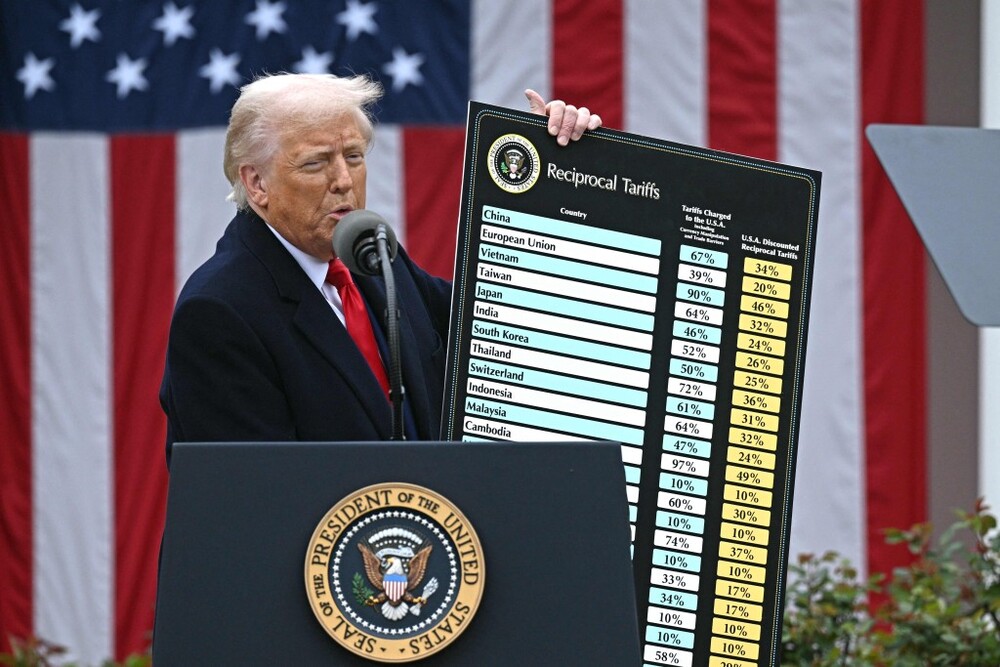
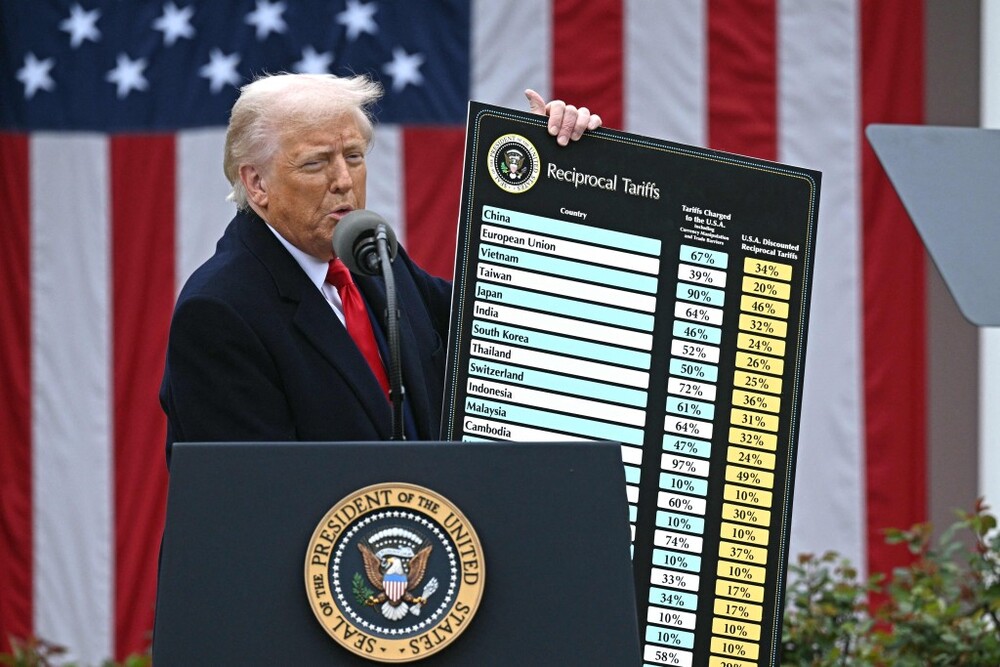
1. The Inevitability of U.S. Unilateralism?The current trade war is fundamentally a systematic strategic offensive launched by the United States to curb China’s rise and preserve its global hegemony. The Trump administration employed measures such as tariff hikes and technological blockades to reshape a U.S.-centric global supply chain. However, its policy logic reveals inherent contradictions:
* Domestic Political Drivers: To appeal to the anti-globalization sentiments of blue-collar voters ahead of the 2026 midterm elections, the Republican Party has used tariffs as a quick fix to deflect domestic discontent. Yet, history shows that protectionism often backfires—e.g., the 1930 Smoot-Hawley Tariff Act exacerbated the Great Depression.
* Strategic Miscalculation: The U.S. underestimated China’s supply chain resilience (in 2024, China’s export dependence on the U.S. was only 14.7%) and the scale of its domestic demand (accounting for 70% of GDP). The “decoupling” policy has instead accelerated the trend toward global multipolarity.
2. China’s Systemic Strengths and Endurance?The stability of China’s political system equips it with the capacity for long-term strategic competition:
* Policy Consistency: Free from the constraints of electoral cycles, China can focus resources on overcoming critical technological bottlenecks—e.g., achieving mass production of 14-nanometer chips by 2025.
* Domestic Demand Buffer: With a consumer market of 1.4 billion people, China can offset export declines (in 2024, domestic demand contributed 82% to GDP growth). Meanwhile, the U.S. consumer market relies heavily on affordable Chinese goods (21% of U.S. imports), with 90% of tariff costs borne by American businesses and consumers.
II. Structural Differences in U.S.-China Trade and Diverging Impacts on Livelihoods
1. United States: Immediate Pressure on Living Standards
* Dependence on Consumer Goods: The U.S. imports 37% of its furniture, 28% of its textiles, and 23% of its electronics from China. Tariffs directly inflate household expenses—for instance, the price of a Chinese-made robot vacuum could rise by 25%, fueling inflationary pressures (U.S. CPI rose 3.5% year-on-year in March 2025).
* Risk of Stock Market Crash: Approximately 70% of American wealth is tied to the stock market. A sharp decline in stock prices could spark widespread discontent with the ruling Republican Party and government, severely impacting expectations for the 2026 midterm elections.
* Political Backlash: Iowa soybean farmers have seen incomes drop by 23%, forcing the U.S. government to provide $15 billion in subsidies, further ballooning the federal deficit (national debt now exceeds $36 trillion).
2. China: Structural Adjustments to Mitigate Impact
* Import Substitution Strategy: For products heavily reliant on the U.S. (e.g., chips, LNG), China has diversified procurement. In 2024, LNG imports from the U.S. fell by 80%, replaced by supplies from Qatar and Russia, while firms like Yangtze Memory boosted domestic 28nm chip self-sufficiency to 30%.
* Delayed Impact on Livelihoods: China’s imports from the U.S. are primarily industrial inputs (e.g., soybeans, chips), with limited direct effects on consumers. Export restrictions on electromechanical products—mostly intermediate goods—are cushioned by rerouting trade through Southeast Asia (e.g., assembly in Vietnam for resale to the U.S.).
III. Key Data and Scenario Analysis
Dimension U.S. Pressure Points China’s Response Logic
Economic Structure Consumption: 68% of GDP; Services: 82%. Hard to pass on tariff costs. Manufacturing: 27% of GDP; Domestic market absorbs export losses.
Supply Chain Reliant on China for semiconductors, rare earths (e.g., 60% of F-35 parts from China). RCEP strengthens regional supply chains (68% intermediate goods trade), reducing U.S. reliance.
Political Cycle Must stabilize inflation (target: 2.5%) by 2026 midterms; tariffs push PCE to 2.8%. Clear 5% GDP growth target for 2025; robust policy tools (rate cuts, vouchers).
Technological Rivalry Semiconductor lag of 2-3 generations (7nm+ capacity: 15%). 14nm mass production in 2025; quantum computing lead (512-qubit entanglement).
IV. Future Projections: Key Flashpoints in a Stalemate Adaptation Period
1. Key Issues in U.S.-China Talks on April 9, 2025
* China’s Bottom Line: Demands the U.S. lift 200% tariffs on Chinese solar panels and electric vehicles and end sanctions on Chinese tech firms.
* U.S. Demands: Pressures China to increase chip imports (2024 imports: $320 billion, down from a 2022 peak of $350 billion).
2. Trends in Global Supply Chain Restructuring
* Regionalization Accelerates: RCEP trade share rises to 35%; Mexico emerges as a new hub for U.S. auto parts (logistics costs up 15%).
* Technological Standards Divergence: The U.S. pushes “friendshoring,” countered by the EU’s Digital Markets Act and China’s Digital Silk Road.
V. Conclusion: A Contest of Endurance and Systemic Strengths
The trade decoupling war is, at its core, a test of institutional resilience. The U.S. can exert short-term pressure through tariffs, but risks long-term setbacks from uncontrolled inflation and industrial hollowing-out. China, leveraging its systemic stability, vast domestic market, and technological breakthroughs, is poised to gradually seize the strategic initiative.
(Chan Sun-sun)