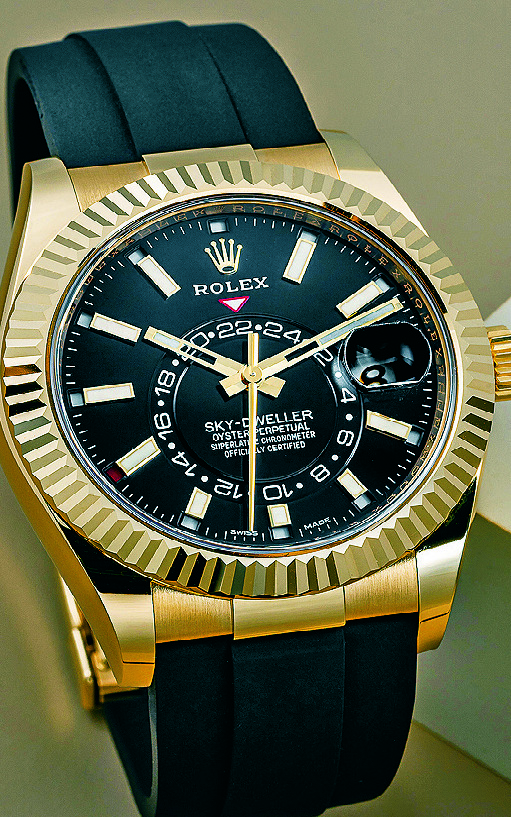
When Rolex announced its new timepieces in September, fans breathed a huge sigh of relief, as many feared this year's release would be delayed.
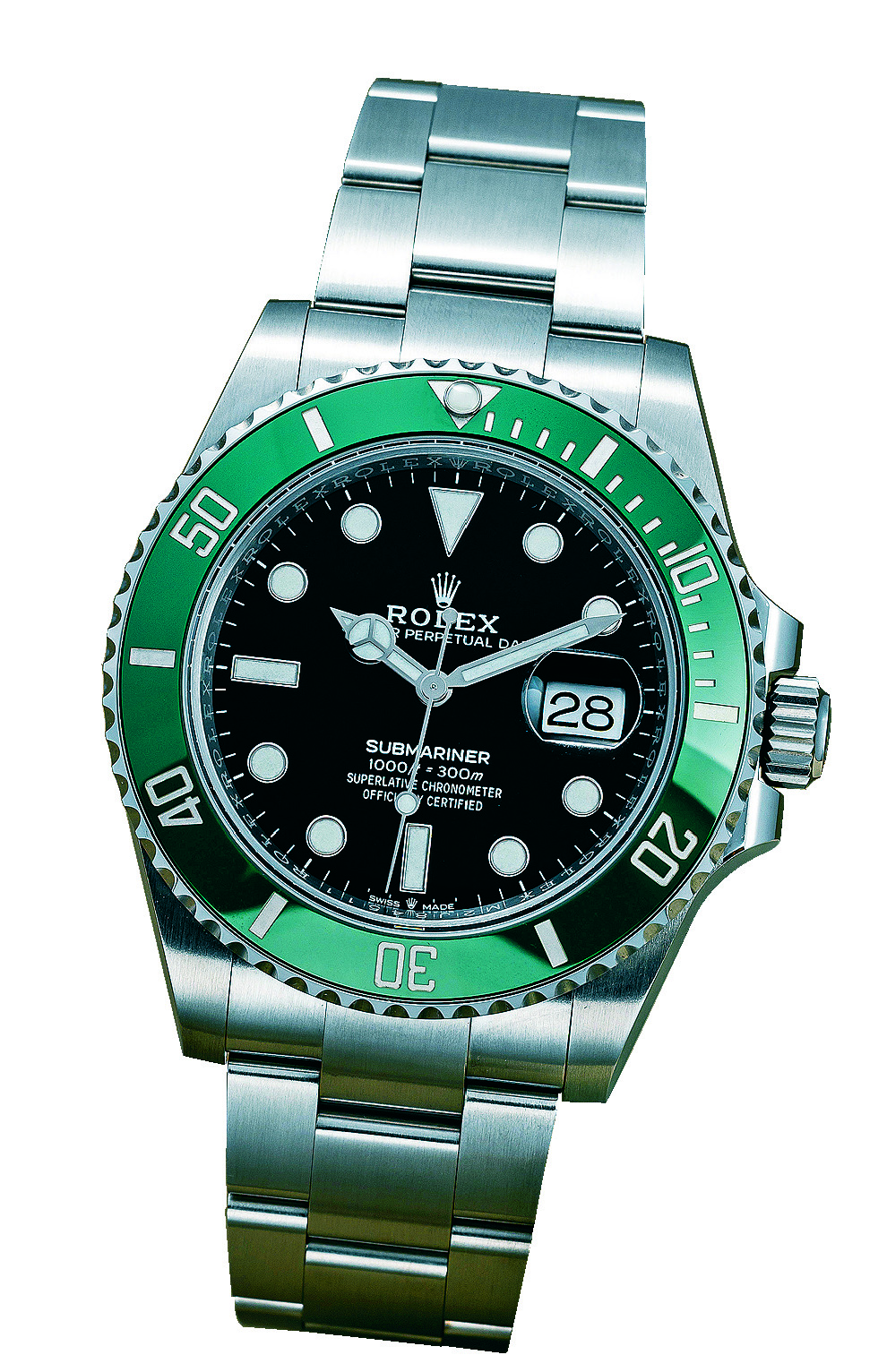
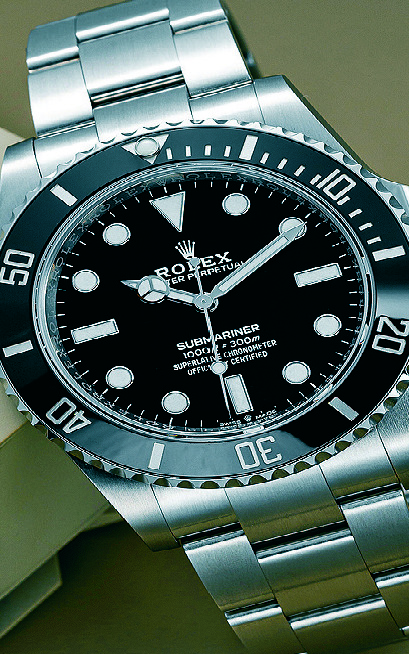
As usual, the focus was on the Submariner diver's watch. This time, the most significant improvement is that it contains a 3235 caliber with higher accuracy, alongside a new case, dial and straps.
The Submariner is Rolex's most iconic collection - not only because it is one of the world's first professional divers' watches whose pioneering designs are now modern standards, but also because it holds an important place in the history of watchmaking.
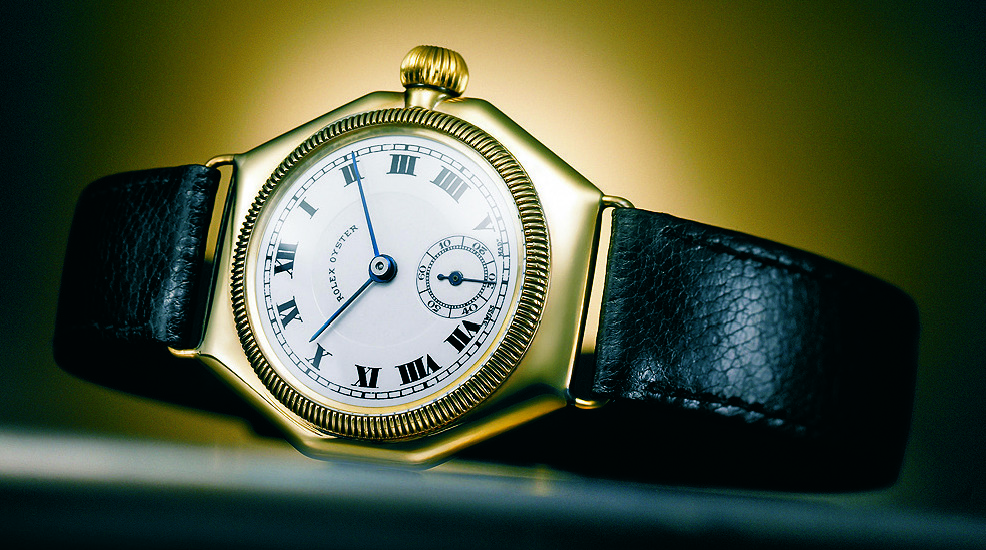
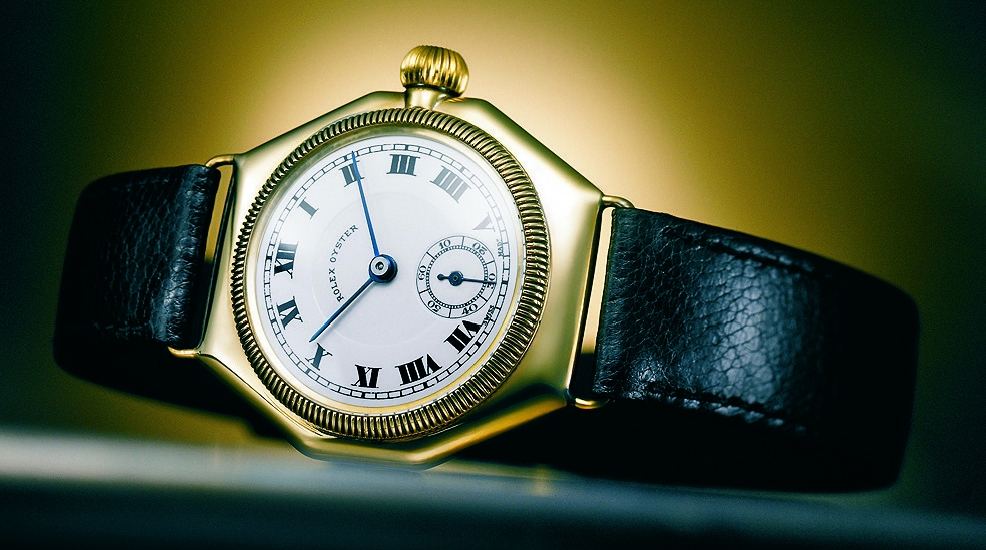
The invention of the Oyster case in 1926 marked a major breakthrough in waterproof watches.
Although Rolex launched the Submarine - a predecessor of the Submariner - in 1922, before the Oyster case was released, it was the first step for Rolex in creating a sealed watch case that was also user friendly and convenient.
Like with waterproof cases for cameras, the watch is attached to a hinge inside another outer case, with the bezel and crystal screwed down to make the outer case watertight.
The Oyster case has multiple waterproof design patents. One of them is the technique of screwing the bezel, case back and winding crown down against the middle case, ensuring the case is hermetically sealed.
But technical aspects aside, what made the Oyster a brand classic is the watch's cross-channel legend.
To prove how waterproof the watch was, Rolex founder Hans Wilsdorf asked champion swimmer Mercedes Gleitzeto to carry an Oyster with her during her bid to cross the English Channel. She went on to become the first British woman to achieve that distinction, and as her fame grew, so did that of the Rolex Oyster case she wore.
Decades later, the Oyster case, Cerachrom bezel and solid-link Oyster bracelet of this year's Submariner have not deviated much from its predecessors - at least to the eye - though the case has expanded by a millimeter to 41mm, and the watch lugs have become slightly narrower. As a result of the smaller lugs, the bracelet is also 1mm wider.
While the changes are small, the new size feels like a nod to the previous Bubbleback watches and gives a rougher impression, which ties in well with its function as a sporty divers' watch.