Read More







Peace talks with an unpredictable president | High-flier | Jeffrey Lam
14-04-2026 04:51 HKT



Chinese auto giant BYD's female CFO earns more than its founder last year
15-04-2026 19:12 HKT
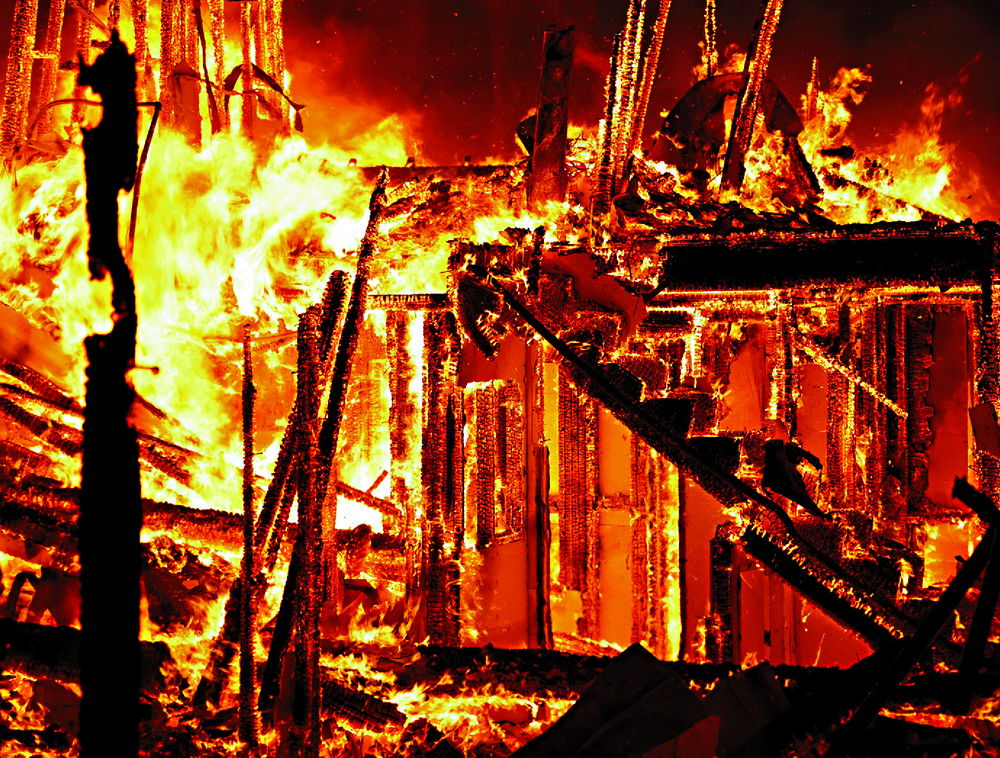
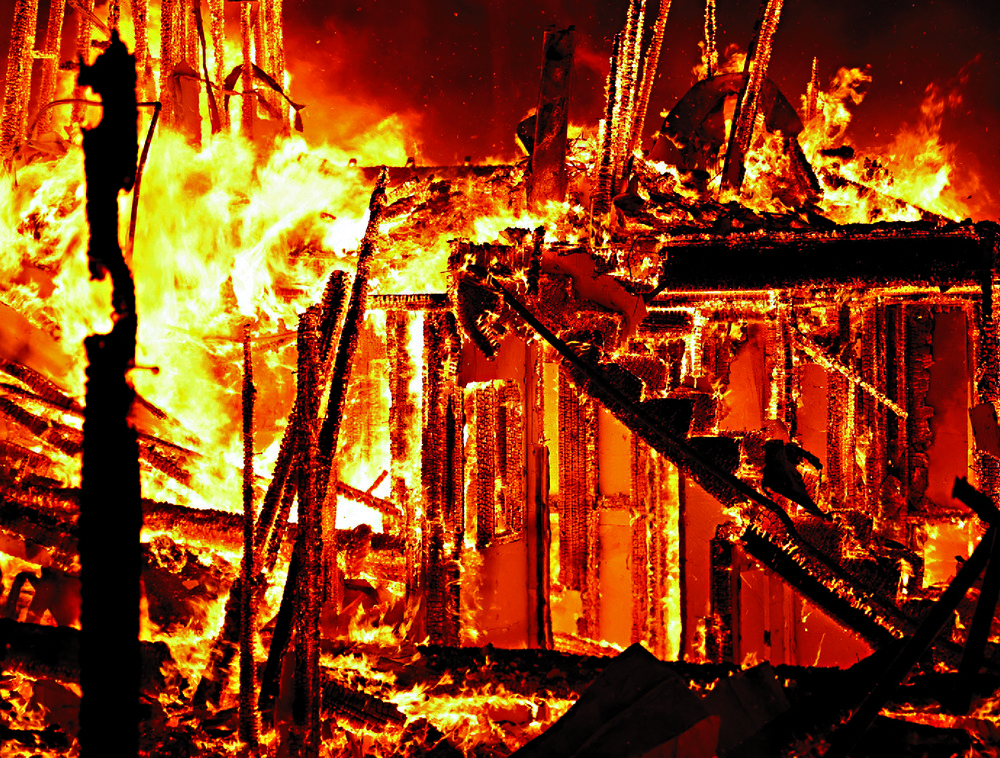
Powerful Santa Ana winds, with gusts reaching hurricane strength, swept down the mountains outside Los Angeles and spread wildfires into several neighborhoods starting a week ago, creating a terrifying scene.
What causes the Santa Ana winds?
When conditions are dry, as they are right now, these winds can become a severe fire hazard.
They occur when there is high pressure to the east, in the Great Basin, and a low-pressure system off the coast. Air masses move from high to low pressure, and the more extreme the difference in the pressure, the faster the winds blow.Topography also plays a role.
As the winds rush downslope from the top of the San Gabriel Mountains, they become drier and hotter. That's a function of the physics of air masses. By the time the winds get to the point where the Eaton Fire broke out in Altadena last Tuesday, it's not uncommon for them to have less than 5 percent relative humidity, meaning essentially no moisture at all.Canyons also channel the winds. I used to live in the Altadena area, and we would get days during Santa Ana wind events when the wind wasn't present at all where we lived, but, a few blocks away, the wind was extremely strong.
These strong, dry winds are often 48 to 64 kilometers per hour. But they can be stronger. The wind gusts early this month were reported to have exceeded 128 kmh.Why was the fire risk so high this time?
Typically, southern California has enough rain by now that the vegetation is moist and doesn't readily burn. A study a few years ago showed that autumn moisture reduces the risk of Santa Ana wind-driven fires.This year, however, conditions are very dry, with very little moisture over the past several months. With these extreme winds, we have the perfect storm for severe fires.
It's very hard to extinguish a fire under these conditions. The firefighters in the area will tell you, if there's a Santa Ana wind-driven fire, they will evacuate people ahead of the fire front and control the edges - but when the wind is blowing like this, there's very little chance of stopping it until the wind subsides.Other states have seen similar fires driven by strong downslope winds. During the Chimney Tops 2 Fire in Tennessee in November 2016, strong downslope winds spread the flames into homes in Gatlinburg, killing 14 people and burning more than 2,500 homes. Boulder County, Colorado, lost 1,000 homes when powerful winds coming down the mountains there spread the Marshall Fire in December 2021.
Have the Santa Ana winds changed over time?Santa Ana wind events aren't new, but we're seeing them more often this time of the year.
My colleagues and I recently published a paper comparing 71 years of Santa Ana wind events, starting in 1948. We found about the same amount of overall wind activity, but the timing is shifting from fewer events in September and more in December and January. Due to well-documented trends in climate change, it is tempting to ascribe this to global warming, but as yet there is no substantial evidences.California is seeing more destructive fires than we saw in the past. That's driven not just by changes in the climate and the winds, but also by population growth.
More people now live in and at the edges of wildland areas, and the power grid has expanded with them. That creates more opportunities for fires to start.In extreme weather, power lines face a higher risk of falling or being hit by tree branches and sparking a fire. The area burnt because of fires related to power lines has greatly expanded; today it is the major ignition source for fires in southern California.
The Eaton Fire, which has burned many homes, is at the upper perimeter of the San Gabriel Basin, at the base of the San Gabriel Mountains.Fifty years ago, fewer people lived there. Back then, some parts of the basin were surrounded by citrus orchards, and fires in the mountains would burn out in the orchards before reaching homes.
Today, there is no buffer.The point of ignition for the Eaton Fire appears to have been near or within one of those neighborhoods.
Homes are made of dried materials, and when the atmosphere is dry, they combust readily, allowing fires to spread quickly through neighborhoods and creating a great risk of destructive fires.THE CONVERSATION/ASSOCIATED PRESS Jon Keeley is a fire ecologist
and professor at the Universityof California, Los Angeles