There is an application for everything: shopping, takeaway orders, ride hailing, fitness training, music, travel planning, chatting and many more.
According to App Annie, an analytics firm, consumers worldwide have downloaded a record 204 billion mobile apps last year, up 45 percent since 2016.
They also spent US$120 billion (HK$936 billion) on apps, subscriptions and other in-app spending that year.
Mobile users spend three hours and 40 minutes on average per day on apps. I'm confident 2020 figures will hit new heights as most of us have been staying home.
So how did this all begin?
Back in 1983, Steve Jobs first envisioned a platform where software could be bought over phone lines.
In 1997, the Nokia 6110 included a built-in version of the basic arcade game Snake, considered by many as the first mobile app.
The iPhone came out in June 2007, and Jobs said "the killer app is making calls."
Also noteworthy is the game Angry Birds, released in December 2009. By 2015, there were over three billion downloads of all entries in the series, making it the most successful freemium software of all time.
While the game is clearly past its peak, it is still popular in the market today.
In 2010, "app" was voted "Word of the Year." As app usage rose in the 2010s, firms began to expand genres and functionalities.
Apps are not just about gaming anymore but also video entertainment and shopping.
In 2020, social media apps dominate.
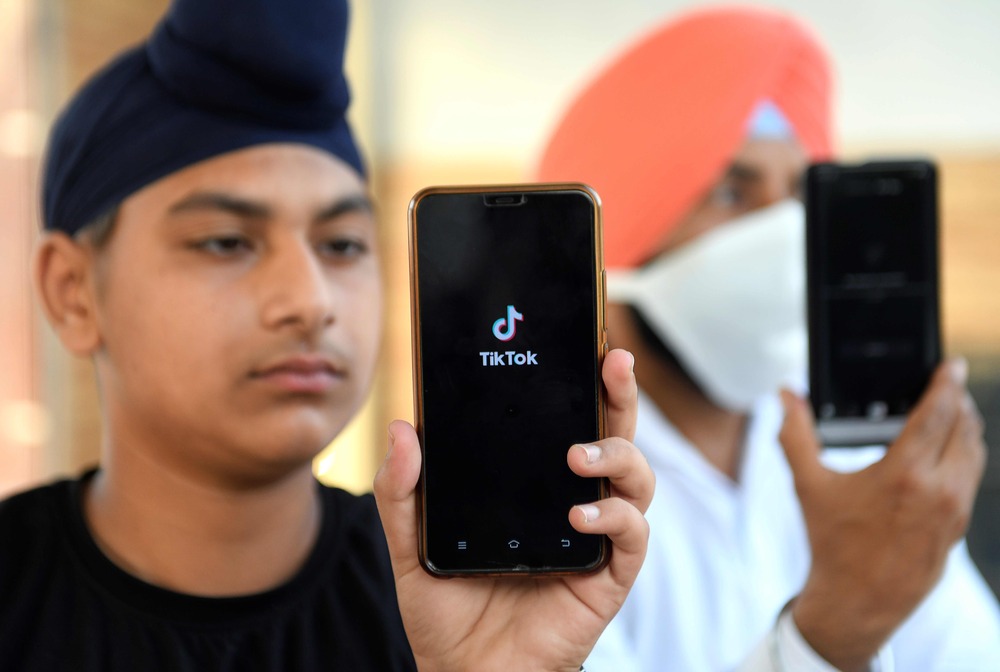
Zoom and TikTok got the most downloads, both on Apple Store and Google Play.
They are closely followed by Facebook, WhatsApp, Instagram and Messenger.
I believe the massive increase in popularity of social media apps is due to their remarkable versatility.
Zoom is a clear example, being installed almost four times more than Skype's and nine times more than Google Hangouts.
This teleconferencing software was originally intended for business clients but has since evolved to become many people's main way to contact others.
Zoom calls are how friends meet up and separated families stay in touch these days.
Other features that make Zoom attractive are its beautification filter and virtual backgrounds.
But more importantly, most users have reported it provides high quality, stable calls as well as added functionality, like sharing high-quality videos to call participants.
Likewise, TikTok is the new breakout video-sharing star that turns many of its users into viral sensations.
The company grossed US$177 million last year, more than five times up.
Its popularity also eclipsed Instagram's in 2018, thus dethroning Facebook's control over the top four apps globally.
The interesting thing about TikTok is that it blurs the line between social media and entertainment. It's a one-stop social media-cum-entertainment platform that allows users to shoot, edit, add music and effects that give great aesthetic pleasure.
Its massive success overseas has made ByteDance the first Beijing-based tech firm to truly reach a global audience, especially teens in traditional feudal and religious societies like India, Turkey and Pakistan.
Now they feel they are empowered to make decisions and express themselves by singing, dancing, acting and lip syncing.
India's demand could be attributed to the fact that half of its 1.3 billion population is under the age of 25.
A younger, tech-savvy audience has resulted in India becoming TikTok's top market, commanding 45 percent of the app's first-time downloads in 2019.
But India recently banned a handful of Chinese mobile apps including TikTok.
In 2009, an Apple commercial said "There's an app for that." While that was clearly an exaggeration in 2009 it has become reality in 2020.
But one thing is clear: with venues like schools, cinemas, museums, gyms and stadiums still closed, our life continues to be dependent on and defined by apps.
Dr Jolly Wong is a policy fellow at the Centre for Science and Policy, University of Cambridge
Young people turn out in droves for a TikTok dance callout in Vilnius, Lithuania, last month. Xinhua