Read More









Peace talks with an unpredictable president | High-flier | Jeffrey Lam
14-04-2026 04:51 HKT



Chinese auto giant BYD's female CFO earns more than its founder last year
15-04-2026 19:12 HKT

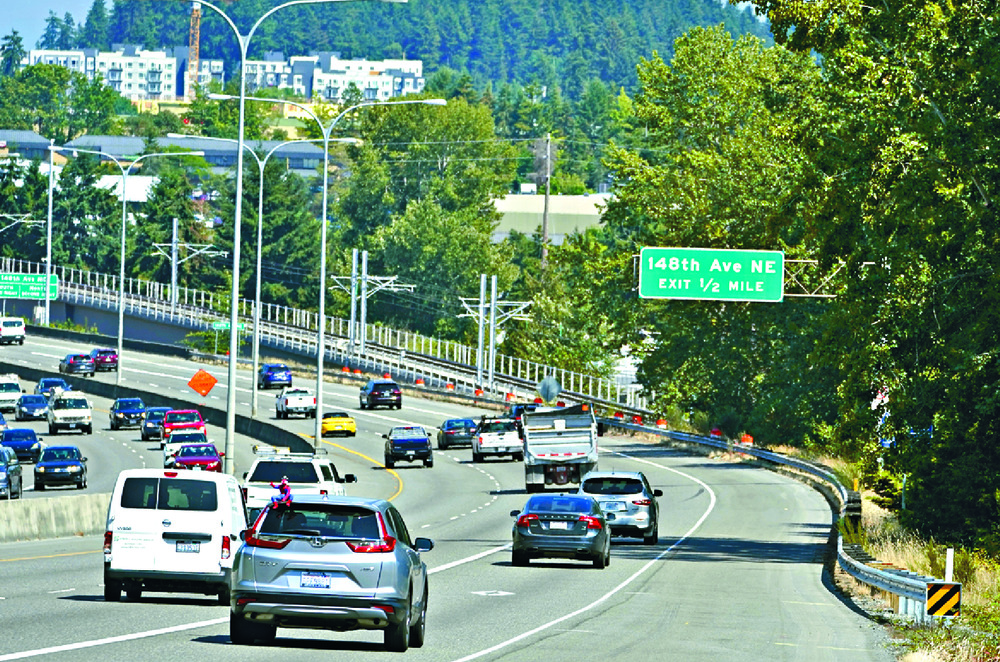
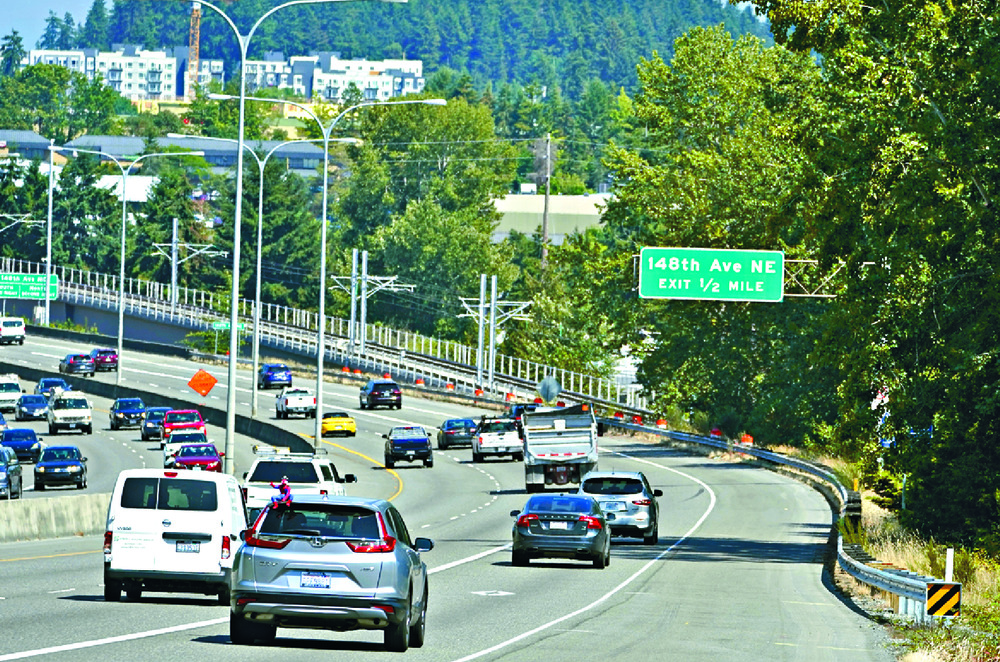
A series of smashes in the last fortnight remind me of the dynamic forces of vehicles going around bends and taking corners.
Whenever an object goes around, a curve a centrifugal force is created. That tends to pull it off the locus of the curve. This centrifugal force increases at the rate of the square of the speed of the object.
So when a vehicle goes around a curve, the resulting centrifugal force increases much faster than the linear rate of the vehicle's speed.
For a vehicle going 50 kilometers per hour, the additional centrifugal force for the first 10kph increase would be 44 percent, and 96 percent for the next 10 kph - a hefty additional force for an inexperienced driver to manage.
While drivers tend to go faster around a curve, a grave danger lurks in the form of a loss of control due to the increasing centrifugal force, causing a vehicle to lose traction or to overturn.
In the case of a motorcycle crashing into a road barrier at curves, it would most probably be caused by the centrifugal force exceeding the limit of adhesion of the tire to the road surface. Then the frictional forces between the motorcycle's tires and the road surface can no longer provide adhesion, causing the machine to veer off its intended path.
A motorcycle rider might not anticipate that this loss of adhesion can happen so suddenly that they cannot correct it.
And braking a motorcycle at high speed will not help as it only imposes excessive force on a tire, triggering it to break traction even earlier.
Steering the motorcycle into a curve also does not help as the lost adhesion will not allow tires to follow the road.
For a four-wheeled vehicle in expert hands, it may be possible to induce the vehicle to break traction at the rear wheels before the front wheels. That can induce a vehicle to skid into the curve, helping it to sail around a corner without hitting barriers.
But such a maneuver can only be achieved with great skill - as in drifting in some motor-racing scenes. To try this on a public road is to look for trouble and will often end in a fatal accident.
In the case of goods vehicles overturning in a warehouse building while negotiating curves up the the floors, another physical phenomenon occurs. This time, the traction of the tires is maintained but the centrifugal force of a vehicle with a high center of gravity caused the body to roll to such as extent that the center of gravity falls outside the outer wheels. Once a vehicle starts rolling, there are no righting forces to prevent it falling on its side.
In this case, however, should a driver quickly reduce a vehicle's speed by lifting his right foot from the throttle pedal, or even by gentle braking, the centrifugal forces will be reduced significantly and a rolling vehicle could right itself and hopefully remain on its intended path.
In all these cases, the problem appears to be a lack of knowledge of the threat of sudden increase in centrifugal forces with increasing vehicle speeds, which can play havoc with a vehicle's intended path.
The law of physics does not change. It is drivers ignoring this law who cause accidents.
Speed limits are imposed on roads for a good reason, and blatant ignorance is recipe for disaster, not only for a driver but other people on the road.
Veteran engineer Edmund Leung Kwong-ho casts an expert eye over features and forces in modern life