Read More




Is the AI boom turning into a bubble? | Zero Shot Inference | Allen Au
20-08-2026 05:08 HKT




IT manager sentenced to 22 months for stealing $1.2m in Deloitte laptops
21-08-2026 21:49 HKT
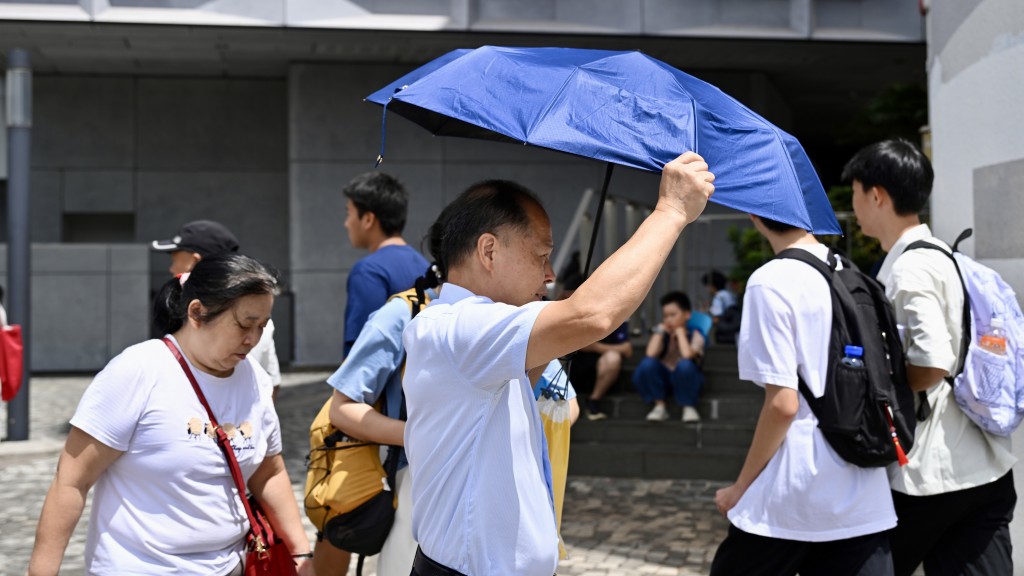


How to handle post-disaster reconstruction of the city after the Tai Po fire has become a critical issue. It is important not to overlook a key point: this reconstruction effort concerns not only the residents of Wang Fuk Court, but the entire city. Issues such as bid-rigging and whether the materials used in repair works meet standards actually affect all of Hong Kong.
There is an economic theory called “Post-Disaster Economics,” which focuses on both short- and long-term impacts of public disasters. In the short term, the destruction of assets and the economic effects of reconstruction are key concerns. A common misconception in many analyses is that asset destruction does not reduce GDP, and that reconstruction actually boosts GDP growth.
What has been overlooked is that, if funds were not used for reconstruction, they could be allocated to other investments or consumption. Therefore, to describe the actual impact on GDP – whether positive or negative – is not as simple as saying “destruction does not affect GDP” or “reconstruction drives GDP growth.”
Regarding the long-term effects, factors such as the speed of reconstruction, population, and capital flows, whether subsidies and policy reforms are people-centered, and whether social infrastructure, wealth disparity, and deep-rooted social conflicts are effectively addressed will all influence post-disaster economic development.
Therefore, after the Tai Po fire, whether Hong Kong will rise from the ashes or fall into prolonged stagnation remains uncertain. It ultimately depends on whether government policies gain social acceptance and whether investors trust that these policies will bring meaningful improvements.
In the coming weeks, the measures the Hong Kong government introduces to address the short-, medium-, and long-term underlying issues will be crucial.
Andrew Wong is a veteran independent commentator