





Read More







Mother's Day dining revenue drops $50m, expert says
11-05-2026 13:30 HKT
Hong Kong’s iconic Lamma Winds decommissioned after two decades
11-05-2026 18:07 HKT


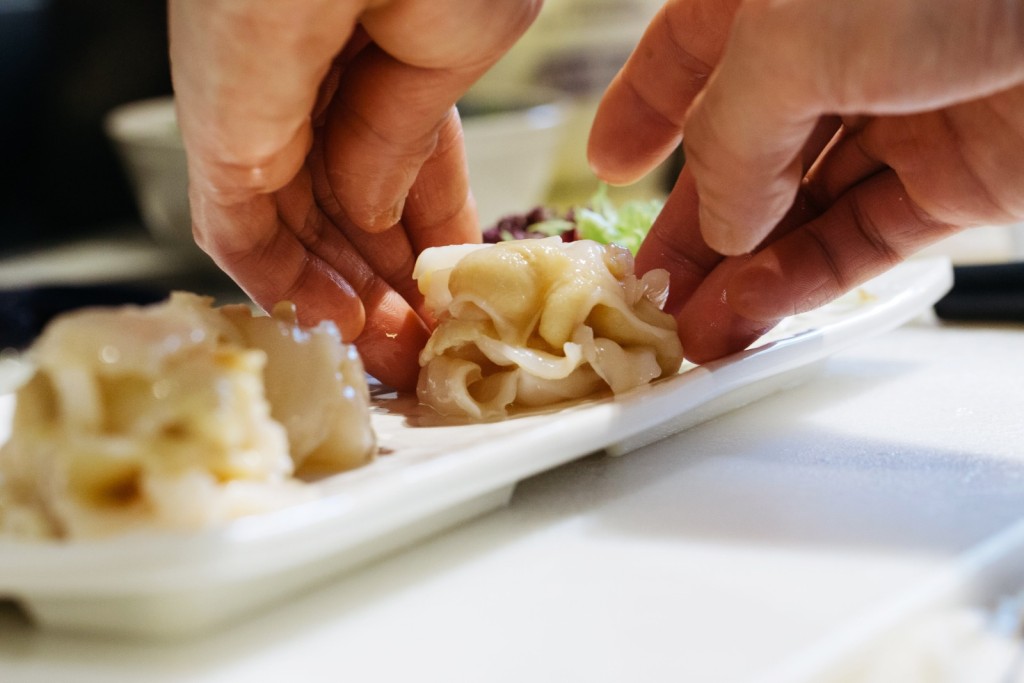
The geoduck, a peculiar-looking Pacific Northwest clam, has become a symbol of luxury in Hong Kong and China.
Celebrated for its tender texture, sweet flavor and distinctive appearance, this prized mollusc commands up to HK$1,500 per kilogram in high-end seafood markets. Its versatility has made it a favorite among chefs. It can be served raw as sashimi with soy sauce and wasabi, blanched for hot pots, or elevated in dishes such as rice broth with shrimp oil or steamed baby geoduck on vermicelli.
In Chinese culture, seafood symbolizes wealth and prosperity, and the geoduck’s rarity has secured its position as a status symbol at banquets and celebrations.
Its perceived health benefits and aphrodisiac qualities further enhance its appeal.
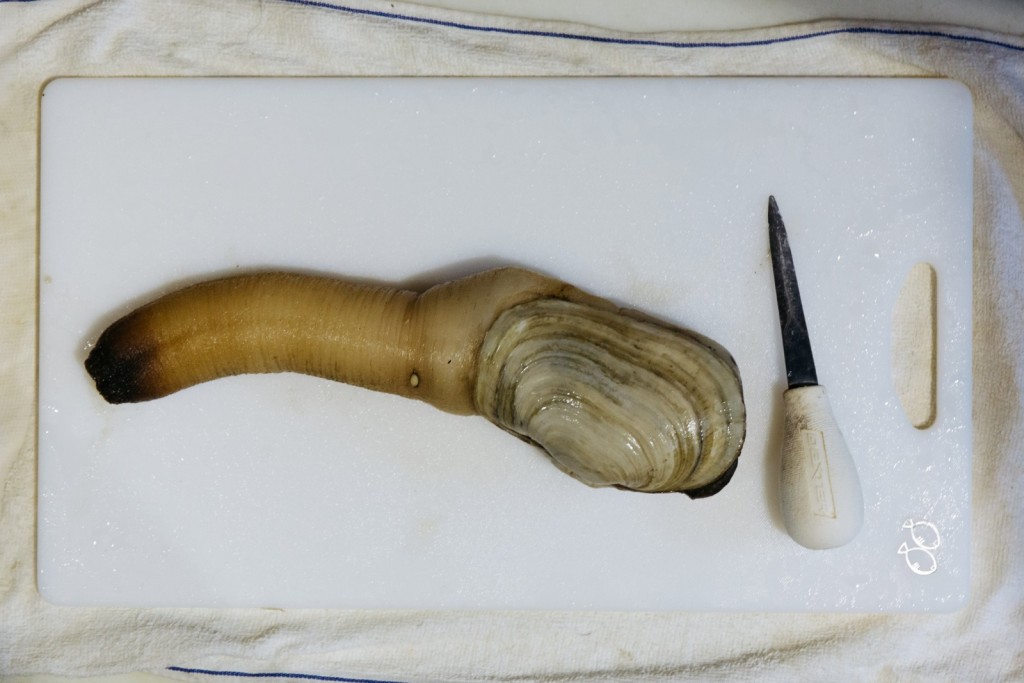
With the rise of international trade and culinary globalization, the geoduck has become increasingly accessible to seafood enthusiasts in Hong Kong.
Local chefs skillfully blend Western influences into traditional Chinese recipes, creating fusion dishes that cater to evolving palates.
In doing so, the geoduck has emerged as a culinary bridge between East and West, reflecting Hong Kong’s dynamic food culture.
For decades, Native American Suquamish tribal divers in Washington State have sustainably harvested geoducks, continuing a tradition that predates European colonization. Deeply connected to the Salish Sea, these divers ensure the clams are shipped alive to preserve freshness, with 90 percent of Washington’s geoduck exports destined for China.
Geoduck harvests are carefully managed with sustainability at the top of the agenda, and much of the revenues support aquatic restoration efforts.
However, behind this delicacy lies a complex supply chain and significant challenges.
Unfortunately, the US-China trade war has severely disrupted this industry. Tariffs have led to a sharp decline in orders, leaving Washington’s divers and exporters grappling with reduced harvests and substantial financial losses.
The trade war highlights the fragility of global supply chains for perishable goods such as geoducks. While this clam remains a sought-after delicacy in Hong Kong and China, its future depends on geopolitical resolutions.
For now, Washington’s divers can only hope for a breakthrough that revitalizes their livelihoods and ensures this remarkable mollusc continues to unite culinary traditions across continents.
Bernard Charnwut Chan is chairman of Tai Kwun Culture & Arts Co Ltd