Read More



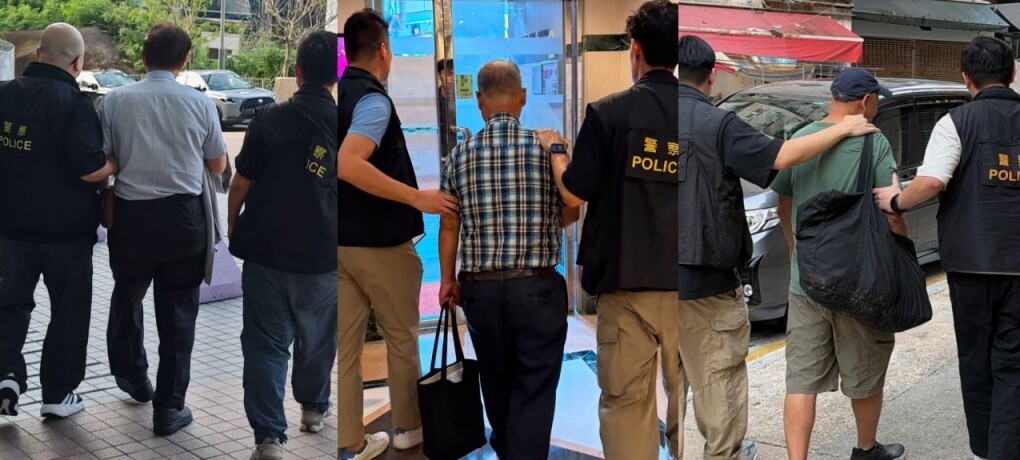
Three arrested over missing fire door frames in public estate lift overhaul
16-10-2026 20:10 HKT
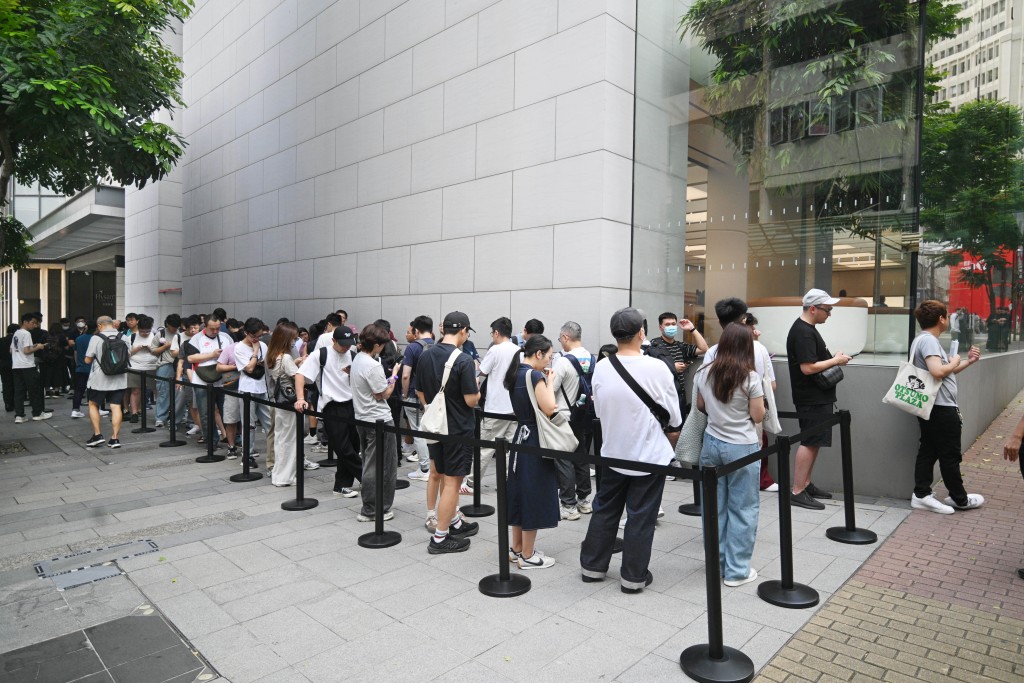
Credit card fraud hits foldable iPhone Duo launch
17-10-2026 12:23 HKT


Hong Kong is once again in the midst of the Hungry Ghost Festival, the seventh lunar month tradition when families prepare offerings for ancestors and wandering spirits alike. From incense at neighborhood street corners to bamboo theaters staging Chinese opera, the city balances ritual, folklore and community celebration in equal measure.
According to traditional beliefs, the gates of the underworld open during this lunar month, permitting ghosts to wander among the living. To honor their ancestors and appease hungry spirits, offerings of fruit, tea, meat and rice are arranged on makeshift roadside altars.
Incense sticks burn late into the night, while joss paper, fashioned into the shape of money, clothing or even the latest electronics, is burned as an offering to the afterlife.
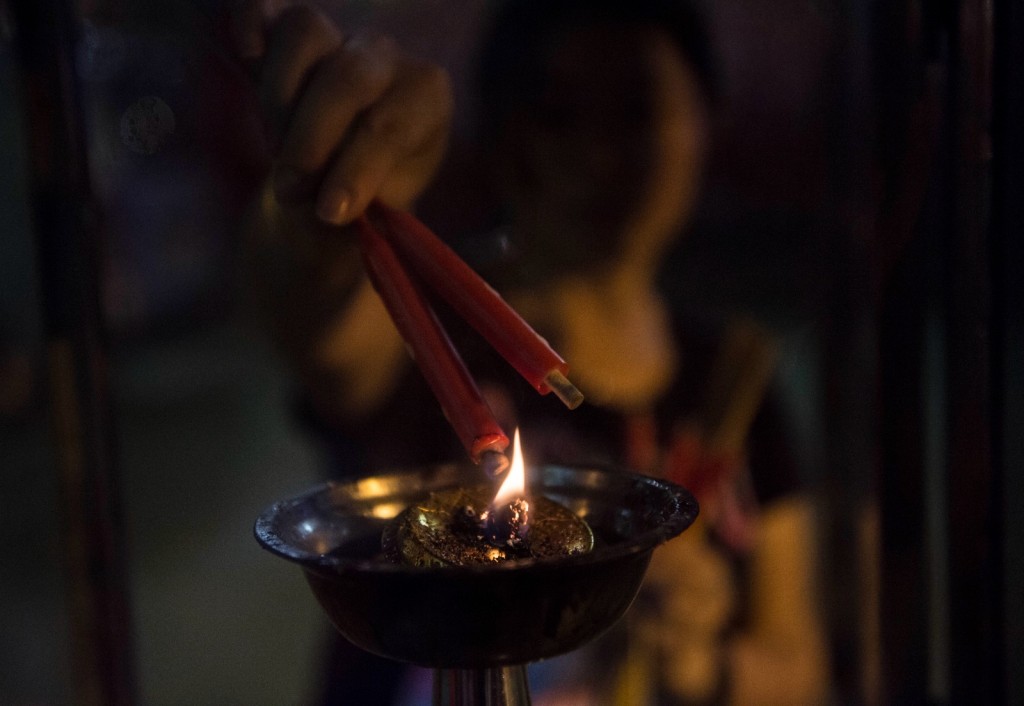
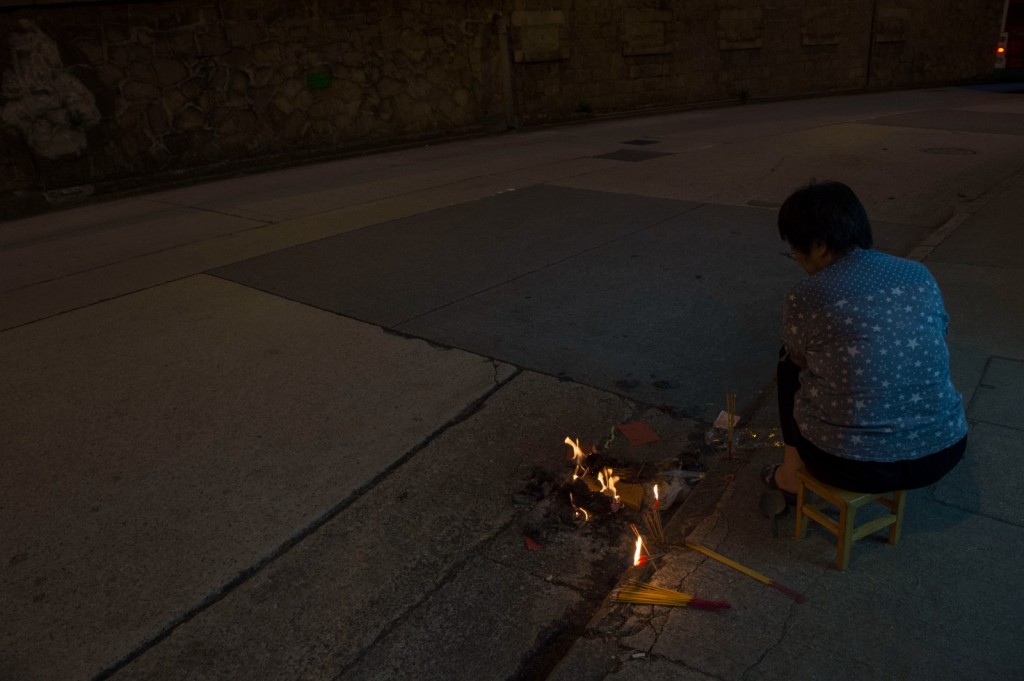
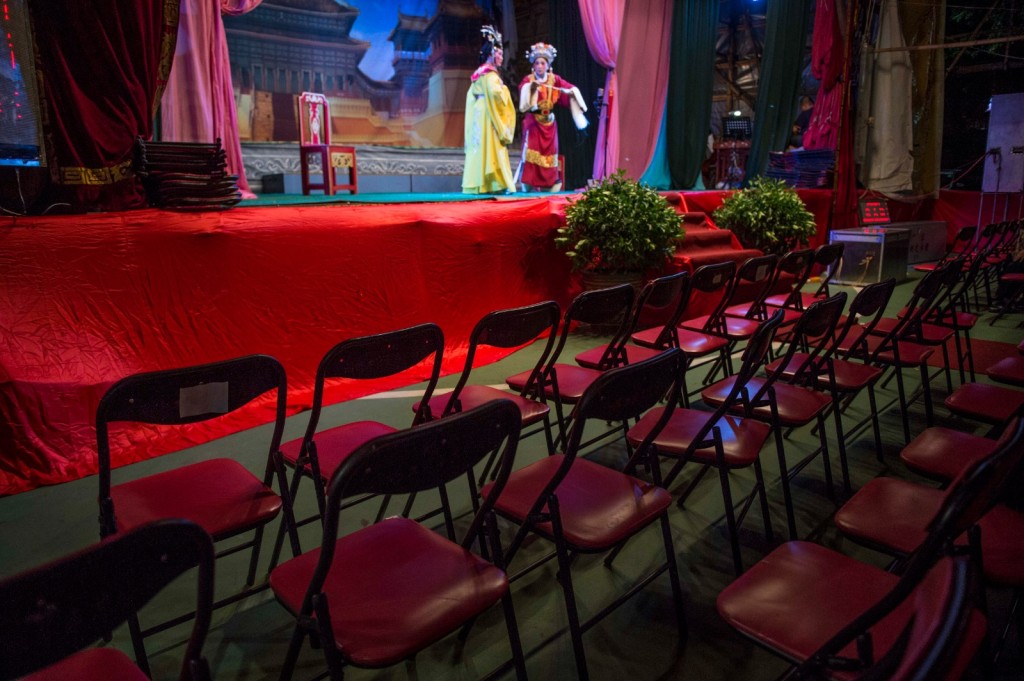
Opera troupes play a vital role in the festival, setting up bamboo stages in housing estates and villages for performances based on Chinese classics.
Actors in elaborate costumes sing stories of loyalty, betrayal and justice beneath bright lights. The vacant front-row seats serve as quiet invitations, reminders that unseen guests are also part of the audience.
For older generations, the festival holds deep significance, strengthening bonds with ancestors who remain part of family life even after death.
Younger Hongkongers, while perhaps less focused on the spiritual aspect, often see the occasion as a part of their cultural heritage. The display of paper offerings, the drama of live opera, and communal meals create an atmosphere that blurs the line between ritual and carnival.
Community is the essence of the festival. Amid Hong Kong’s rapid pace and pragmatic outlook, the Hungry Ghost Festival offers a moment to pause, connect with neighbors, participate in rituals and reflect on traditions handed down through generations. It emphasizes that respect for the past remains a crucial part of the city’s identity today.
The ghosts will eventually return behind closed doors, but the festival’s spirit persists as a living link between memory, reverence, and modern life in the city.
Bernard Charnwut Chan is chairman of Tai Kwun Culture & Arts Co Ltd