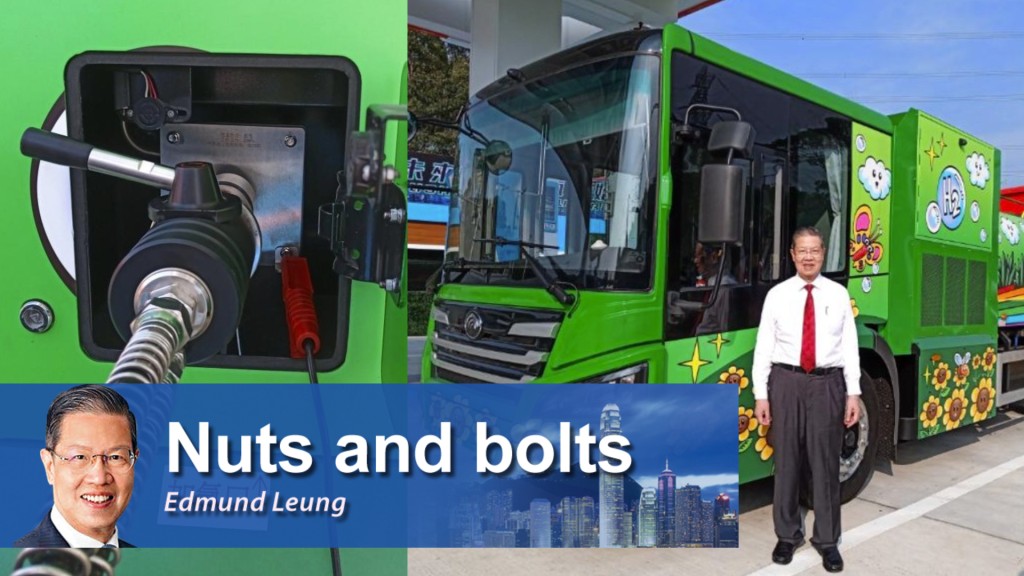
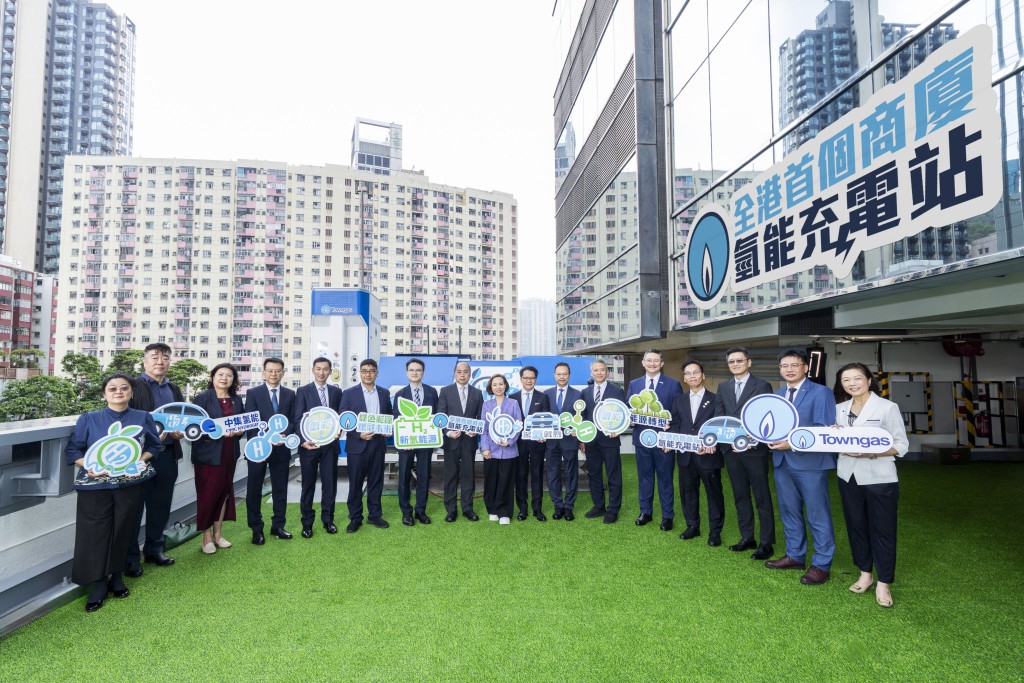
I had the privilege of visiting the new hydrogen vehicle filling station a fortnight ago, before it officially opened for commercial use.
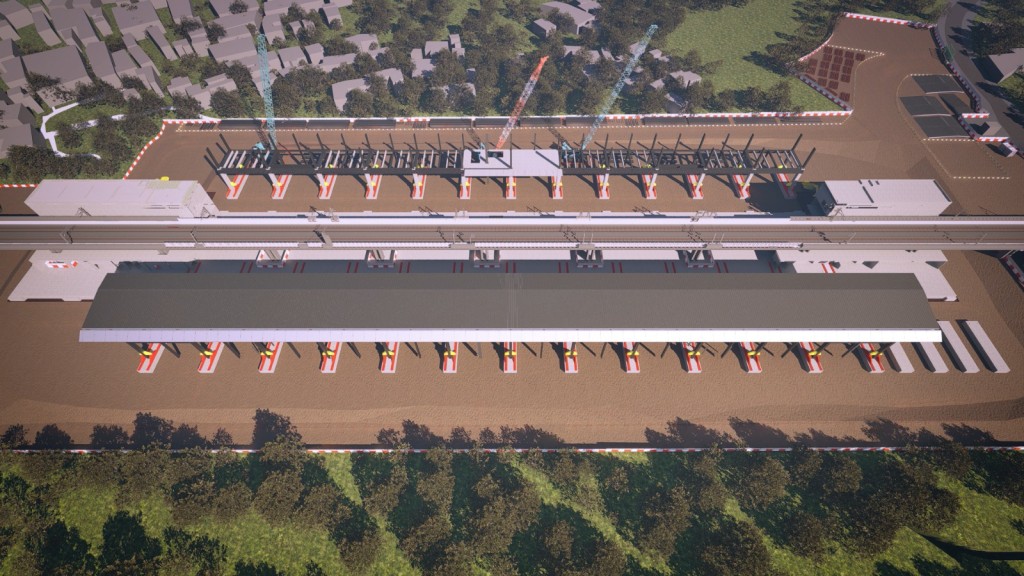
The station is located next to a conventional petrol and LPG filling station near the Au Tau traffic interchange near Kam Tin. It was designed as Hong Kong’s first commercial hydrogen filling station, initially catering to heavy vehicles, as there are no immediate plans for private cars to use hydrogen fuel cells in the city.
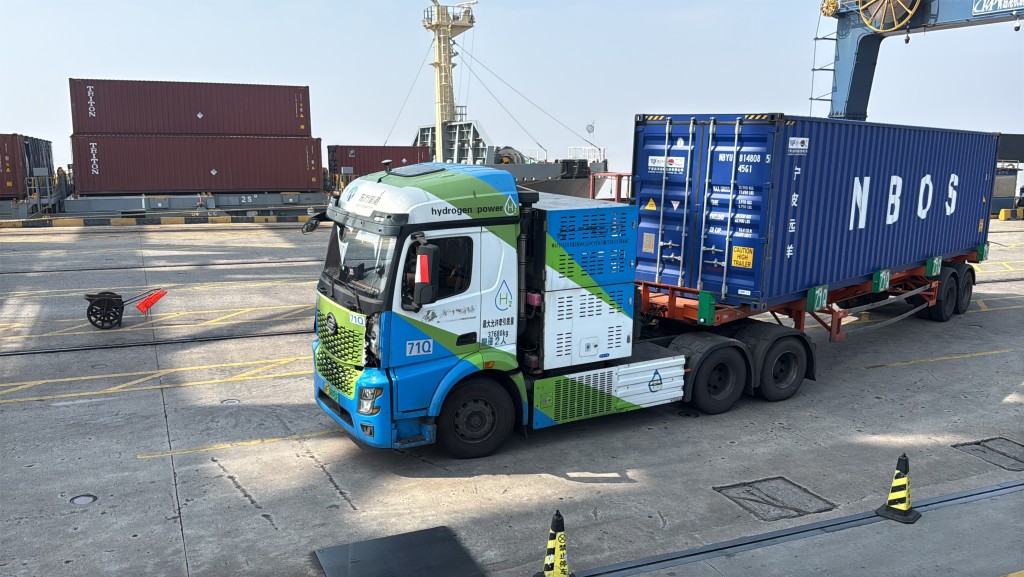
The station’s design and layout largely follow those already in use in the mainland. Operated by Sinopec, which has extensive expertise, experience, and a strong safety record, it should serve as a good reference for Hong Kong authorities in approving commercial operations. Once operational, it will serve hydrogen-powered buses, goods vehicles, and cold chain vehicles.
An essential feature for a hydrogen gas filling station is the need to ensure there is no hydrogen explosion. To start with, all electrical equipment and installations are built to high explosion-proof standards to ensure no electrical sparks which may trigger a hydrogen explosion.
The station is also sufficiently separated from the petrol and LPG filling station to eliminate any risk of cross-impact. A quantitative risk assessment has been conducted, and fire protection walls have been installed to maintain an acceptable safety level.”
The architecture of the station is such that the partial roof of the filling bay is sloping upward to eliminate any risks of hydrogen gas trapped in it. Hydrogen gas detectors and flame detectors are installed at all strategic locations to detect any leak or flames before they even approach a concentration that may cause any minor risks – and long before the extremely remote occurrence of an explosion.
During the filling process demonstration, I was fortunate to see a hydrogen fuel cell street washing vehicle – featuring its new livery from the winner of the Hydrogen Fueled Street Washing Vehicle Naming and Drawing Contest – stationed at the bay for the occasion.
To prepare the station staff for fueling operations, they underwent extensive training in the mainland to ensure full familiarity with the process. Staff must wear anti-static clothing to minimize static electricity buildup. Additionally, before each fueling operation, they must touch an electrostatic discharge pole to eliminate any residual electric charge. The vehicle being fueled is also properly grounded with an earthing cable to prevent static discharge, completely eliminating any risk of sparks.
The filling process can be completed within 15 minutes. To enable fast delivery of hydrogen gas, it is pressurized to 450 bars to fill up a vehicle’s hydrogen cylinders with storage pressure at 350 bars. As the gas at this stage arrives in tube trailers across the Shenzhen border, pressurized to 200 bars, there is a need to increase delivery pressure locally at the filling station.
This is done by an ionic compressor. In this system, the hydrogen gas remains isolated from the high-pressure pistons through an ionized fluid barrier, which serves the dual function of cooling and lubrication. This design ensures durable, reliable operation during pressurization.
To protect the filling operator from the risk of high-pressure gas when removing the nozzle after filling, the assembly is equipped with a purging pipe to relieve the residual gas pressure between the nozzle and receptacle.
To prevent the unlikely event of a vehicle driving away during the filling process and snapping the filler hose, releasing high pressure hydrogen, there is a quick release coupling in the filling hose.
Should that happen, valves in the filling system will immediately close off hydrogen supply to ensure the amount of leaked hydrogen gas will be minimized so it will never reach a concentration level that will risk an explosion.
The complete design and operation process are stringently monitored by the Electrical and Mechanical Services Department, which has extensive experience with monitoring LPG filling stations over the last thirty years.
With the hydrogen economy at our doorstep, authorities are sparing no effort to ensure total safety to protect the consumer and the general public.
We can expect that, with this filling station commencing commercial service, the use of hydrogen gas for fuel will gradually become a new trend to augment the various measures already in place toward achieving carbon-reduction goals.
Veteran engineer Edmund Leung Kwong-ho casts an expert eye over features of modern life