





Read More

STEM education using robots | Nuts and Bolts | Edmund Leung
26-06-2025 08:19 HKT
MTR keeps HK moving with new technology | Nuts and Bolts | Edmund Leung
18-06-2025 08:25 HKT




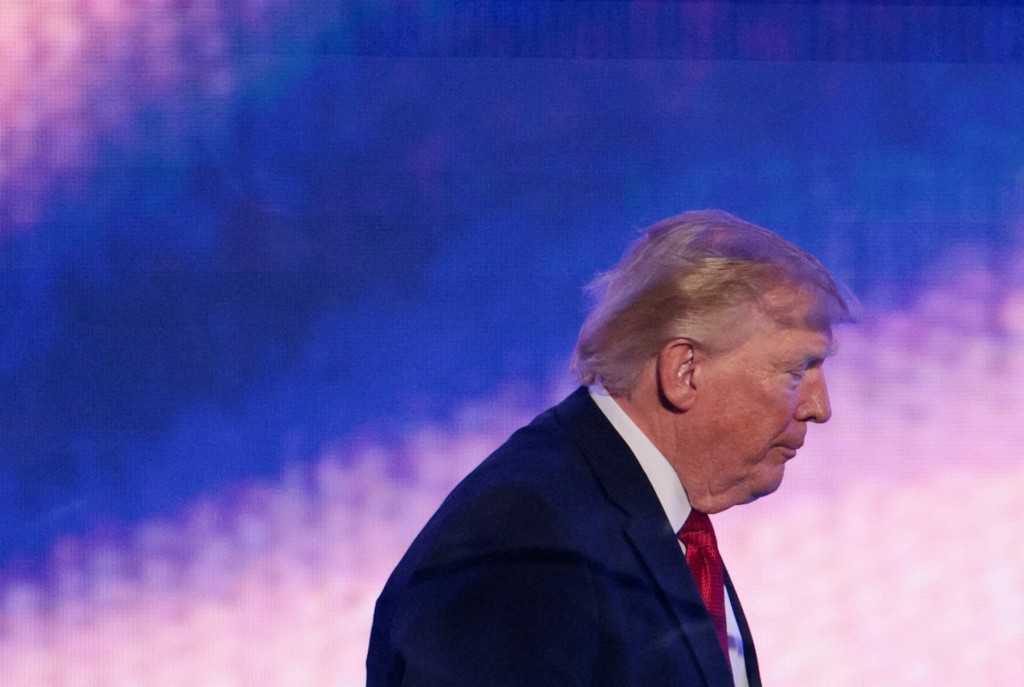
US President Donald Trump's reciprocal tariff policy has been in effect for over 10 days now and the changes have been quite significant.
Initially, all imported goods from every country were subject to these tariffs, but now only Chinese products face tariffs as high as 145 percent.
Over the weekend, Trump announced that tariffs on electronic products such as mobile phones and chips would be exempted, highlighting the drastic changes that are indeed difficult to adapt to.
Many analysts believe that Trump's policy is chaotic but if we analyze Trump through the lens of a businessman, it becomes clear that he is not difficult to predict.
Businesspeople typically share a trait: all negotiators ask for the stars before settling for the moon.
Therefore, every time Trump implements any foreign policy, he starts with the most extreme terms in the hope that countries will come to the bargaining table.
So once negotiations start, the United States has the upper hand.
If China is willing to negotiate, there is a chance to resolve the Sino-US trade war but Beijing has indicated it has no intention of negotiating at this time.
China believes that factors such as the rise of DeepSeek and its dominance as an exporter of electric cars give it the capability to withstand the threat of US tariffs.
China also believes that its stash of US Treasury bonds worth US$700 billion (HK$5.46 trillion) gives it leverage to counteract US trade threats.
However, cards such as DeepSeek and electric vehicles are not sufficient for China to rally other countries against America. Additionally, the US$700 billion bonds only account for 2 percent of US sovereign debt, which means American investors and the Federal Reserve can easily absorb any sell-off.
Now, as the trade war escalates, the United States says it might delist Chinese firms from its exchanges and this threat can't be ignored as it will have a significant impact on China.
Andrew Wong is a veteran independent commentator
