Nvidia on Monday unveiled a new chip that puts AI capabilities directly into laptops and desktop computers, to be delivered this fall, which experts said would overhaul how users engage with AI.
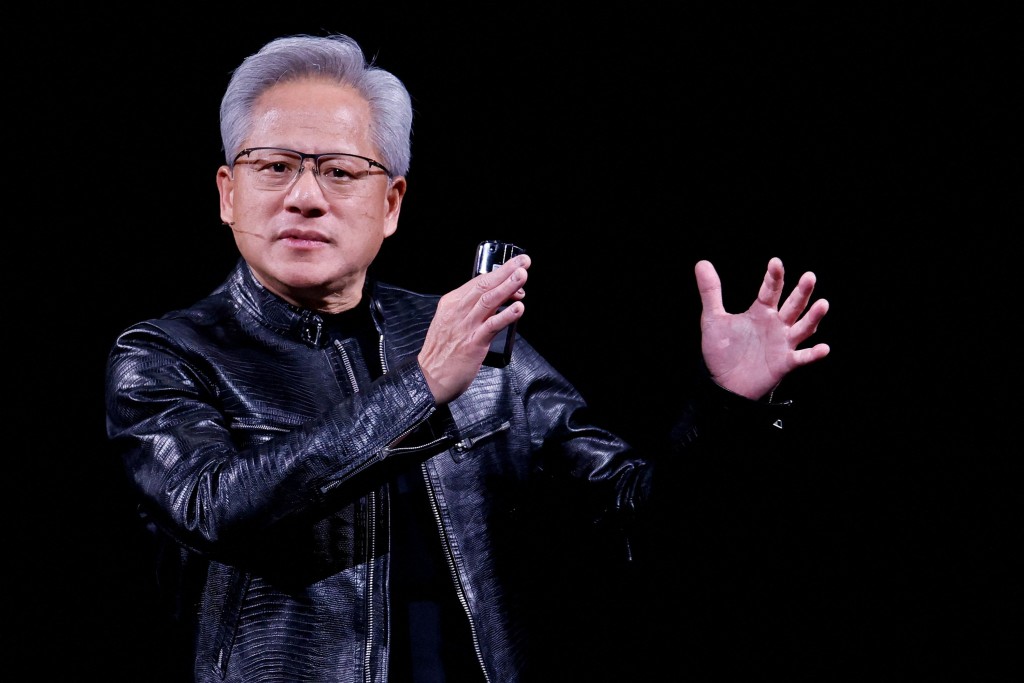
Nvidia CEO Jensen Huang, who is in Taiwan for the Computex conference, said the RTX Spark PC chip is part of Nvidia's effort with Microsoft to "reinvent the PC" for the AI era, after three years of collaboration between the companies.
The chip is designed to run AI agents locally rather than relying solely on cloud computing. Huang said that it was developed with Taiwan's MediaTek on the RTX Spark PC chip.
"The RTX Spark looks to transform the traditional app-centric PC to a real useful Agentic AI personal computer which will eventually be in every home in coming years as private edge AI agents become pivotal," said Neil Shah, Counterpoint Research co-founder.
"This is going to be the 'RTX Spark' moment for the personal computing segment like how iPhone, ChatGPT or DeepSeek have been."
The new chip and Nvidia's Vera central processing unit, underscore the company's increasing focus on PC and CPU products, with Huang spending much of his keynote address highlighting the RTX Spark PC chip and Vera CPU.
The Vera CPU is designed for AI agents and its early adopters include OpenAI, Anthropic and SpaceX, according to the US$5 trillion chip company's boss.
Huang was speaking and presenting ahead of Computex where leaders of some of the world's largest technology companies are gathering.
During an earnings call in May, Huang said Nvidia's new Vera central processors give it access to a new US$200 billion market.
"This (Vera CPU) is going to be our new major growth driver," said Huang during a lengthy speech outlining Nvidia's latest AI products and highlighting the island's central role in the global technology industry.
Huang dismissed as "complete nonsense" concerns that AI would reduce demand for software engineers, arguing instead that the technology would drive hiring by making workers more productive.
"This is the promise of AI. The number of engineers, software engineers, is actually increasing. People talk about AI reducing jobs - complete nonsense. It's causing more software engineers to be hired."
Huang, who was born in Taiwan's southern city of Tainan, announced plans last week to invest around US$150 billion a year in Taiwan, describing it as the epicentre of the AI revolution.
The speech at the Taipei Music Hall comes around two weeks after he accompanied US President Donald Trump on a visit to Beijing, part of a high-powered corporate delegation, to meet Chinese leader Xi Jinping.
The Computex trade show runs June 2 to 5.
Reuters