Caocao (2643), the ride-hailing arm of Chinese automaker Geely (0175), plans to deploy thousands of robotaxis globally next year. Its CEO says this sets up a potential rivalry with Tesla’s Cybercab.
Large-scale deployment of the Geely-made Eva Cab is expected in 2028. The fleet is then projected to expand to 100,000 by 2030.
The Eva Cab will initially hit roads in Abu Dhabi, Hong Kong, and five mainland Chinese cities next year. Production, delivery, and deployment will happen almost simultaneously.
The purpose-built robotaxi features a simplified cabin to reduce the risk of passengers leaving belongings behind. Gong said its cost would be lower than private cars, though he did not disclose the exact price.
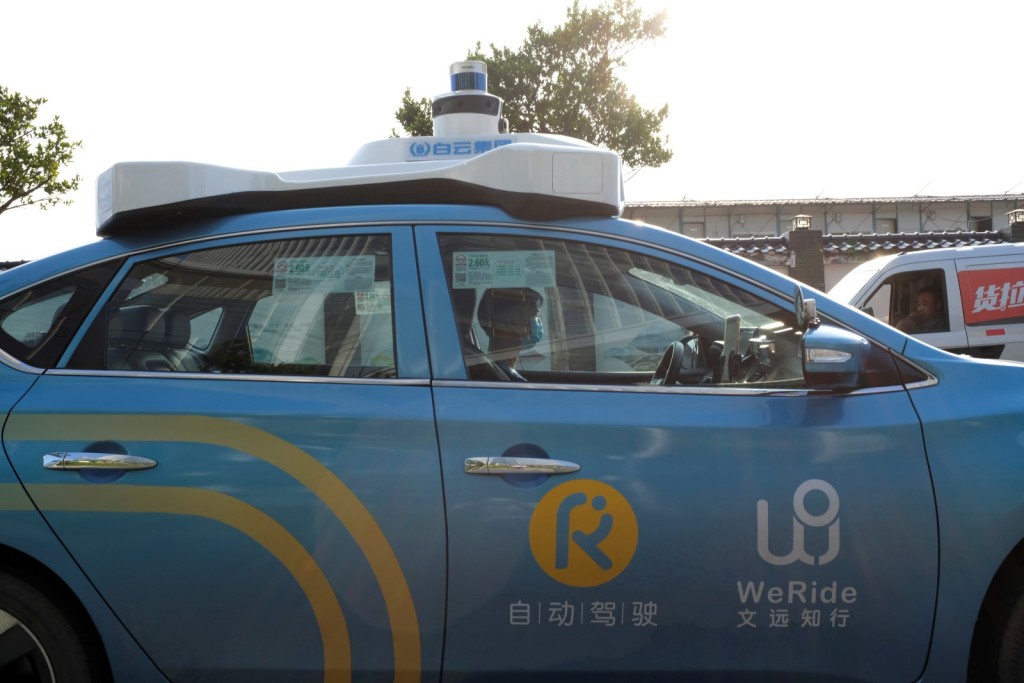
This approach contrasts with most robotaxis currently on public roads. Those are typically modified mass-market vehicles, which limit interior optimisation and cost control at scale.
Incubated by Geely in 2015, Caocao listed in Hong Kong in June 2025. It achieved its first-ever quarterly adjusted net profit in the fourth quarter.
The push comes as Chinese automakers move toward autonomous driving amid intensifying competition. Xpeng (9868) president Brian Gu told Reuters it will likely produce hundreds to thousands of robotaxis over the next 12 to 18 months.
Gu noted Xpeng’s initial focus will be on manufacturing. It still needs to find operating partners for a global robotaxi business.
This diversification points to a showdown with Tesla. Elon Musk has said Cybercab production will ramp gradually before scaling sharply to replace modified consumer cars.
Reuters