Greatness in racing is often reduced to numbers. Wins, margins, ratings, streaks. Silent Witness owns all of those. Seventeen straight victories. Three years ranked as the world's fastest sprinter.
But the reason Silent Witness still matters — two decades on — is not because of what he achieved, but because of how it felt while it was happening.
Before racing highlights circled the globe in seconds and social media turned every elite performance into instant content, Hong Kong produced a horse who dominated so completely that the world paid attention anyway.
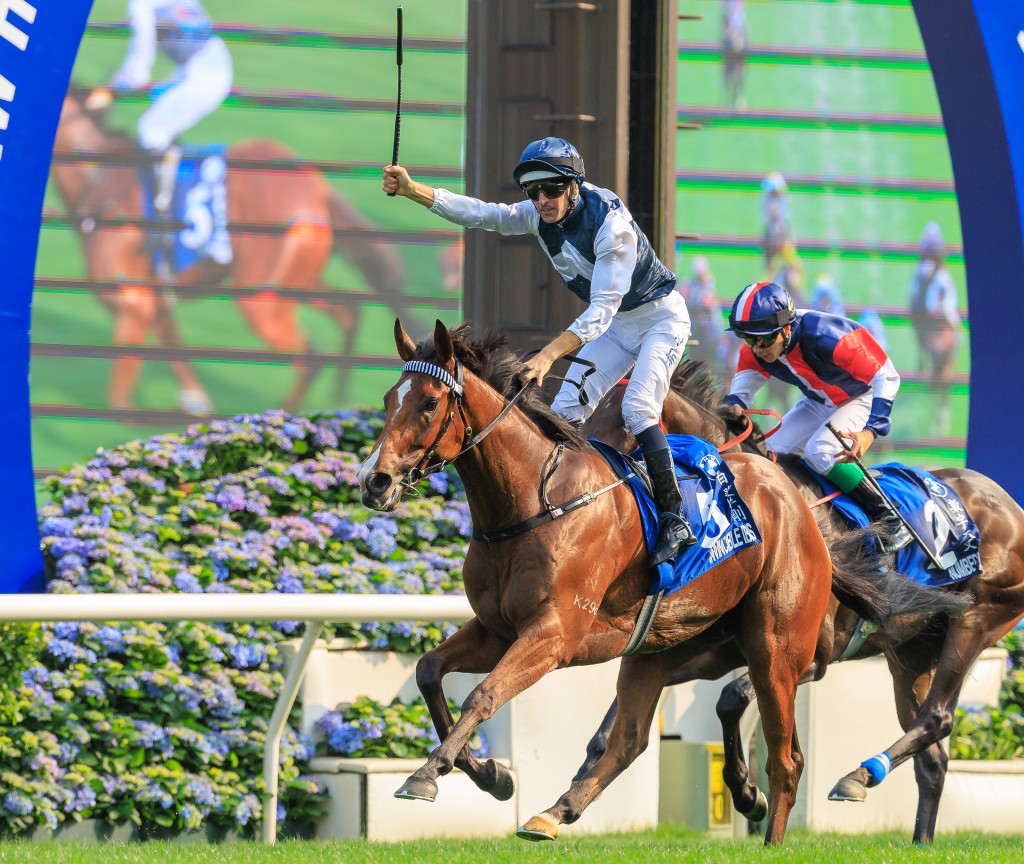
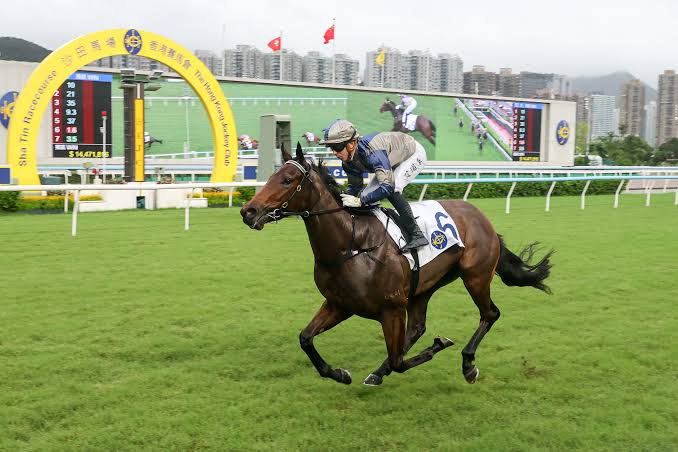
When he won his 17th consecutive race in the 2005 Queen's Silver Jubilee Cup, stretching his brilliance to 1400 metres, caller David Raphael said.
"I'll never see anything like this again in my life," Raphael said as Silent Witness powered through the line.
More than twenty years later, despite Ka Ying Rising's approach to the famous Hong Kong record, Raphael hasn't softened that view.
"Horses didn't put runs together like he did," he rold the Idol Horse Podcast. "When he got to 16, we were talking about Ribot, Citation, Cigar — horses from generations before. Silent Witness wasn't just winning races. He was doing something we hadn't seen in our lifetime."
It wasn't just the streak. It was the certainty. He wasn't surviving close calls or exploiting weak fields. He was imposing himself — bounding from the gates, rolling at speed, quickening again, leaving rivals visibly spent.
"He'd run the times and then quicken," Raphael says. "That's what made him different."
Physically, Silent Witness was powerful and imposing. When asked to stretch to seven furlongs — as he was for his 17th start — he did so without surrendering authority.
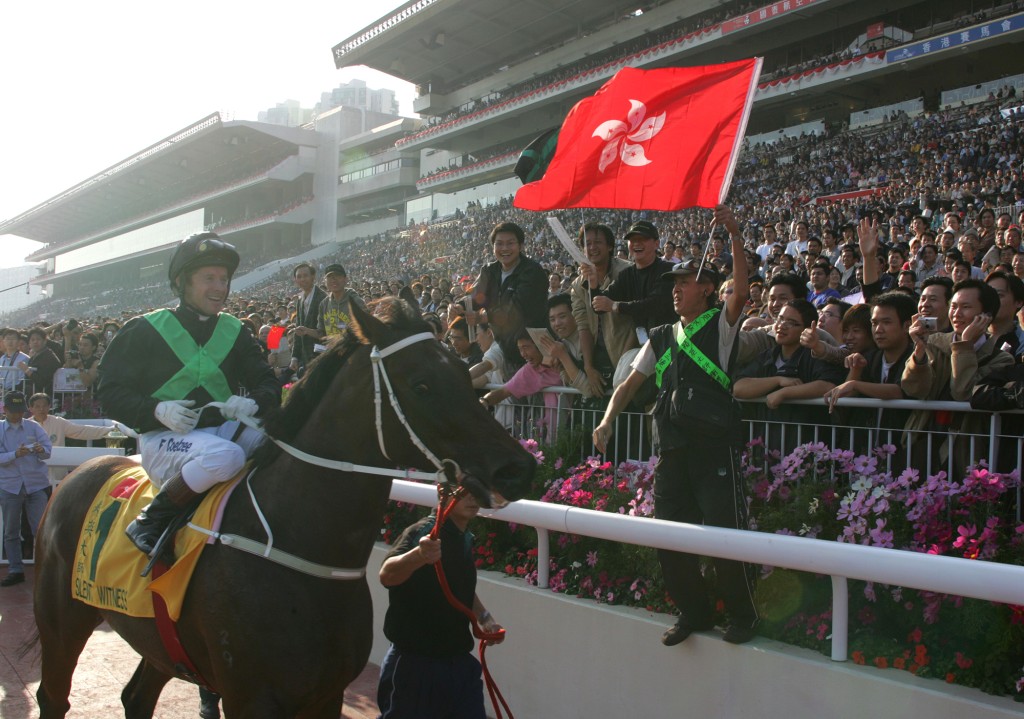
That Silver Jubilee Cup win remains one of the defining images of Hong Kong racing: Silent Witness on the speed, relaxed, rolling, and then simply extending — as if distance itself was optional.
"Every time he went out, we knew he was unbeatable," Raphael recalls. "But on the day, there's always that doubt. Can he run the trip? Will something go wrong? That uncertainty is what makes watching a great horse compelling."
Silent Witness arrived in Hong Kong without fanfare. Australian-bred, modestly priced, gelded early, by a sire who promised speed but not immortality. What followed transformed not just a career, but a racing jurisdiction.
At a time when Hong Kong racing was pushing to assert itself globally, Silent Witness became its most persuasive argument. He didn't need to travel to announce his greatness. The world came to Sha Tin. International rankings confirmed his dominance. Overseas newspapers carried his name. Racing publications in the United States put him on their front pages — a rarity for a horse who never raced there.
The recognition reached beyond sport. In 2004, TIME Magazine named Silent Witness one of its 100 Most Important People — a remarkable marker for a racehorse competing thousands of miles from racing's traditional power centres.
TIME's Asia Editor Zoher Abdoolcarim later wrote: "His exploits even lifted Hong Kong's morale when the city badly needed a boost. In 2003, the first year he was named the world's top-ranked sprinter, the territory was reeling from SARS, economic uncertainty and political tensions. Silent Witness gave Hong Kongers a sense of pride, and reminded them of their can-do spirit. He was Hong Kong's Seabiscuit."
Within Hong Kong, his impact was immediate and tangible. Sha Tin attendances surged whenever he ran. Flags were waved. Owner Archie da Silva cried. Trainer Tony Cruz described him as "a gift from God." In a city navigating uncertainty, Silent Witness offered the sure thing Hong Kong's racing public craves.
Raphael believes timing played a role.
"This was before social media," he says. "If Silent Witness was racing now, he would have broken the internet. Instead, he was on the front page of every newspaper, every day. That tells you how big he was."
His eventual defeat only sharpened the legend. When Cruz elected to stretch Silent Witness to a mile in the Champions Mile, debate raged — quietly then, loudly in hindsight. He was beaten by Bullish Luck, another high-class horse and his stablemate, in a race that remains one of Hong Kong racing's most discussed moments.
"Social media would have gone to war," Raphael laughs. "Half saying, 'Why do it?' Half saying, 'You should've done it earlier.' But that decision showed how much belief there was in him."
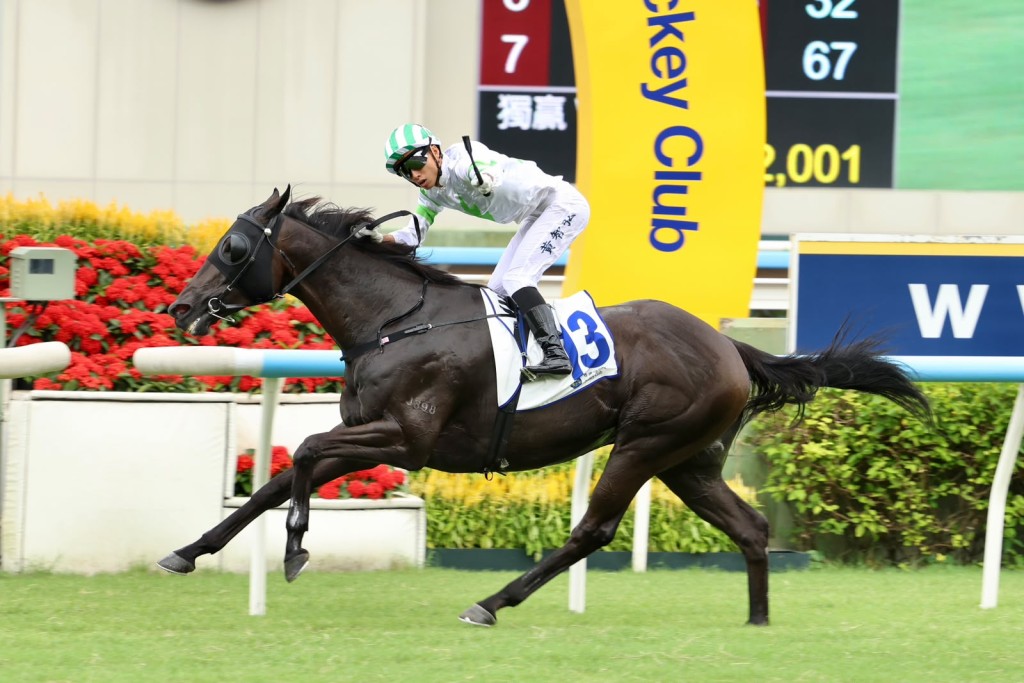
Now, as Ka Ying Rising approaches the same numerical milestone — 17 straight wins — comparison is unavoidable. Raphael understands it, but resists reducing greatness to arithmetic.
"He might match the streak," he says. "But Silent Witness had that buzz for a dozen runs. That's the difference. That's magnitude."
Records can be equalled. Streaks can be matched. But — without diminishing anything Ka Ying Rising has achieved or will achieve — Silent Witness stands alone culturally.
There is a reason he remains the only horse honoured with a statue at Sha Tin. It isn't for a number on a page. It's for what he made people feel — and the quiet certainty, even now, that they were witnessing something that wouldn't come around again.