Read More
Financial Secretary Paul Chan Mo-po on Wednesday outlined a series of initiatives to nurture emerging industries, including the launch of a HK$10 billion Innovation and Technology Industry Oriented Fund expected to begin operations within the year.
ADVERTISEMENT
SCROLL TO CONTINUE WITH CONTENT
Chan said the government is in the process of selecting fund managers for the new fund, which is designed to channel market capital into strategic emerging sectors such as life and health technology, artificial intelligence, robotics and future industries.
The government will also arrange a timely capital injection into the Hong Kong Investment Corporation to further promote innovation and technology development and foster industrial clustering.
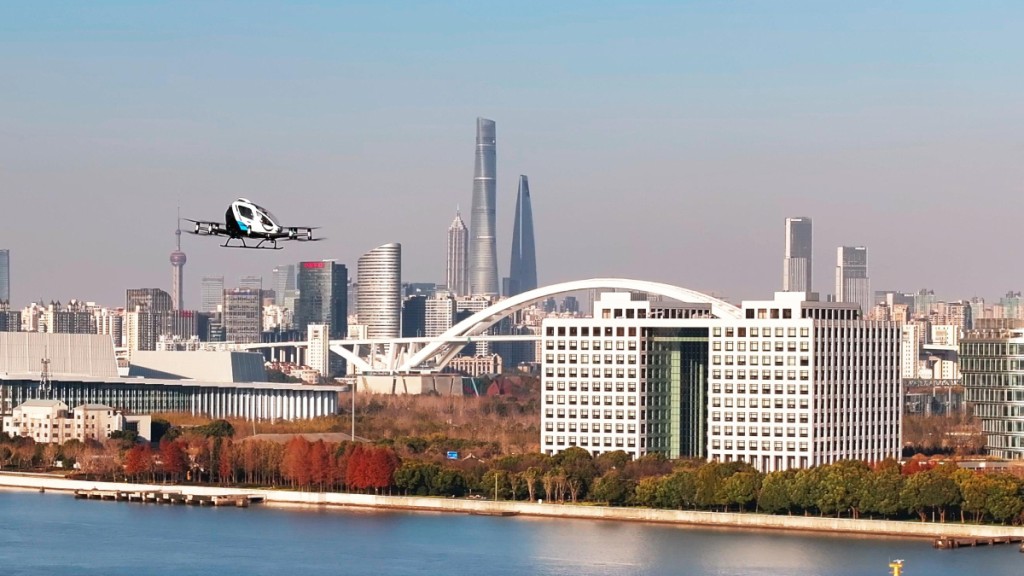
In the low-altitude economy, trial projects will be rolled out in phases starting in the first half of this year. These include an unmanned aircraft system traffic management system, multi-user shared platforms, cross-boundary routes and passenger-carrying flying aircraft. The government is also actively exploring with mainland authorities the commencement of cross-boundary trial flights for low-altitude logistics.
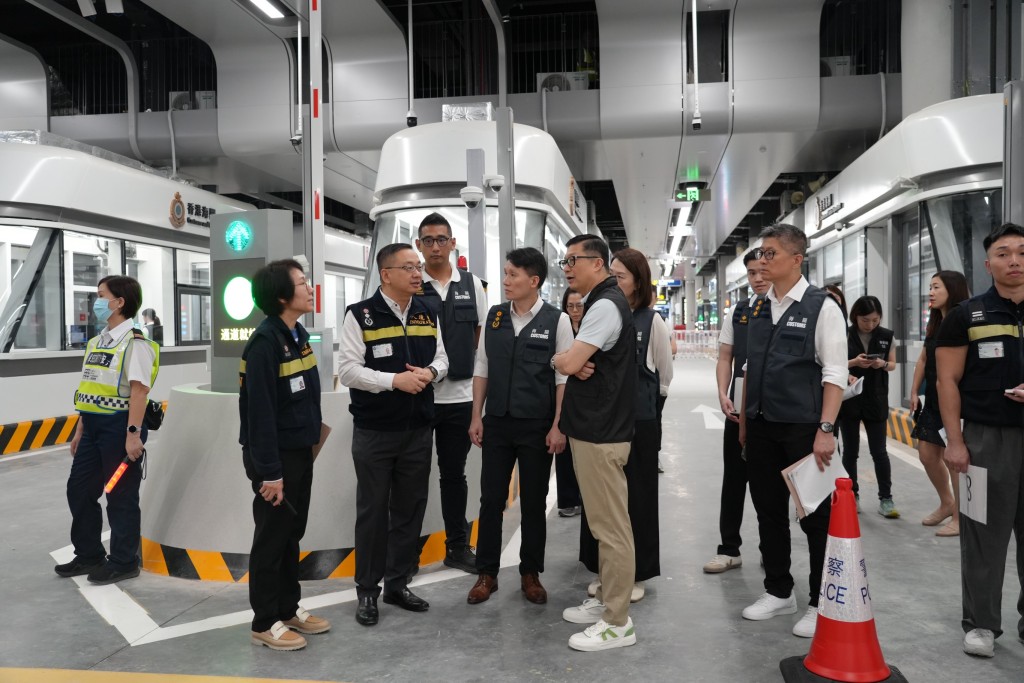
On autonomous driving, Chan said the Airportcity Link autonomous transport system is scheduled to begin operation this year and will become Hong Kong’s first commercially operated autonomous transport project.
Turning to aerospace development, Chan said Hong Kong can serve as a platform to connect mainland commercial aerospace enterprises with global markets. The Office for Attracting Strategic Enterprises (OASES) will identify suitable aerospace companies to establish a presence in Hong Kong. The government has also requested the Hong Kong Exchanges and Clearing to review relevant listing requirements in order to attract more aerospace enterprises to list in the city.
In the field of new materials, Chan said research and development in Hong Kong is moving toward commercialization with international potential. Two local start-ups are expected to establish production lines at EcoPark in Tuen Mun in the middle of this year, converting local recyclables into core materials for electricity-free cooling products and acoustic metamaterial products.
The government is also expediting the development of the third InnoHK research cluster, which will focus on new materials, advanced manufacturing, energy and sustainable development. R&D centers under this cluster will be established in phases in the first half of the year.
Chan also highlighted the strategic importance of RISC-V, an open-source chip architecture regarded as the foundation of a new generation of semiconductors. Its open-source nature, he said, has overcome the limitations of traditional closed technologies and is driving a global transformation in chip design and applications.
The Hong Kong Investment Corporation has been promoting research and industrialization of RISC-V technology through strategic investments and partnerships with leading enterprises. One key initiative is the establishment of the Hong Kong RISC-V Alliance, which aims to bring together industry, academia and the investment sector to foster cross-industry cooperation within the Greater Bay Area and internationally.