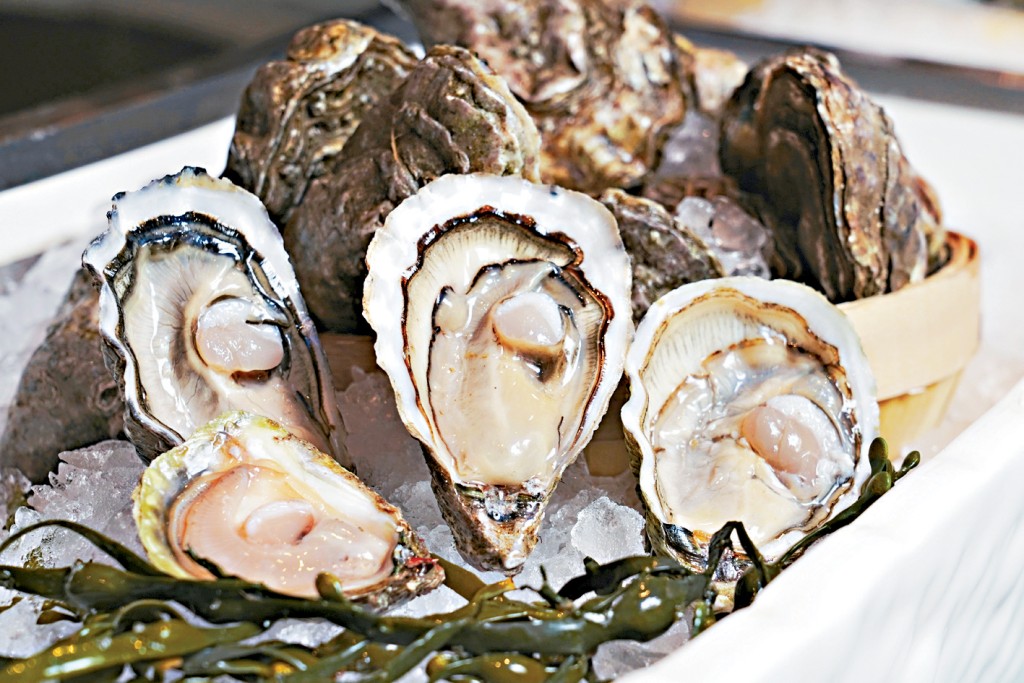
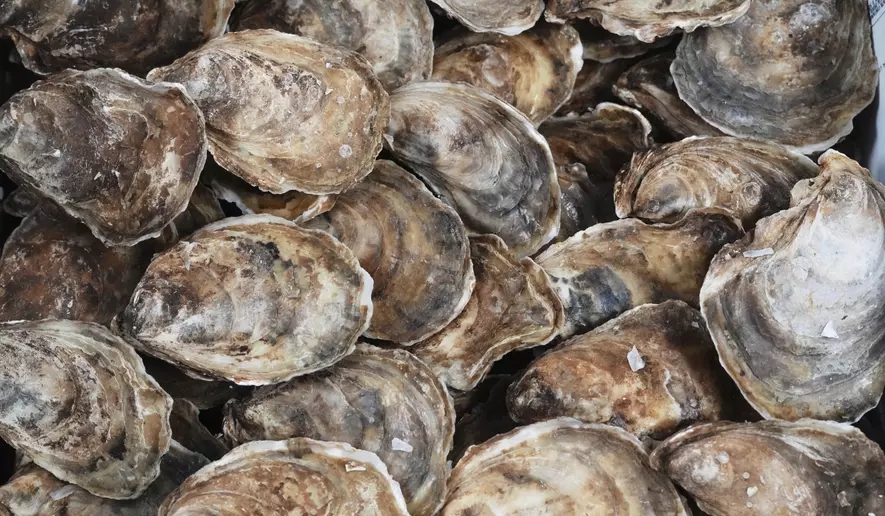
The Centre for Food Safety has instructed the food trade to stop selling raw oysters sourced from a South Korean supplier and two local companies after 21 suspected food poisoning cases were linked to their products.
Investigations revealed that 10 cases involved the consumption of raw oysters supplied by Seojun Mulsan Co., Ltd. in South Korea, while 11 cases involved individuals who had eaten oysters from the food factory Jeton International Foods and 88 Investment Holdings Limited.
The CFS has ordered the trade and suppliers to suspend the import, sale, and supply of the implicated oysters. Probes are ongoing into the remaining cases involving oysters from other countries.
The Centre for Health Protection has recorded 37 cases of food poisoning affecting 115 people from January 18 to February 9. Among these, 33 cases involving 101 people were linked to norovirus. In addition, six people fell ill after consuming soy sauce marinated crab.
Over the past five days, the Food and Environmental Hygiene Department has inspected about 430 food premises selling raw oysters across the city, providing immediate advice on food storage, handling, and hygiene conditions. Inspections will continue to ensure compliance with licensing conditions and hygiene standards.
Some restaurant operators noted that shops selling raw oysters must obtain two permits: one for a shellfish and another for oysters to be eaten in a raw state (raw oysters) from the Food and Environmental Hygiene Department.
After submitting the applications, officers will inspect the premises to ensure that hygiene conditions and refrigerator temperatures meet requirements, with random sample checks conducted regularly — about every one to three months.
However, they noted that some operators may supply fresh seafood without the necessary licences to avoid the arduous application process.
Those selling soy sauce marinated crab are also required to apply for relevant permits for selling shellfish, sushi and sashimi.
Industry insiders said many Korean restaurants are promoting unlimited soy-marinated seafood without the required licences, criticizing the lack of oversight over such irregularities.
They urged authorities to enhance enforcement and inspections, while raising public awareness to safeguard public health.