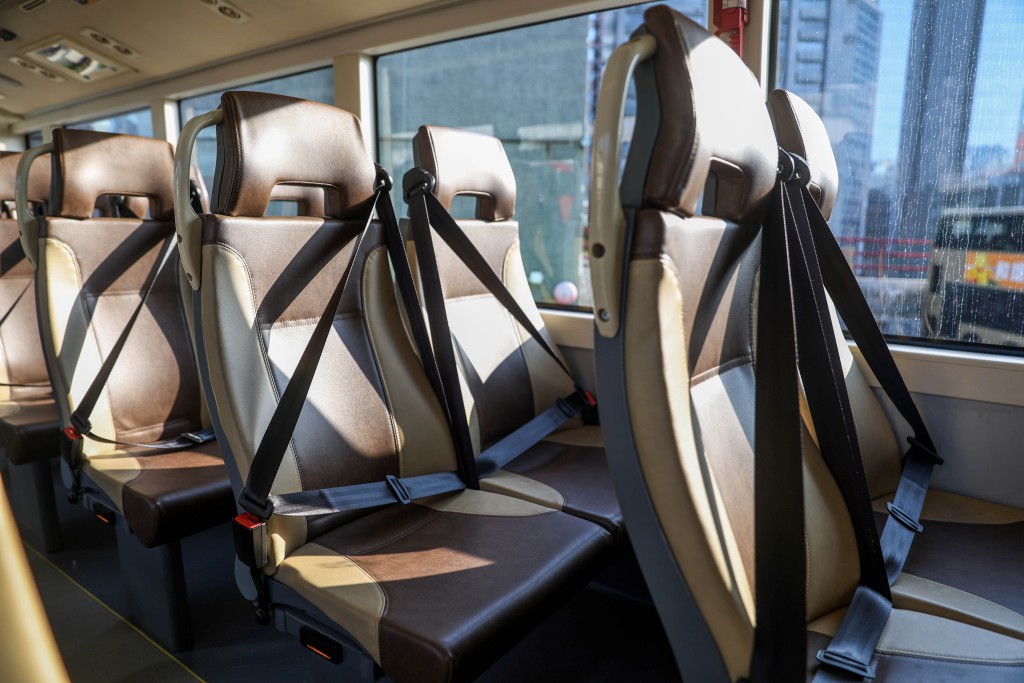
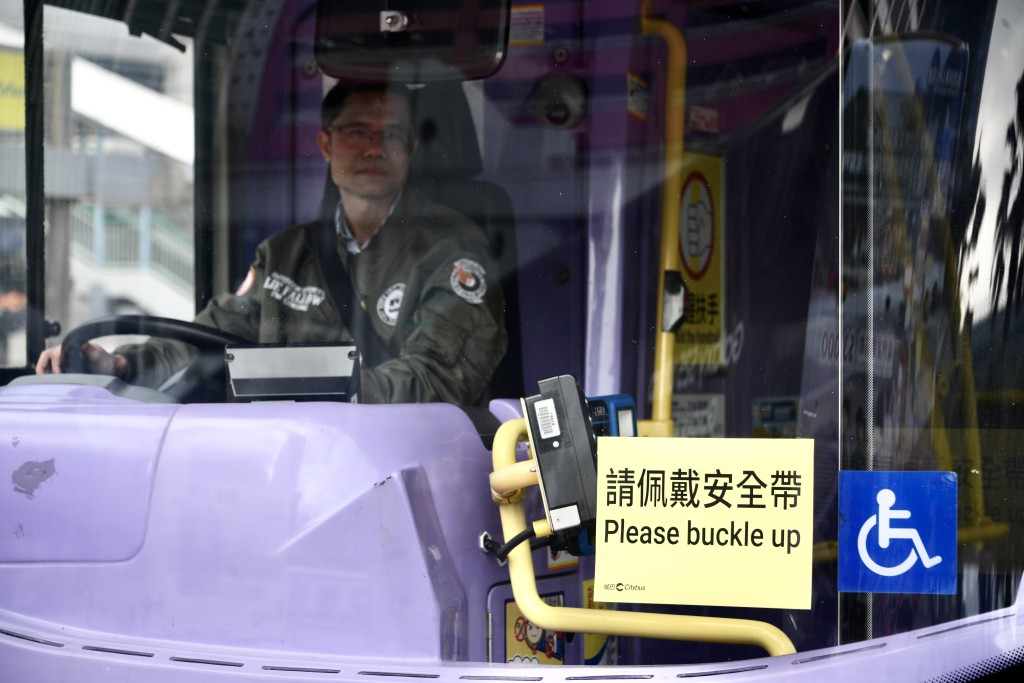
Amid controversies over the mandatory seatbelt rule for public transport and commercial vehicles, the Transport Department acknowledged the time needed for public adaptation and emphasized efforts to enhance education, particularly for the elderly, on using seatbelts.
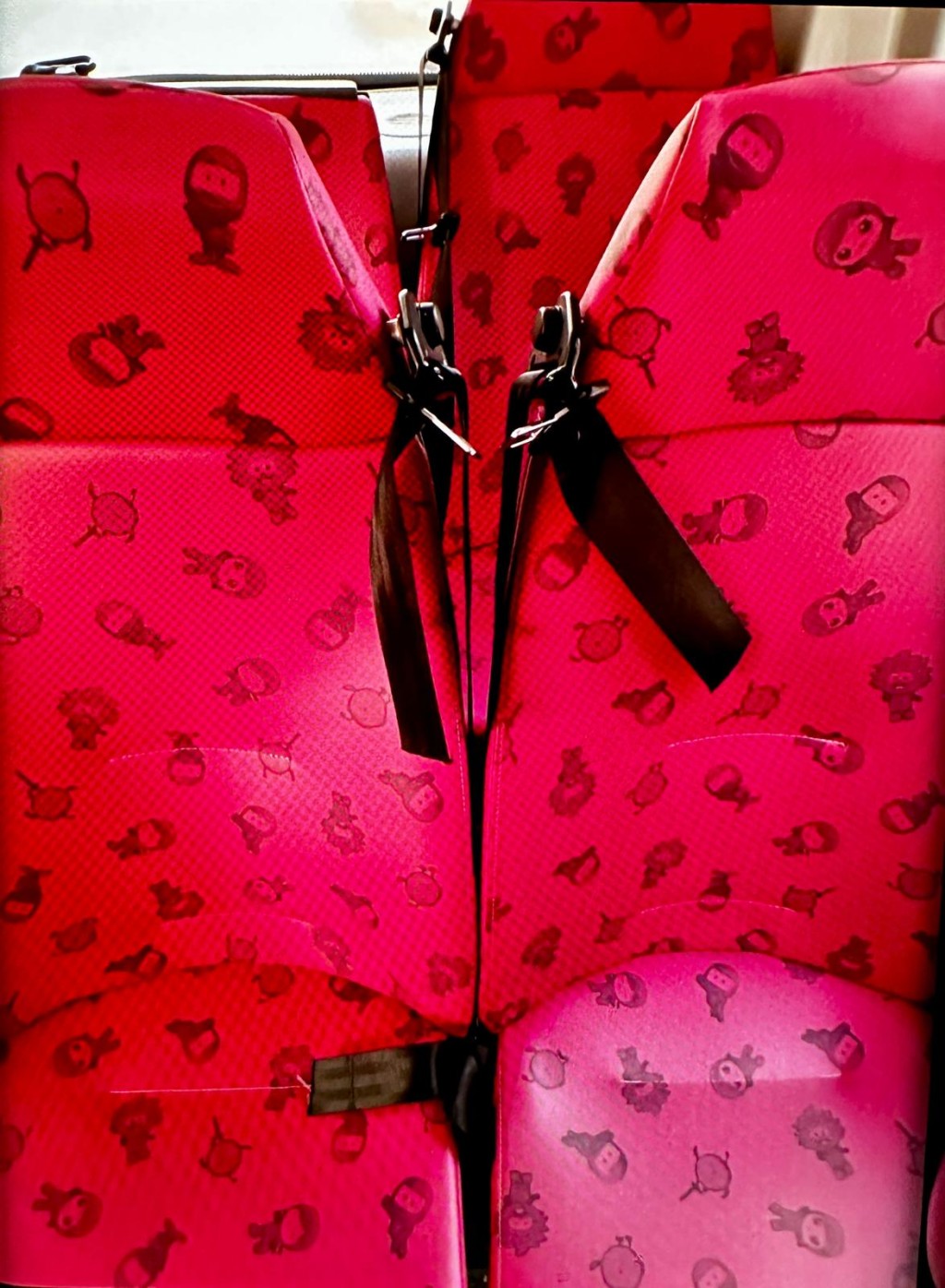
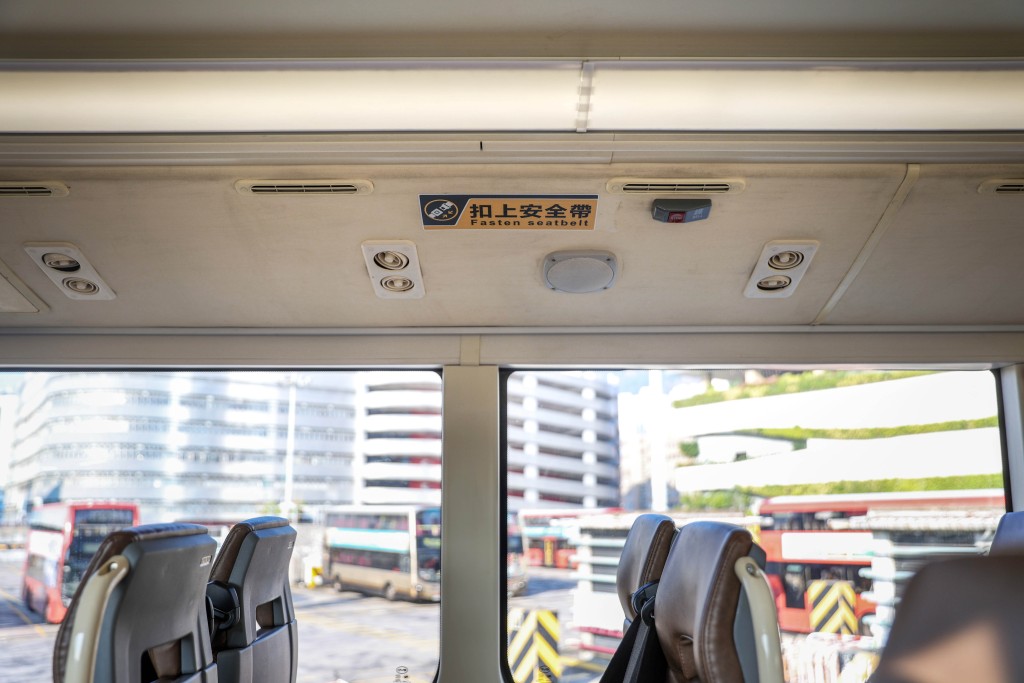
Speaking on a radio program on Thursday, the department’s Safety Director Stella Lee Yim-fong noted that some citizens have raised concerns about the cleanliness of seatbelts and difficulties in their use. She said the department has instructed bus operators to increase disinfection, cleaning, and condition checks of seatbelts to address these worries.
She added that both authorities and bus companies will strengthen public education, particularly to teach the elderly how to use seatbelts, to help cultivate this habit among citizens.
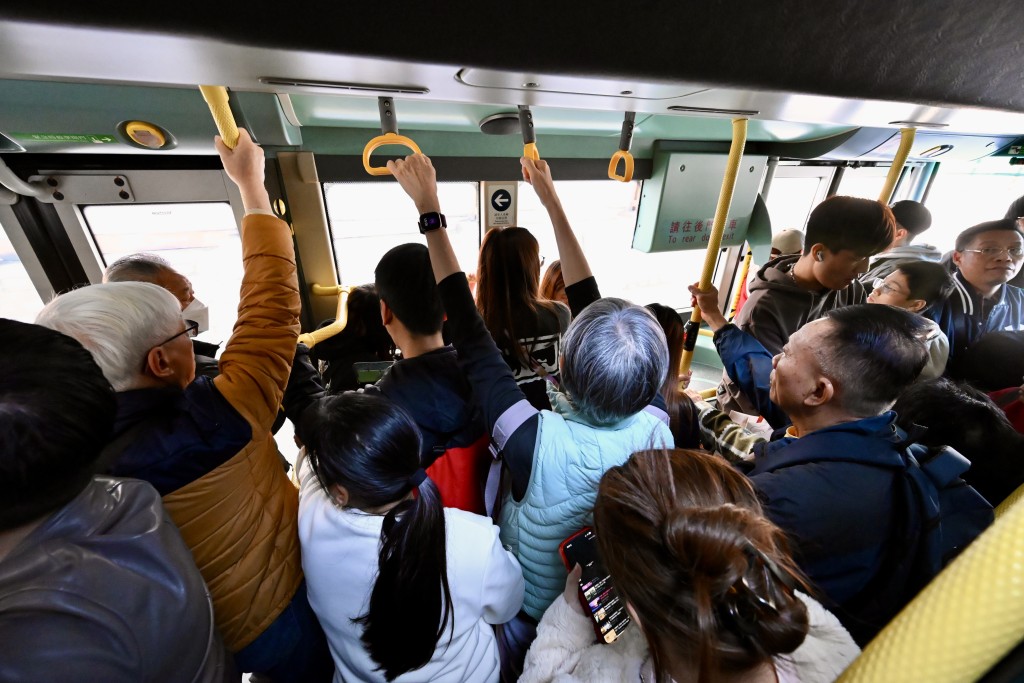
Lee reiterated that passengers remain free to choose between seated and standing positions, noting that the authorities will continuously monitor the implementation and consider extending the educational period if necessary. She urged the public to comply with the law and not to damage seatbelts.
When asked about suggestions to replace three-point seatbelts with simpler two-point lap belts, Lee did not provide a direct response, stating that they will continue to review the issue with the bus companies.
She emphasized the need for seatbelts on all bus routes, given Hong Kong’s numerous mountain and steep roads, as well as some short-haul services operating on highways.
The mandatory seatbelt law stems from the Independent Review Committee on Hong Kong’s Franchised Bus Service, set up after the 2018 Tai Po bus accident. The report proposed installing seatbelts on all operating buses but did not conclude on mandating their use.
Committee member Lo Hong-kam said in the same program that the committee believed passengers would use seatbelts once installed, hence the report made no mention of compulsory use.
Lo pointed out that around 4 million passengers ride buses daily in Hong Kong, significantly higher than in other areas. Even minor accidents could cause mass injuries, and bus accidents occur not only on highways but can also happen on regular roads, especially during lane changes and bus stops.
Citing police data, he noted that some 515 bus passengers were injured for not wearing seatbelts in 2017, with the actual number being possibly higher. He believed that seatbelt use brings widespread benefits and legislation is the most effective way to enforce it.
Lo described the Tai Po crash as a shocking incident that many struggle to believe could happen to them, expressing hope that the new law will help prevent similar accidents.
He added that the government allocated HK$500 million after the crash to assist franchised buses in installing safety equipment, with the ultimate goal of full compliance with seatbelt use –otherwise, the installation costs would be wasted.
Lo also emphasized that three-point seatbelts are undoubtedly safer than two-point ones. He stressed that passengers must wear seatbelts in any case, and it is better to take the extra step to use three-point ones.