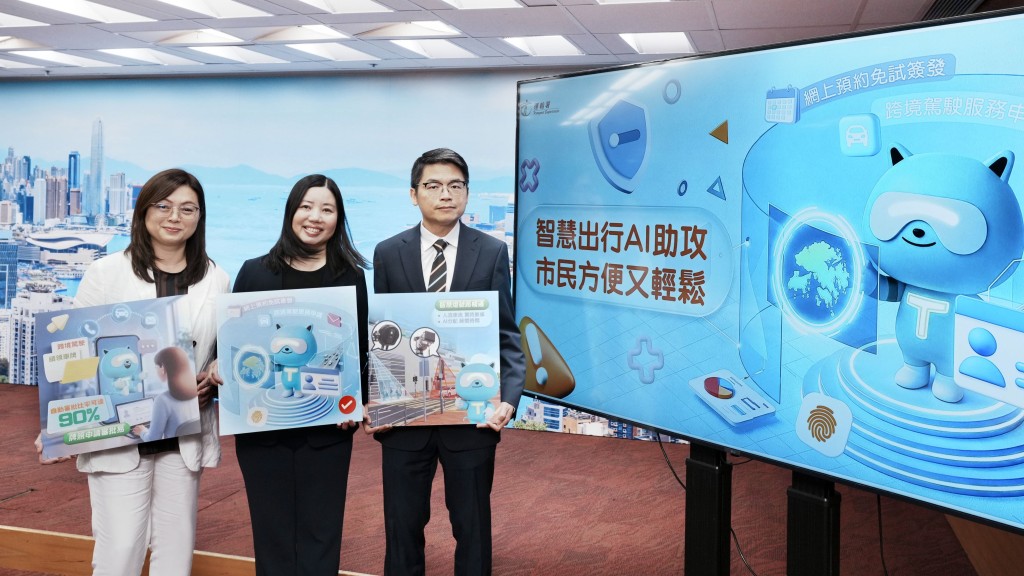
The Transport Department is extending the Real-time Adaptive Traffic Signal System to 50 suitable junctions in Hong Kong starting in 2026 to optimize traffic flow following successful trials.
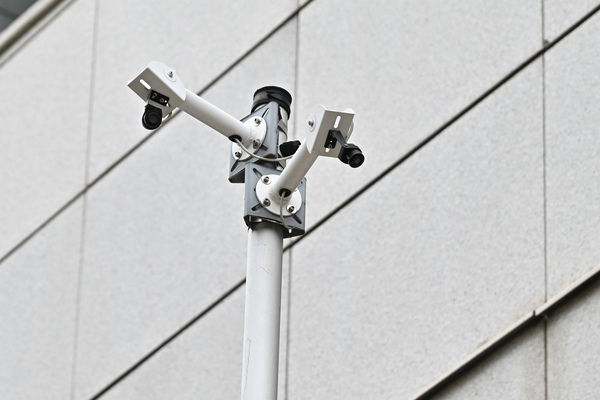
By installing sensors at junctions, the system uses artificial intelligence (AI) to analyze pedestrian and vehicle flows at different times and directions in real-time, calculating appropriate green light timings to balance the needs of road users and reduce congestion.
The system can adjust traffic signals based on actual conditions. For example, extending the pedestrian crossing signal duration and reallocating green time for vehicles after pedestrians crossed the road.
It also improves traffic efficiency, for instance, it allocates green light time based on vehicle flow. If certain roads have no vehicles passing through, the system can skip the green light for that road, therefore reducing waiting times for vehicles using other routes.
TD has rolled out the trials at eight linked signalised junctions in Tung Chung in 2022, where the average delay or vehicles to cross the junctions has reduced by about 5 to 10 percent.
For example, when the sensors identify a surge in traffic from Kowloon towards Tung Chung Town Centre or Hong Kong International Airport, the system will link up relevant junctions and maintain green traffic lights to speed up traffic flow.
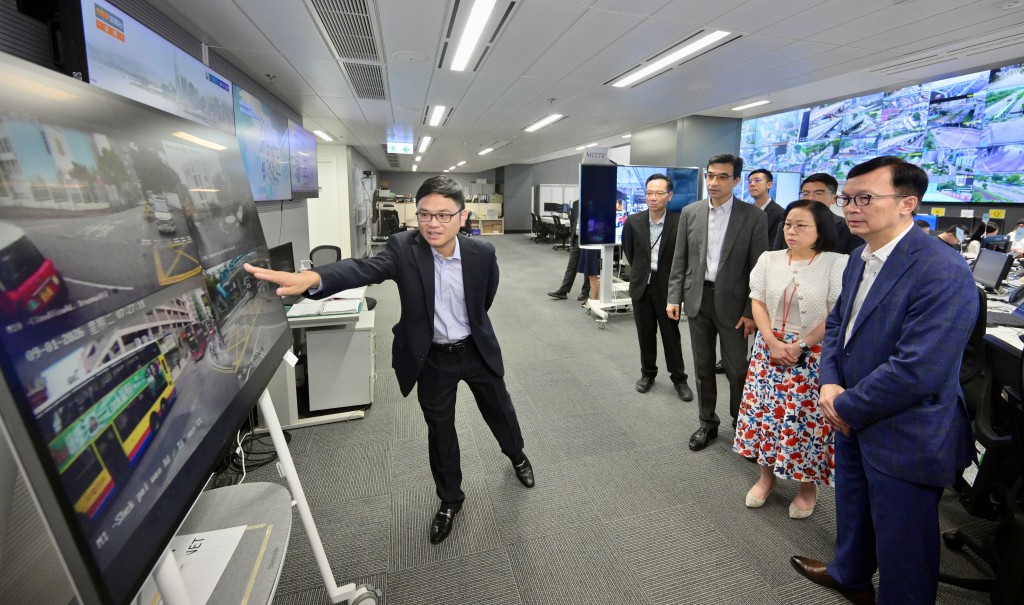
Gordon Kwok Ka-chun, Chief Engineer (Traffic Control), said TD will pilot the system at other busy junctions such as those in Wan Chai and Causeway Bay following a successful trial.
TD will also install the system in about 50 suitable independent signalised junctions across the city in phases from 2026, with plans to be completed in 2027, Kwok said.
Meanwhile, TD said it has been engaging with local innovation and technology companies, academics and Mainland enterprises.
It has also established a testing platform in the Tung Chung trial to allow different companies to test their algorithms and technologies, hoping to promote the city’s development of smart mobility.