The primary role of aerial ladder trucks is to spray water on exterior walls to prevent the fire from spreading, and the high pressure jet might also injure people awaiting rescue inside the unit, said former Fire Services Department Assistant Director (New Territories South) Ricky Leung Wai-lok.
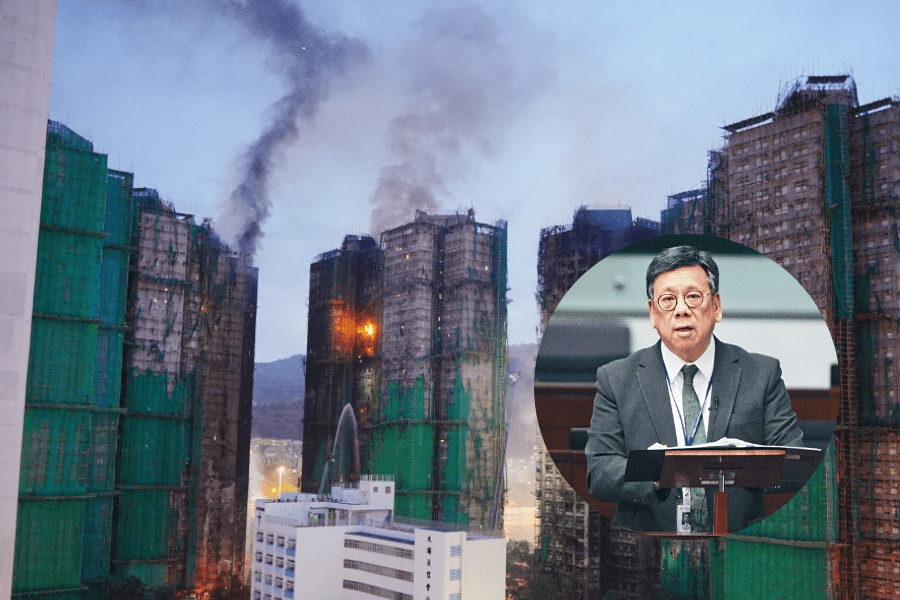
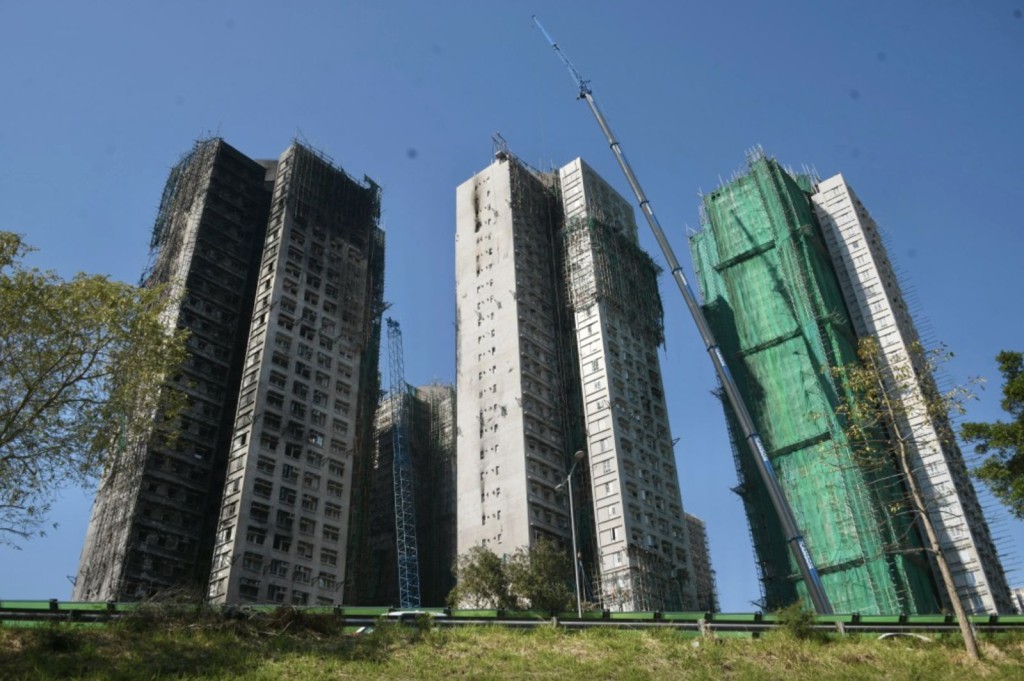
His remarks came amid a surge of comments on social media recently questioning firefighting operations during the Wang Fuk Court fire, with many asking why aerial ladders often spray water from the outside onto the exterior walls of units that are not on fire.
He said that if firefighters rashly direct water from an aerial ladder into a flat, the high-pressure jet could also injure people awaiting rescue and cause severe burns or even be fatal.
"The high-pressure jet can discharge 2,000 liters of water per minute, which could easily knock down an adult," Leung explained, noting that steam would further reduce visibility inside a unit.
The 33-year fire veteran pointed out emergency access routes must be six meters wide, with sufficient load-bearing capacity of weighing up to 30 tonnes and have adequate space for the aerial ladder to deploy its outriggers before firefighting.
He also said bamboo poles falling from the building during the Wang Fuk Court fire might have prevented aerial ladder trucks from parking in the most strategic positions to conduct exterior water streams.
He said crews must advance floor by floor from the bottom up, moving to higher floors only after the fire on each level is under control.
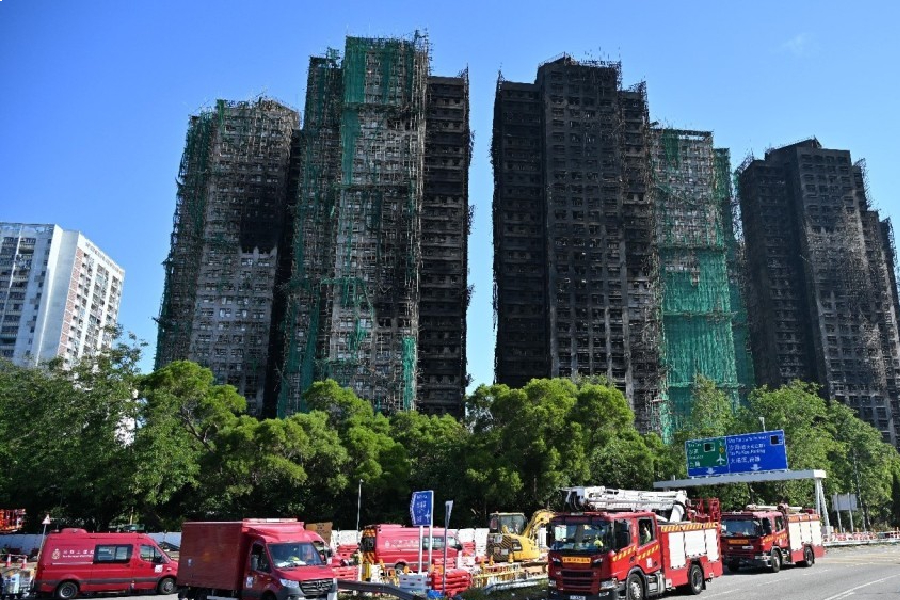
He said nearly 600 firefighters had been deployed to the scene – about 90 per affected building – believing there was ample manpower and equipment on site to carry out firefighting and rescue operations.
However, as the fire temperatures at the Wang Fuk Court Fire exceeded 500 degrees, Leung believed even with professional gear, firefighters will not be able to withstand such intense heat for a long time as they are ultimately only “flesh and blood.”
Leung also pointed out there are differences between mainland rescue teams and Hong Kong’s Fire Services in rescue procedures and equipment compatibility.
“Firegrounds are often dark and hazardous. Having to quickly familiarize with different tools and operate equipment of different standards, as well as fire service installations systems, can affect firefighting efficiency and even create additional risks,” he said.