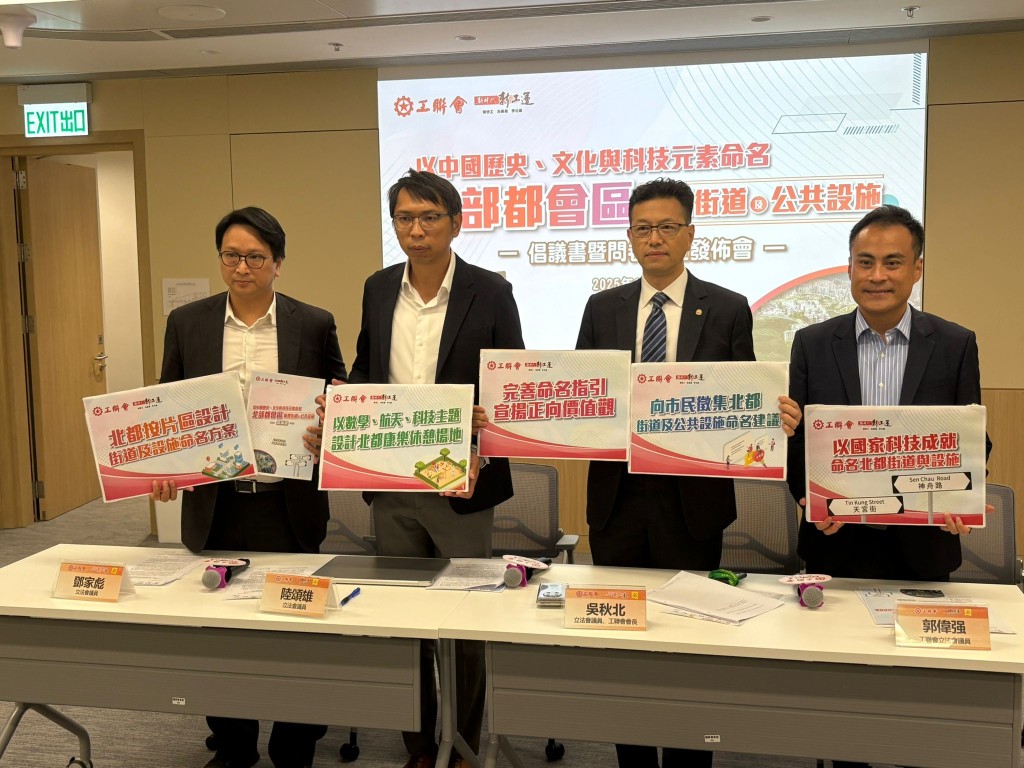
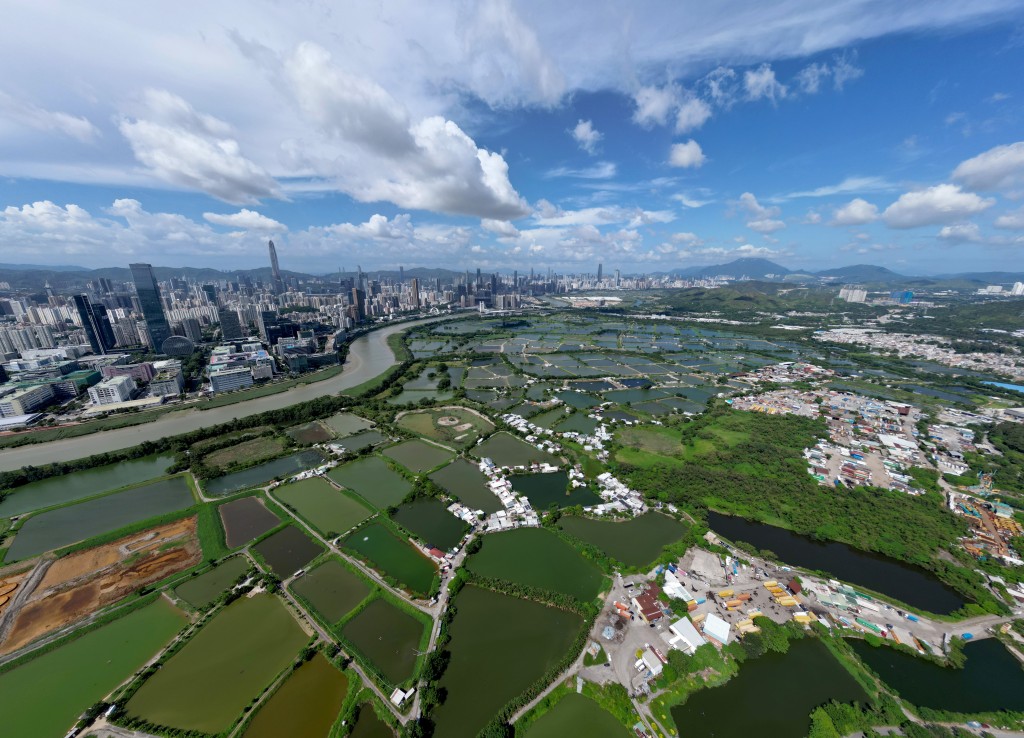
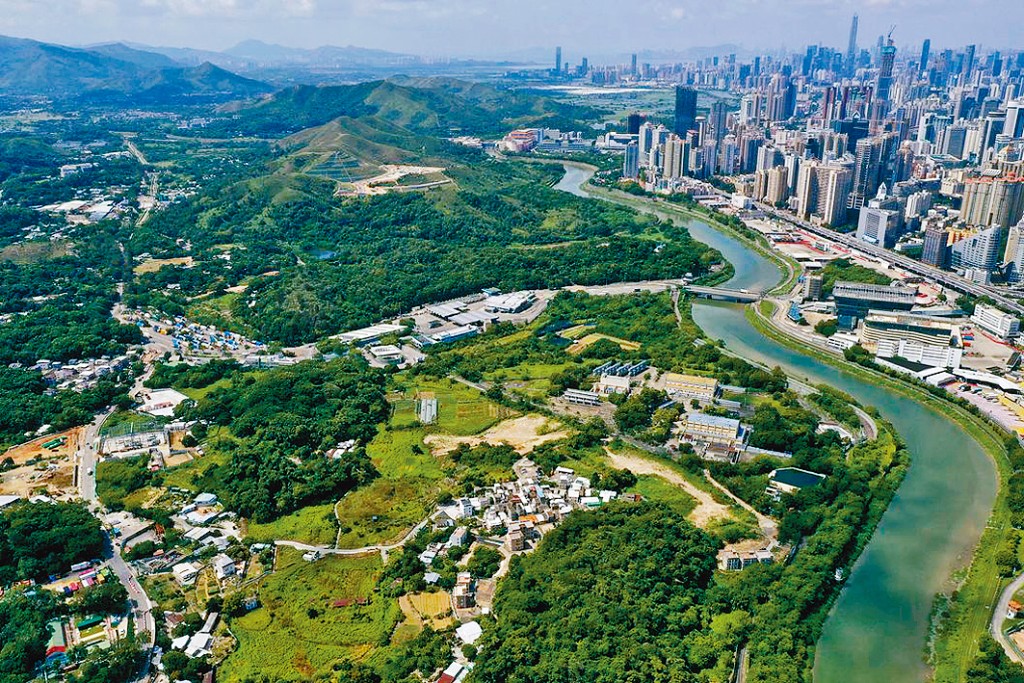
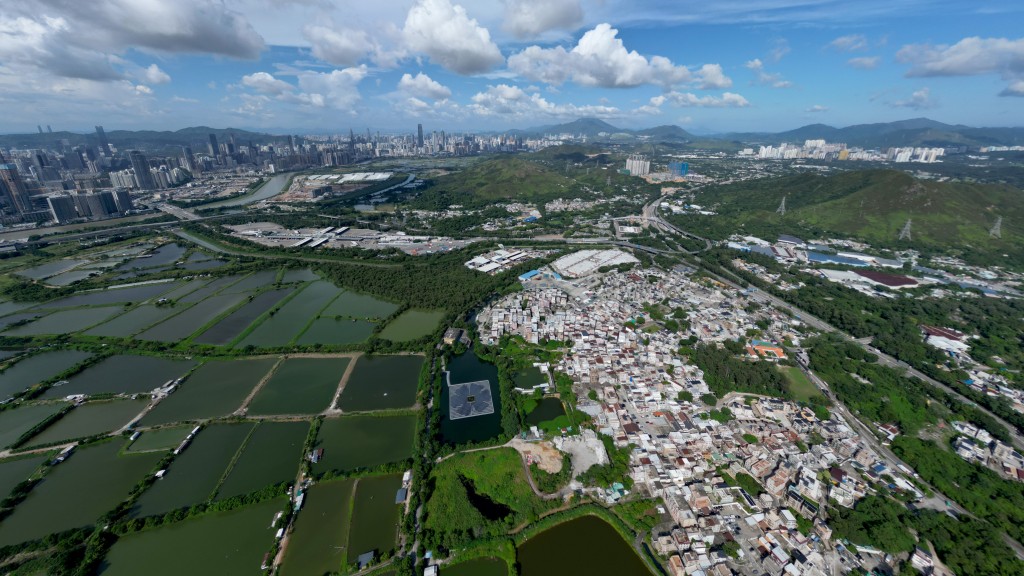
The naming of streets and public facilities in the Northern Metropolis could incorporate elements from Chinese history and culture to help strengthen citizens’ sense of national identity, according to a survey conducted by the Hong Kong Federation of Trade Unions (HKFTU).
At a press conference on Wednesday, the union said the survey, carried out between August and September, found that more than 70 percent of the 327 respondents supported the inclusion of historical and cultural elements in the future development of the Northern Metropolis.
Respondents believed such naming could enhance residents’ national identity, it said.
HKFTU president Stanley Ng Chau-pei said the findings reflected growing public interest in the development of the metropolis and expectations for positive social impact through street and facility naming.
Ng added that the names of streets and public amenities carry not only practical functions but also embody historical memories and cultural identity.
“They hold significant educational and promotional value, which warrants greater government attention,” he said.
When asked for comment, union member Bill Tang Ka-piu said not every street needs a complex name. He cited the Civil Engineering and Development Department’s comprehensive naming scheme for the Kai Tak Development Area as a potential model for the Northern Metropolis.
Meanwhile, lawmaker Kwok Wai-keung suggested naming streets after China’s scientific achievements and cultural symbols, such as “Tiangong” (China’s space station), “Shenzhou” (spacecraft), “Beidou” (satellite navigation system), and “Jiaolong” (the mythical dragon said to control rain and floods).
Lawmaker Michael Luk Chung-hung said the government should review the naming guidelines of relevant departments to differentiate between ordinary and major streets and facilities, and to establish a long-term policy framework.
He added that beyond basic practical principles, the government should introduce clear, value-driven guidelines to promote positive social messages through naming.
When asked about the practice of commemorating historical figures in street names, Ng said that individuals who had made significant contributions to national history should be considered.
Responding to concerns that the proposal might be part of a “decolonisation” effort, Ng clarified that the union’s recommendation for a government-maintained reference list of naming elements was not intended to replace existing names.
He stressed that street names primarily serve a geographic function, and historical names should be preserved.