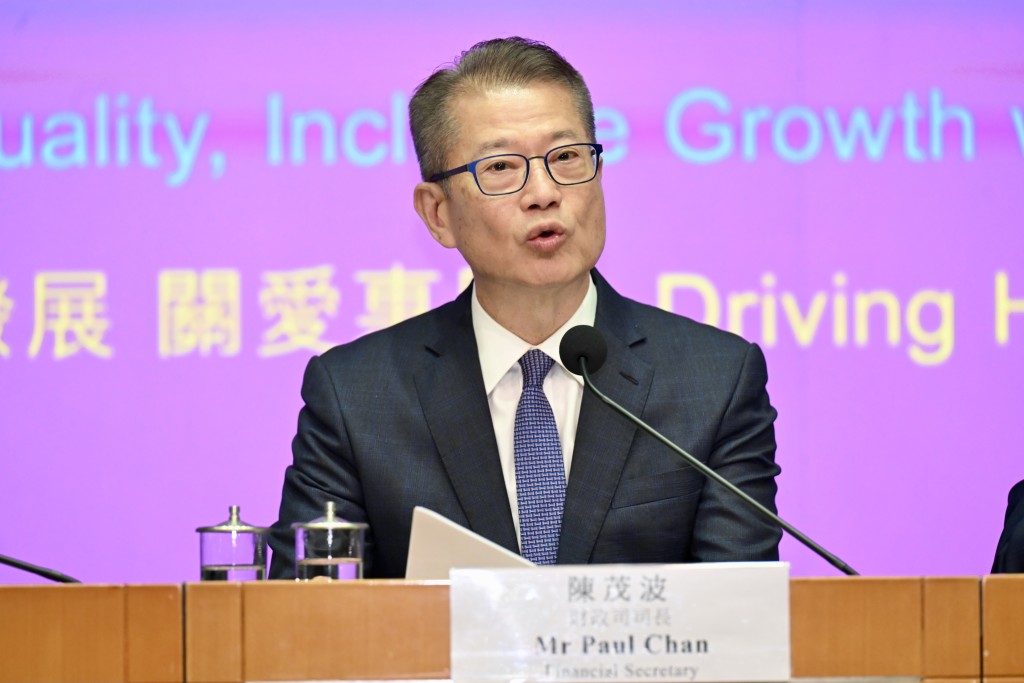
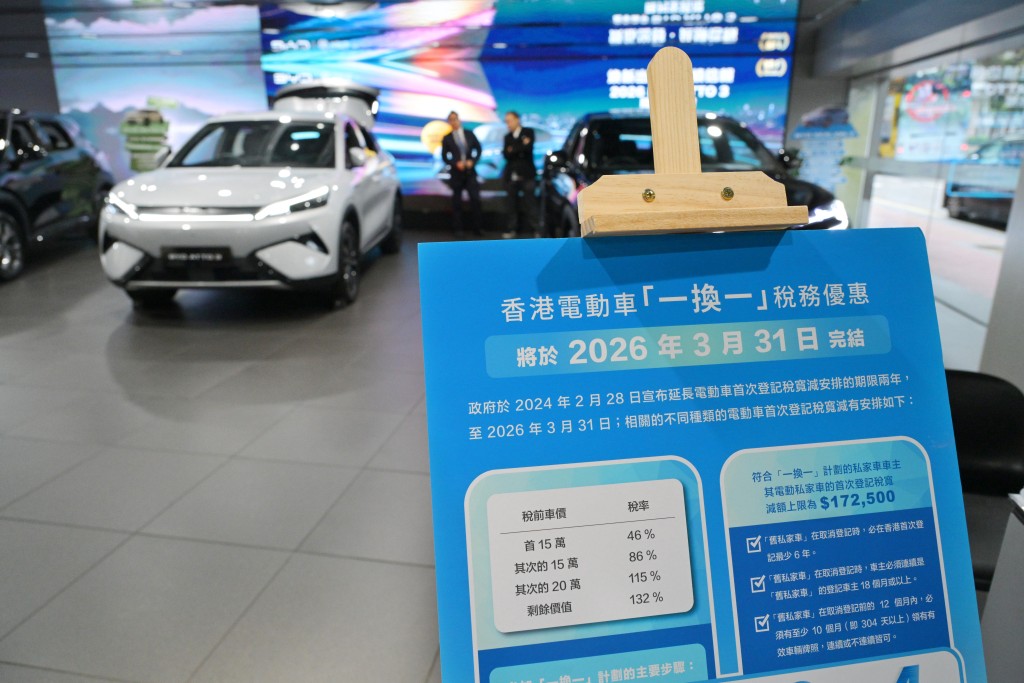
Financial Secretary Paul Chan Mo-po on Thursday defended the decision to end first registration tax concessions for electric vehicles (EVs), including the "One-for-One Replacement" Scheme, insisting the policy has successfully achieved its objectives.
Speaking on a radio program, the financial chief said the policy, which will expire at the end of March, has been in place for many years, during which EV technology has advanced significantly, and prices have become more competitive.
He pointed to the policy's success, noting that 70 percent of all newly registered private cars are now electric. As of the end of last year, the total number of EVs reached 149,000, accounting for approximately 16 percent of all vehicles in the city.
"The policy has already shown its effectiveness," Chan said, explaining the necessity for the government to withdraw its support and reallocate resources to other areas.
He added that the move does not change the government's determination to phase out fuel-powered vehicles by 2035 and that he remains confident in meeting the city's 2050 "dual carbon" targets.
The decision has drawn criticism and prompted a last-minute rush from buyers attempting to submit applications before the April 1 deadline.
One listener on the program, a taxi driver surnamed Lee, expressed strong dissatisfaction with the abrupt cancellation, stating that it greatly reduces the incentive for drivers like him to switch to electric vehicles.
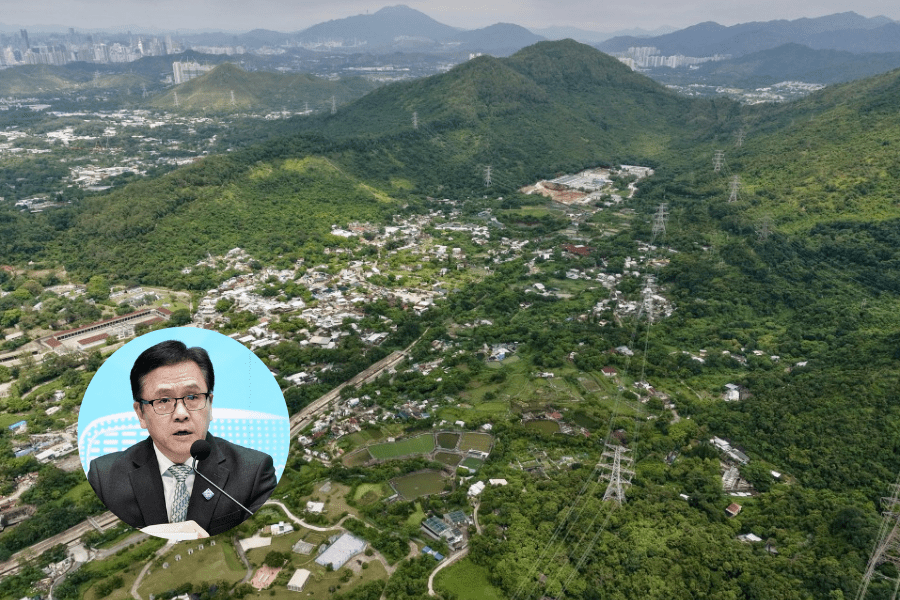
Separately, on the same program, Chan rejected assertions that the economic benefits of the Northern Metropolis will primarily accrue to Shenzhen, calling the view a "misunderstanding."
He argued that while the city's university research and development was commercialized in the mainland, allowing cities like Shenzhen to reap the benefits, the Northern Metropolis development will reverse this trend by encouraging companies to establish themselves in Hong Kong.
"The tax revenue and the job opportunities will be ours," Chan stated.