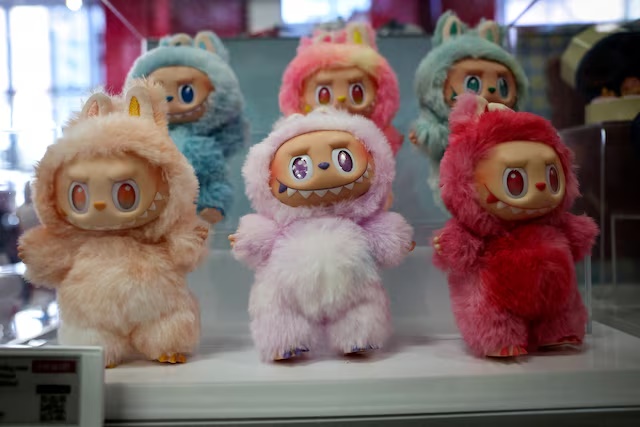
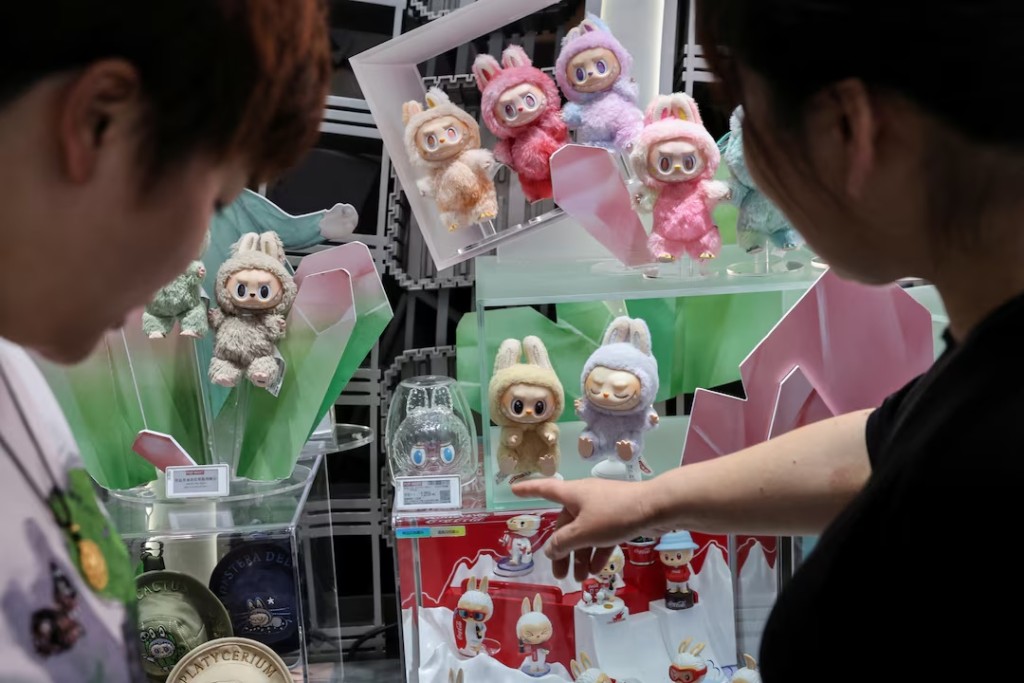
The recent phenomenon surrounding Labubu has ignited a considerable purchasing frenzy and has concurrently led to an upsurge in fraudulent activities. Numerous individuals have become victims of scams in which perpetrators offer inferior, inexpensive plush toys or counterfeit figurines falsely represented as Labubus.
In several instances, consumers have not received their ordered products at all. A number of aggrieved parties have congregated in online groups to expose these scammers.
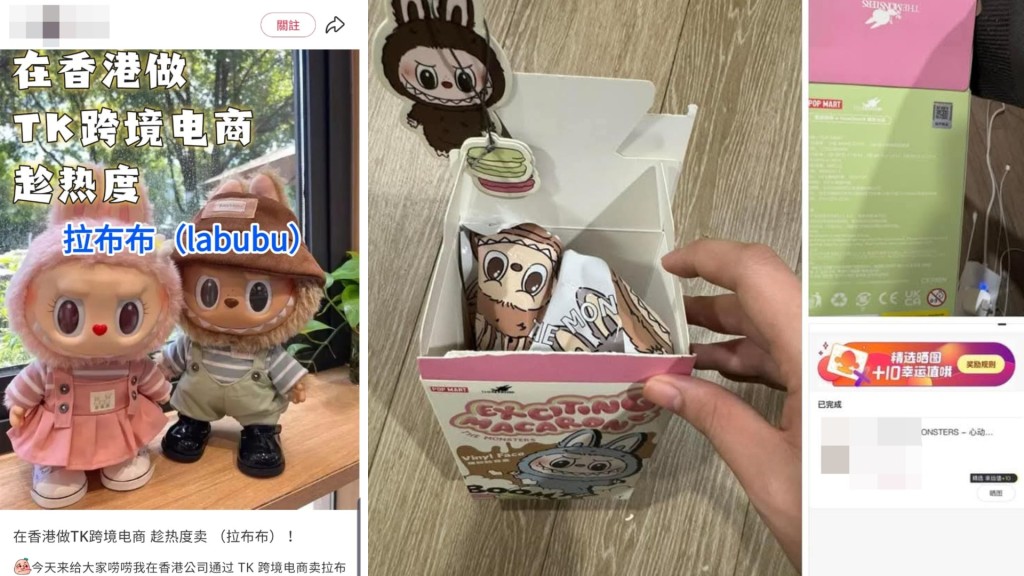
An investigation conducted by Sing Tao, a sister publication of The Standard, has revealed that purported potential buyers have inundated social media platforms with posts promoting "Labubu business opportunities."
However, these posts are designed to lure individuals into review brushing schemes, wherein victims are misled into believing they are earning commissions.
Brushing schemes constitute a particular type of e-commerce fraud utilized to generate fake sales and reviews for the products. Sellers typically dispatch unordered items to individuals for them to post positive online reviews utilizing the names of the recipients.
Cross-border scam tactics
Recently, the mainland social media platform Xiaohongshu has seen a boom in posts promoting "high-profit Labubu businesses" or "cross-border e-commerce jobs."
One that stood out was a post claiming to use TikTok Shop to facilitate cross-border e-commerce in Hong Kong by selling Labubus. These posts were revealed to be part of a larger brushing scheme.
The scammers lure victims by advertising on platforms like Xiaohongshu and WeChat, claiming that selling Labubu on TikTok Shop can help garner massive profits.
After initial contact, victims are directed to a live-streamed seminar where a self-proclaimed TikTok Shop chief recruitment officer promotes the scheme. She boasts about the government's strong support for cross-border e-commerce and shares fabricated success stories, detailing a case where a student allegedly earned enough for a property down payment in just three months.
All this "success" comes with a catch, however, which is the 6,000 yuan "training fee" required to start the so-called business.
In reality, victims are tricked into running a fake TikTok Shop that resells products from other stores. During the process, victims are required to "process orders" that show increasing commissions with each click.
At some point, the system claims that the "principal balance" is insufficient, requiring the victim to deposit large sums of money in order to continue "accepting orders" and "unlock higher profits."
Once the payment is made, the scammers disappear with the money and become untraceable.
Labubu "internships" turn into nightmares
Another post that stood out was one hiring a part-time screenwriter to create a Labubu-themed short story, the position specifically looking for a Hongkonger.
When a Sing Tao reporter inquired further, he was invited to an online seminar again, where another "recruitment officer" preached cross-border e-commerce before pressuring participants to pay 4,980 yuan for an "advanced e-commerce wealth-building course."
Despite the reporter's decline, citing financial difficulties, the scammer continued to suggest paying in installments instead.
It was later revealed that after victims paid for the course, they were assigned "internship tasks" identical to the fake TikTok Shop scheme.
While their accounts would initially show rising "commissions," they would eventually be pressured to deposit large sums of capital to continue, only to lose everything once the scammers vanished.
The Labubu craze in the online resale market has also created boundless opportunities for scammers. One victim paid over 600 yuan to a self-proclaimed seller from Shenzhen for a rare "limited edition" Labubu figurine, agreeing to have it delivered via courier.
Upon receiving the package, however, the victim was shocked to find a dirty panda plush instead of the promised figurine.
In another case, a scammer posted in a Facebook buy-and-sell group offering a limited-edition Valentine's Day Labubu. The victim, unaware of the fraud, transferred HK$1,200 via FPS (Faster Payment System), only to never receive the item.
Some fraudsters go as far as uploading photos of genuine Labubu figures in group chats to attract buyers. One buyer paid promptly but later received a counterfeit version via courier.
With the rising number of victims, several "Labubu scam victim" groups have emerged on social media. Many share their experiences of being duped, while others expose scammers' details. Some fraudsters frequently change their account names and profile pictures, even stealing victims' photos to deceive others.