Hong Kong has launched a two-month consultation on legislative proposals to regulate over-the-counter trading of virtual assets, including a requirement to obtain a license from the Commissioner of Customs and Excise.
As some fraud cases have involved virtual assets OTC operators, the government sees a need to regulate OTC services to mitigate money laundering and terrorist financing risks and protect investors, according to a statement yesterday.
The consultation will end on April 12.
The proposals suggest that any person who conducts a business in providing services of spot trade of any virtual assets for money is required to be licensed by the customs chief.
The regime will cover all virtual asset OTC services irrespective of whether the services are provided through a physical outlet or other platforms.
According to the government's preliminary estimate, there are currently about 200 physical virtual assets OTC shops, including those in the form of automatic teller machines, in operation and about 250 digital platforms or active online posts providing similar services in Hong Kong.
The paper suggests successful applicants be granted two-year licenses, renewable for two years upon the satisfaction of the customs chief, and the current thinking is to provide a transitional period of six months for existing operators.
It is also proposing to allow OTC licensees to offer services for tokens that were traded only on platforms that were regulated by the Securities and Futures Commission or stablecoins by issuers approved by the Hong Kong Monetary Authority upon implementation of a proposed licensing regime for stablecoin issuers.
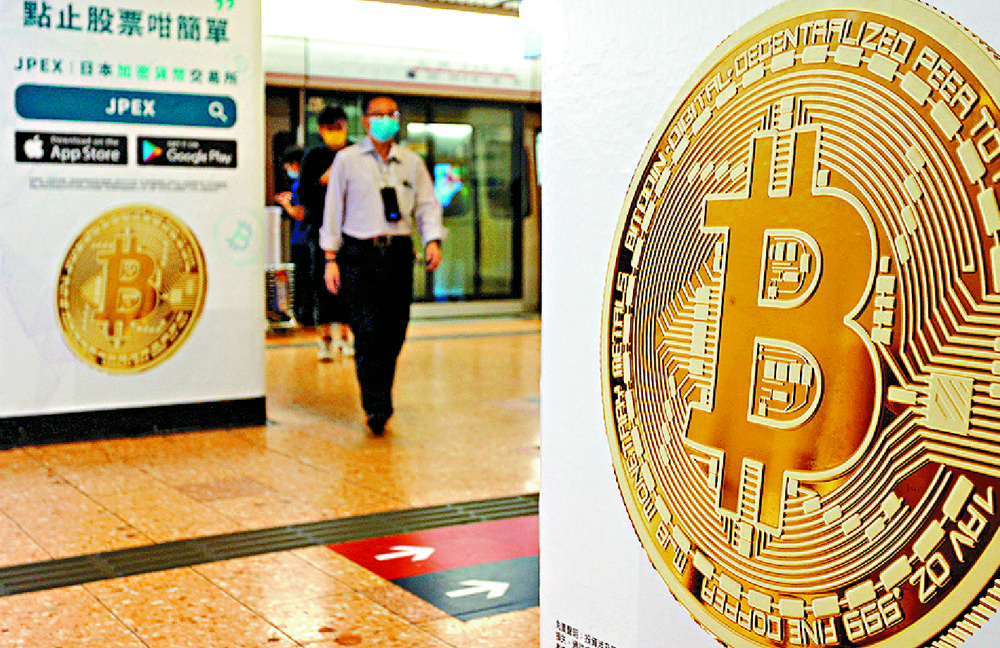
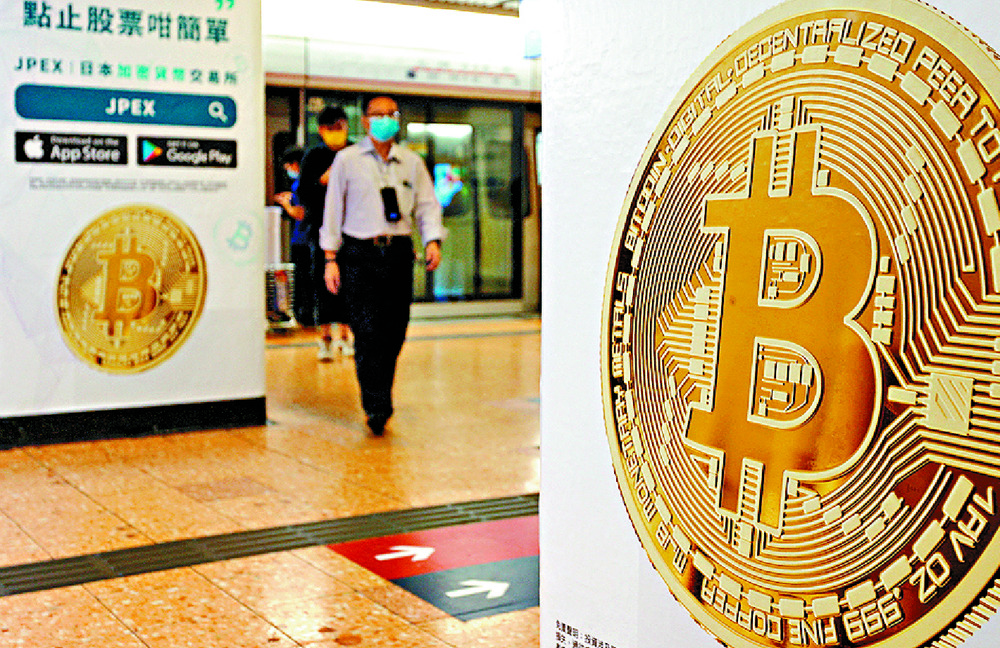
This came after the scandal swirling around unlicensed cryptocurrency exchange JPEX tested Hong Kong's drive to become a pre-eminent hub for virtual assets. Earlier, several virtual assets OTC shops with close ties to JPEX had offered exchange services for JPEX tokens.
JPEX, which claims to be based in Dubai, was accused of deceiving investors into forking out money on products that promise high returns but later preventing them from withdrawing funds.
News of the consultation came as the SFC said a ramp-and-dump case had been transferred to the district court for criminal prosecution.
Such schemes are a form of market manipulation where fraudsters ramp up a company's share price and then lure investors, especially via social media, to buy the shares which they then dump at an artificially high price.