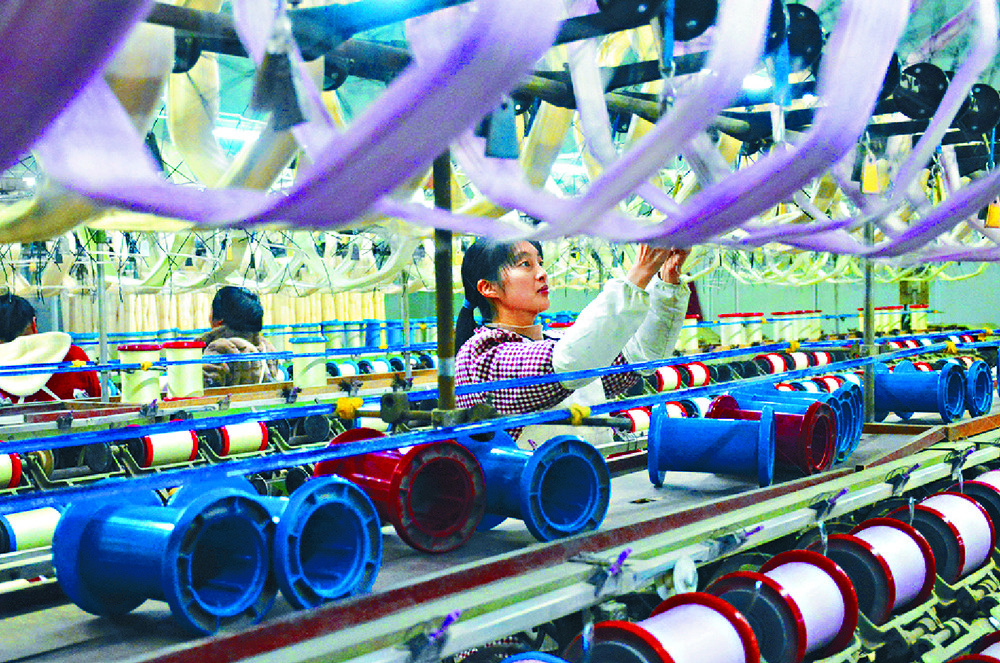
China's factory activity index for January missed market estimates and contracted for the fourth consecutive month despite rebounding to 49.2.
Non-manufacturing PMI, however, rose slightly by 0.3 point to 50.7 to hit a four-month high with NBS attributing the increase to improved spending appetite during the holidays.
However, a DBS analyst said the PMI is not expected to stay above the 50 level before the second quarter due to long holidays in February.
The production index was 51.3 in January, up 1.1 points from a month earlier and at a four-month high, with consumer goods production accelerating significantly.
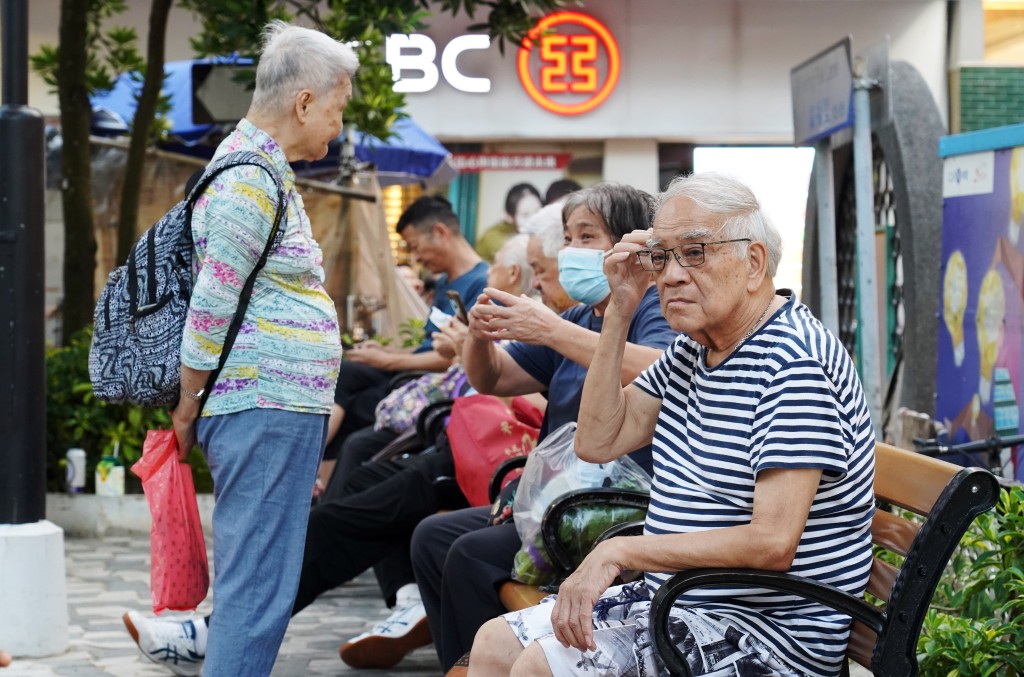
Nearly a third of Chinese office workers reported falling salaries last year, the broadest in at least six years, underscoring persistent deflationary pressure in the world's second-largest economy.
About 32 percent of white-collar workers in China surveyed by online recruitment platform Zhaopin Ltd said their wages dropped last year, which was the highest among years dating back to at least 2018, according to data compiled by Bloomberg.
The survey published this month suggests that more Chinese employers are holding back from increasing wages, a situation that can prolong deflation.
In other news, "World Factory"-dubbed Dongguan aims to grow 5 percent this year after reporting a gross domestic product rise of 2.6 percent last year.
Its targets include a 6 percent growth in value-added industrial output, 10 percent growth in fixed asset investment, 7 percent growth in total retail sales of consumer goods, and more than 1 percent in total imports and exports.
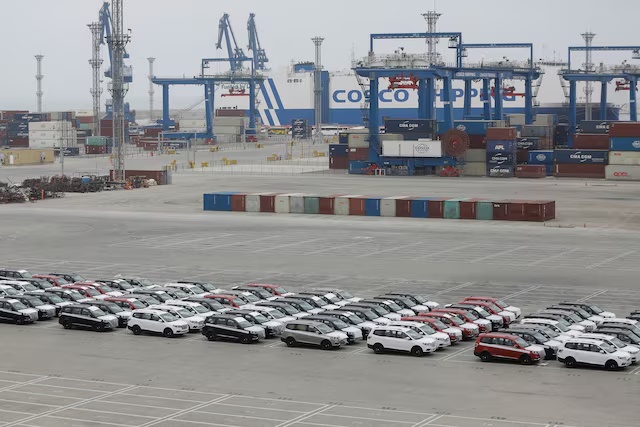
As a Chinese city relying on foreign trade, Dongguan's exports and value-added industrial output dropped 8.9 percent and 1.9 percent respectively last year.
Factory activity remained in contraction territory. AP