Read More
China's move to cut the amount of cash that banks must hold as reserves by 0.25 percentage points for the first time this year will likely stabilize the local market amid volatility resulting from dividend opinions on the US Federal Reserve's path to raise interest rates, analysts said yesterday.
ADVERTISEMENT
SCROLL TO CONTINUE WITH CONTENT
The Hang Seng Index will find support at the 19,000 level, according to Kenny Ng Lai-yin, Everbright Securities International's securities strategist.
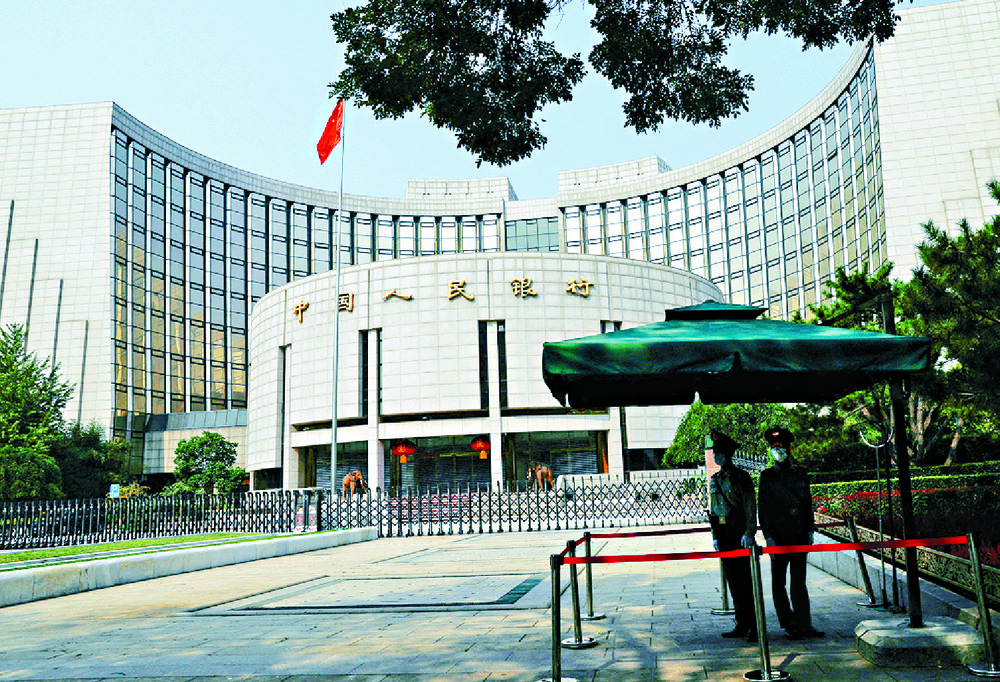
The People's Bank of China said on Friday it would cut the reserve requirement ratio for all banks by 25 basis points from March 27, but banks that have implemented a 5 percent reserve ratio will be exempted. The PBOC last cut the RRR in December, by the same magnitude.
The move, which came earlier than financial markets had anticipated, follows data showing a gradual but uneven recovery in the economy in the first two months of the year and a stronger-than-expected credit expansion.
Analysts estimated that the move freed up over 500 billion yuan (HK$570 billion) in long-term cash.
Citi said in a report that the PBOC's cut was more a sign of government support than an easing of monetary policy.
But Becky Liu, head of China macro strategy at Standard Chartered (2888), noted that the RRR cut signals that the PBOC's monetary policy easing has not ended and expected that the central bank could use a combination of tools - including a further RRR cut - to provide funding to the banking system in the months ahead.
Citic Securities also expected a further cut this year due to the need for medium and long-term liquidity.
PBOC Governor Yi Gang, who was recently reappointed to his post, said that current interest rates were appropriate, adding that cuts to the reserve ratio could be an "effective tool" to support the real economy.
China's consumer spending and investment rebounded in the first two months of the year after pandemic restrictions were dropped in December, according to recent official data.
But the recovery remains uncertain, with unemployment still elevated, property investment continuing to contract and falling exports dragging on industrial output.
In other news, gold prices surged 6.5 percent to US$1,989 last week as the market volatility fueled by recent bank failures and uncertainty about interest rate hikes propelled investors to seek gold as a safe haven.
Bitcoin also rose past the key level of US$25,000 last week and investors have shifted the focus to the next technical hurdle of US$28,000.
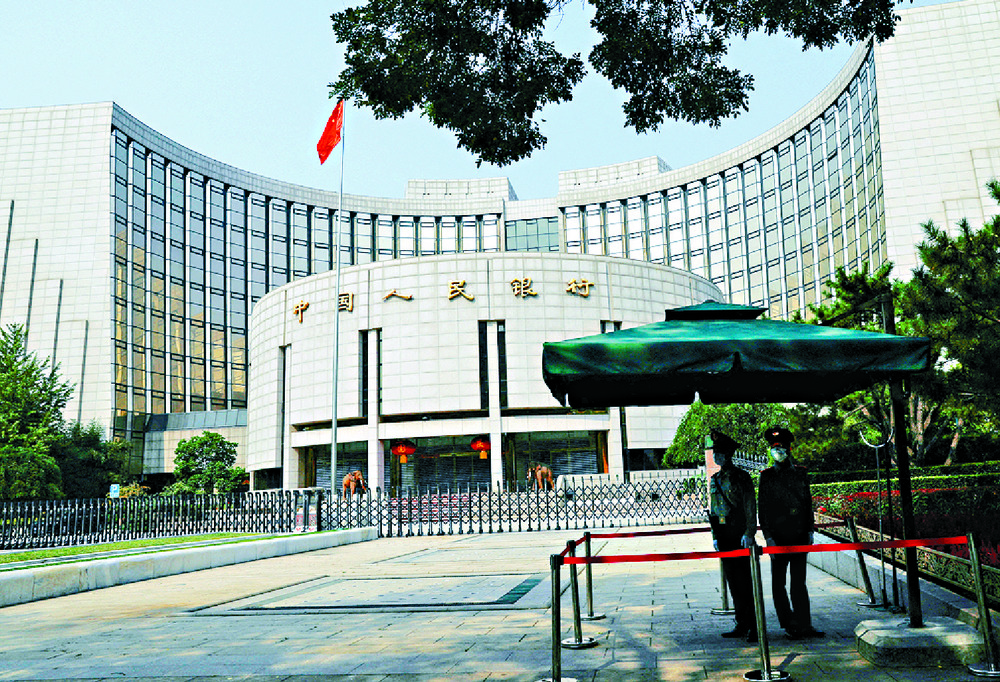
The PBOC cut was more of a sign of government support. Reuters