Over the past few weeks, hundreds of thousands of Hongkongers have been painting the town red, armed with HK$5,000 worth of consumption vouchers dished out by the government last month for use in restaurants, shops and on public transport.
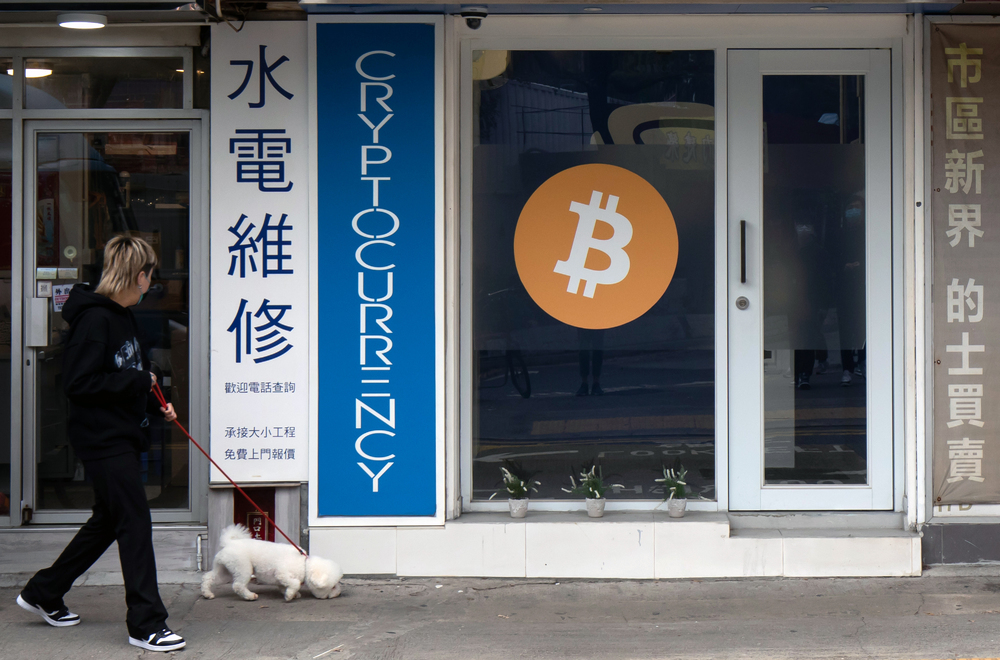
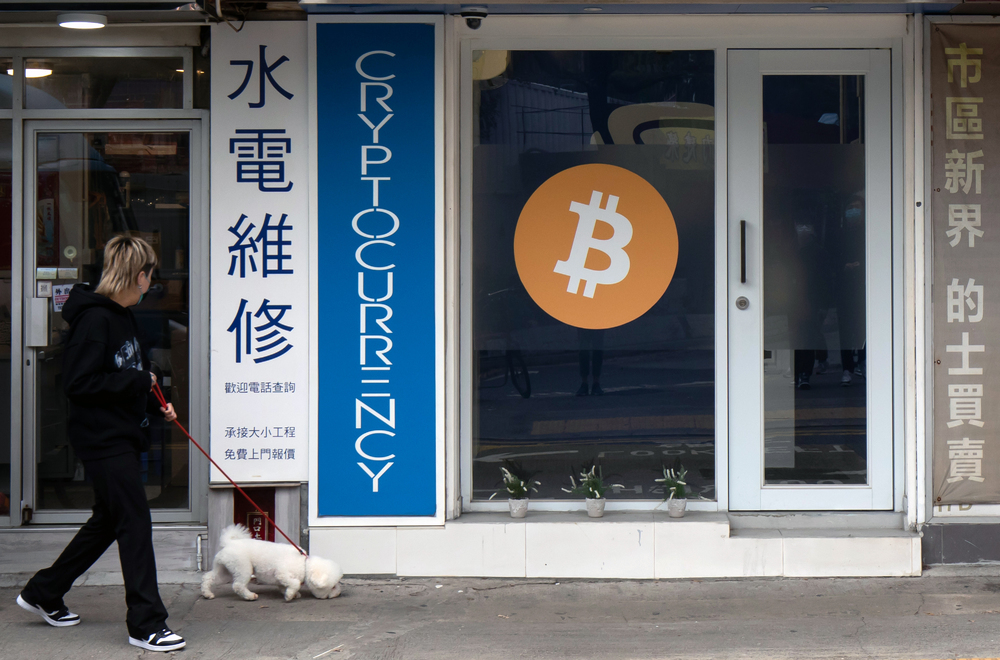
But while the vouchers cannot be converted to cash or used to pay bills, some intrepid residents are finding ways to cash in on the electronic handouts by purchasing cryptocurrencies and precious metals like silver and gold.
Market watchers, however, point out that cryptocurrencies are highly volatile and buyers could lose a lot money. Earlier this month, Terra's stablecoin terraUSD, which is pegged to the US dollar, suffered a catastrophic meltdown, which made its sister coin, luna, worthless, while triggering a massive sell-off in cryptocurrencies. The cryptocoin king bitcoin, meanwhile, fell 29 percent in a month.
Shortly after the government rolled out the first half of the HK$10,000 handout to some 6.7 million residents, a cryptocurrency enthusiast posted a guide on a social media site on how the vouchers could be used to invest in cryptocurrency through Coingaroo, under the cover of buying a luxury keychain!
The enthusiast advised investors to head to Coingaroo's over-the-counter exchange and ask if they could buy a luxury keychain - the "code" for the transaction.
Buyers can exchange their vouchers for an equivalent amount of tether or USDT, a blockchain-based stablecoin that is pegged to the greenback with a price of US$1 (HK$7.8).
The USDTs are then deposited in the buyer's cryptocurrency account, and they can either sell the stablecoins for cash or use them to purchase speculative cryptocurrencies in the hope of growing their investment.
Lawmaker Shiu Ka-fai, who represents the wholesale and retail sector, believes residents shouldn't be buying cryptocurrencies with consumer vouchers as it defeats the purpose of promoting local consumption and stimulating the economy.
The government needs to make it clear to the public whether the vouchers can be used to invest in cryptocurrencies, he says.
Meanwhile, Coingaroo has been reaping the rewards. Last year, its business surged by 30 percent and 50 percent during the distribution of the first and second rounds of consumption vouchers respectively, according to its founder.
Physical gold is also favored by consumers as a valuable commodity with room for appreciation. Although it is not as liquid as paper gold and gold exchange-traded funds, it is the only form of gold that can be bought with consumer vouchers.
To this end, several gold firms have been rolling out incentives for purchases made with consumption vouchers.
Henry Li Chun Hang, managing director of precious metals investment company Emperio Group, posted two videos on his social media channel on how to buy gold and silver with vouchers.
He says last year's consumption vouchers scheme brought a 30 percent increase in the company's business.
While some residents have bought gold in the hope of potential greater returns, others have been trading their vouchers at a discount in exchange for cash. Last month, less than a week after the vouchers were issued, four people were arrested for trying to cash out the vouchers illegally.
Many of Hong Kong's poorer residents are willing to cash out despite having to pay a commission - they fear they may not be able to fully use the vouchers within the time limit, as the vouchers can't be used to pay rent or other bills and living expenses.
Hong Kong's jobless rate hit a 12-month high of 5.4 percent for the three months ended April and though the vouchers may boost employment in the long run - as more spending in retail and food and beverage sectors will lead to higher demand for labor - low-income residents and those who are currently without work argue that cash handouts would have been more beneficial to them.
The vouchers must be used on or before the expiry date of October 31, and the second half of the HK$10,000 handout will be distributed in July.