Read More


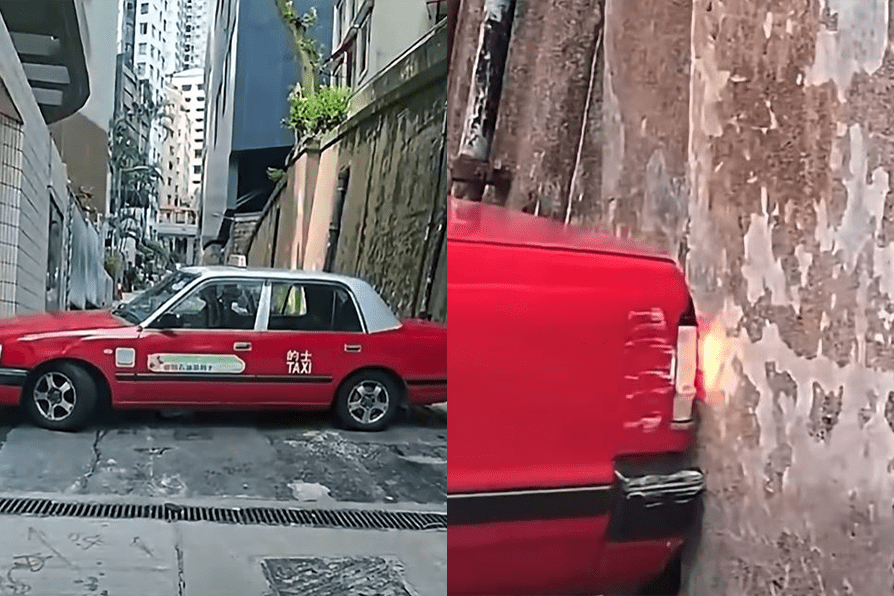
Taxi stuck sideways in narrow Central alley
24-08-2026 15:55 HKT
Shares of China Huarong Asset Management (2799) halved to a record low of HK$0.51 yesterday, as trading resumed after a nine-month suspension, giving investors the chance to revalue the embattled company.
Huarong had raised 42 billion yuan (HK$51.48 billion) from investors led by Citic Group in a state-backed restructuring. But the tumble handed the group of state-backed investors, which had bought a total of 41.2 billion domestic and Hong Kong shares for 1.02 yuan apiece, a combined loss on paper of 26.4 billion yuan.
Citic Group, now Huarong's second-largest shareholder after the Ministry of Finance following the recapitalization, saw its investment slide about 12 billion yuan.
China Insurance Rongxin Fund, the third-biggest holder, was hurt to the tune of 9.3 billion yuan.
In an apparent effort to inject some optimism, Huarong's management said yesterday that the capital injections by strategic investors would breathe new life into the company.
Strategic investors have replenished capital and "laid the ground for sustainable and healthy growth," vice president Wang Wenjie said in a speech that was posted on Huarong's website. "The company has the ability, and condition, to generate returns for our shareholders."
The company reiterated that it will focus on its core business going forward, and seek synergies with strategic investors.
Huarong has previously announced a slew of asset divestment deals, including stake sales in its consumer finance, securities, and distressed asset exchange businesses, amid a regulatory push to sell non-core assets in its business revamp.
Huarong, one of four major state-owned distressed-debt managers, halted trading in its shares in April 2021 after missing a March 31 deadline for filing its 2020 earnings. It spooked Asian credit markets last year and eventually revealed it had lost about US$16 billion (HK$124.8 billion) in 2020.
Created following the Asian financial crisis in the late 1990s to buy up bad debt from the nation's struggling banks, Huarong had expanded into a financial conglomerate.