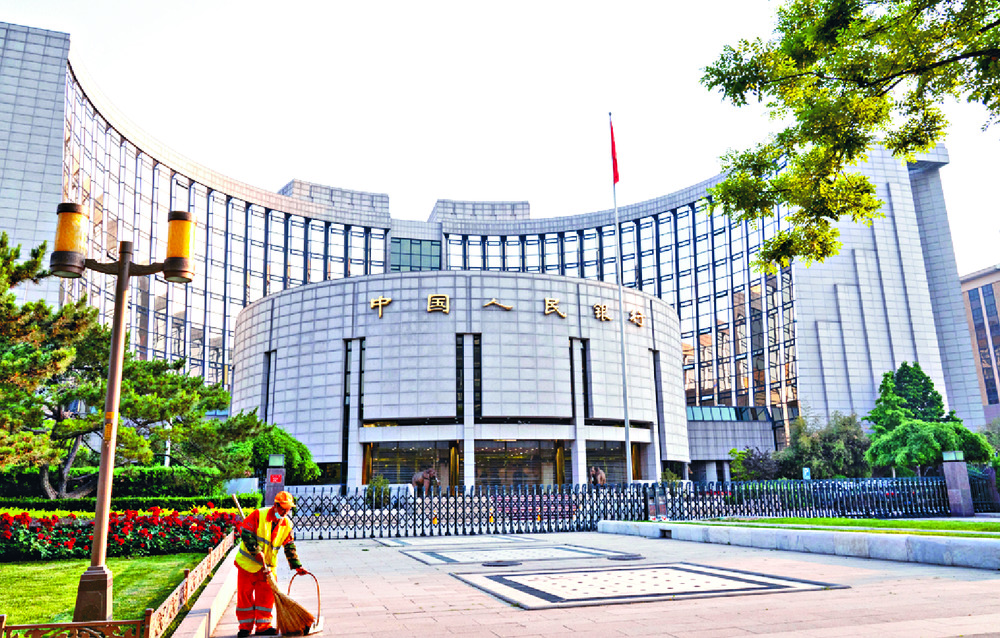
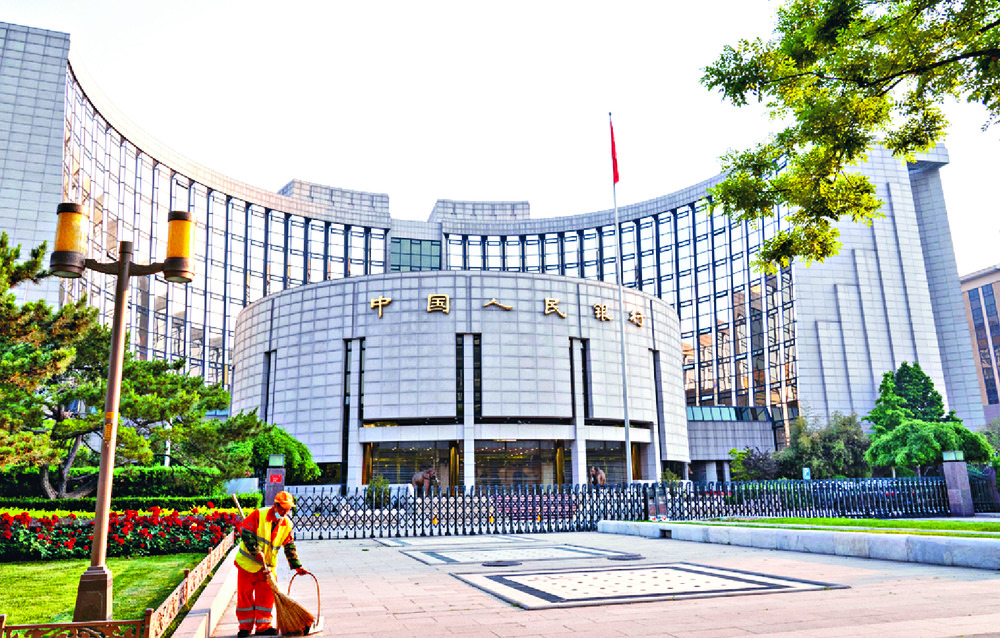
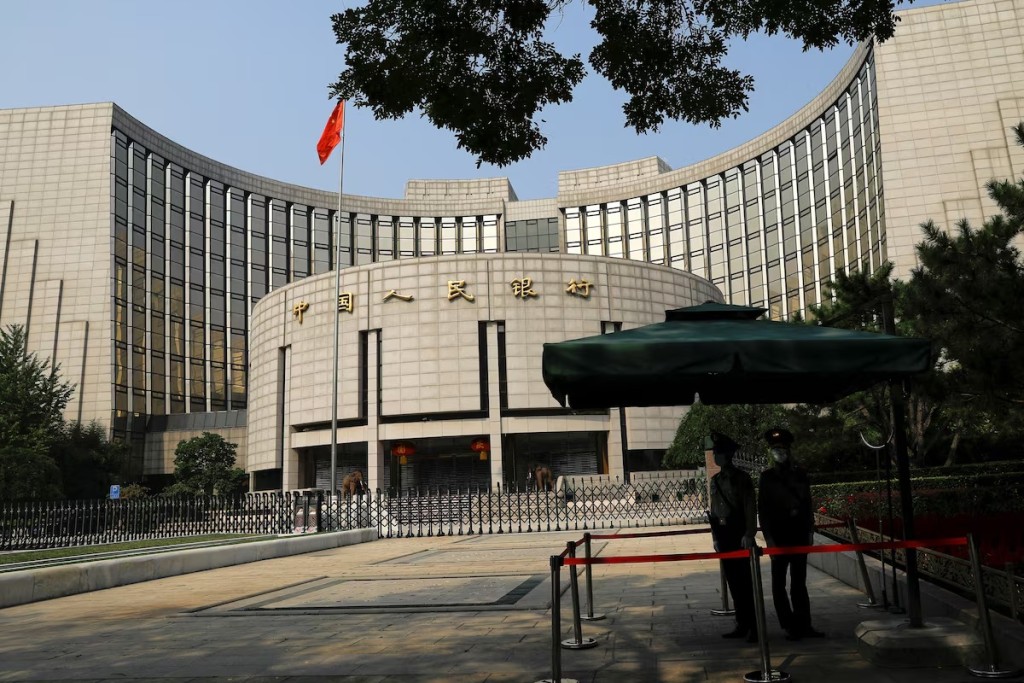
The People's Bank of China is now being scrutinized by state discipline inspectors as Beijing believes the central bank should not have total independence, the Wall Street Journal reported.
Beijing is also questioning the PBOC's close ties with companies that led to a lot of lending to developers over the years and the problematic listing of Ant Financial, the report said.
The WSJ quoted anonymous officials saying the inspectors asked questions, reviewed documents, and sent a "stern message" that Beijing will not tolerate the central bank's independence and that it should answer to the party.
It is also investigating 25 financial institutions and two former PBOC officials, the report said.
The investigation started earlier this fall and was focused on whether these state financial institutions had been too friendly with private firms or whether they had been negligent in fending off risks posed by private companies such as Ant Group, the fintech giant owned by Jack Ma, and China Evergrande (3333), the world's most indebted developer, according to the WSJ.
The inspectors have also started the investigation of Zhou Xuedong, a former senior central-bank official in charge of financial stability, and Wang Yonghong, another former official involved in PBOC's supervision of financial-technology firms, the report added.
The PBOC said on Monday it would cut the reserve requirement ratio for banks by 0.5 percentage points, unleashing 1.2 trillion yuan (HK$1.47 trillion) to shore up the economy. The move went against policy signals it had sent weeks earlier.
Meanwhile, China's inflation rose to 2.3 percent in November, hitting a 15-month high.
The producer price index also jumped 12.9 percent in November, the National Bureau of Statistics said yesterday, slower than October's 26-year high of 13.5 percent but faster than the 12.4 percent expected in a Reuters poll of analysts.
Factory-gate inflation has sped up since May this year due to soaring commodity prices, piling pressures on downstream businesses to pass on their costs to consumers.
The PPI may have already peaked in October, said Standard Chartered chief economist Ding Shuang, estimating that the annual average increase will be four percent in the next year.
Separately, the PBOC said Chinese banks extended 1.27 trillion yuan in new yuan loans in November, up from October but falling short of analysts' expectations.
Agencies and Victor Zhong
The United States will put Chinese artificial intelligence company SenseTime on an investment blacklist on Friday, the Financial Times reported, citing people familiar with the decision, as the company finalizes its Hong Kong IPO pricing.
The startup had not been aware it could be added to a US blacklist, according to two sources, adding the news also caught bankers working on the HK$5.985 billion deal by surprise.
If added to the blacklist, US investors would not be able to buy into the IPO.
Meanwhile, three new firms to make their Hong Kong debuts today, after seeing their retail offerings less than two times oversubscribed.
Among them, Asymchem Laboratories (Tianjin) has priced its Hong Kong IPO at HK$388, the middle of the indicative range, to raise HK$6.85 billion.
Another debutant, a mainland medicine clinic chain Gushengtang, has priced its Hong Kong IPO at HK$29, the top end of the indicative range, to raise net proceeds of HK$700 million.
Lastly, rare disease-focused biopharmaceutical firm CANbridge Pharmaceuticals has priced its shares at HK$12.18 to raise about HK$600 million
In other news, Chinese power tool maker Chervon has appointed CICC and Citi as joint sponsors and started testing market reaction for a listing in Hong Kong, Bloomberg reported.
Hong Kong is expected to see an IPO fundraising amount of HK$356 billion this year, losing its place in the list of the top three global IPO venues, with regulatory risk clouding the market, said KPMG.
In a policy shift, the PBOC cut the RRR last week. BLOOMBERG