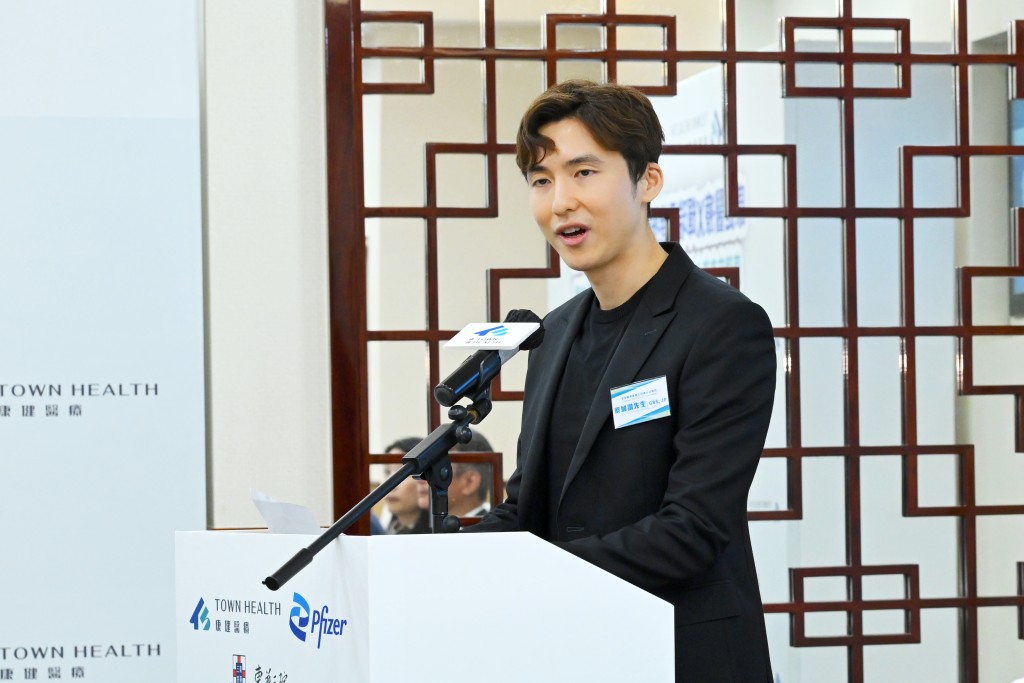
Town Health International Medical Group (3886) is revamping its clinic network and operational model, with plans to open one to two new clinics in every district across Hong Kong during the second half of the year, a senior executive said.
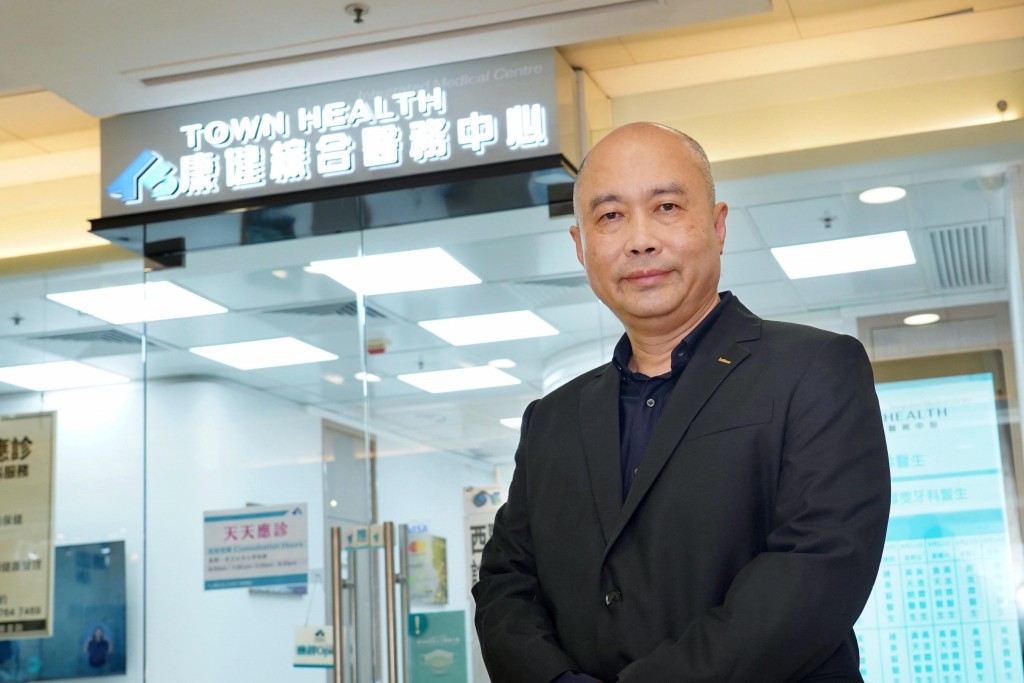
Thomas Chan Chun-hong, chief operating officer of the healthcare provider, said most of Town Health’s newly opened clinics have achieved profitability within three months, with daily patient visits doubling under the updated operational model to roughly 50 per clinic.
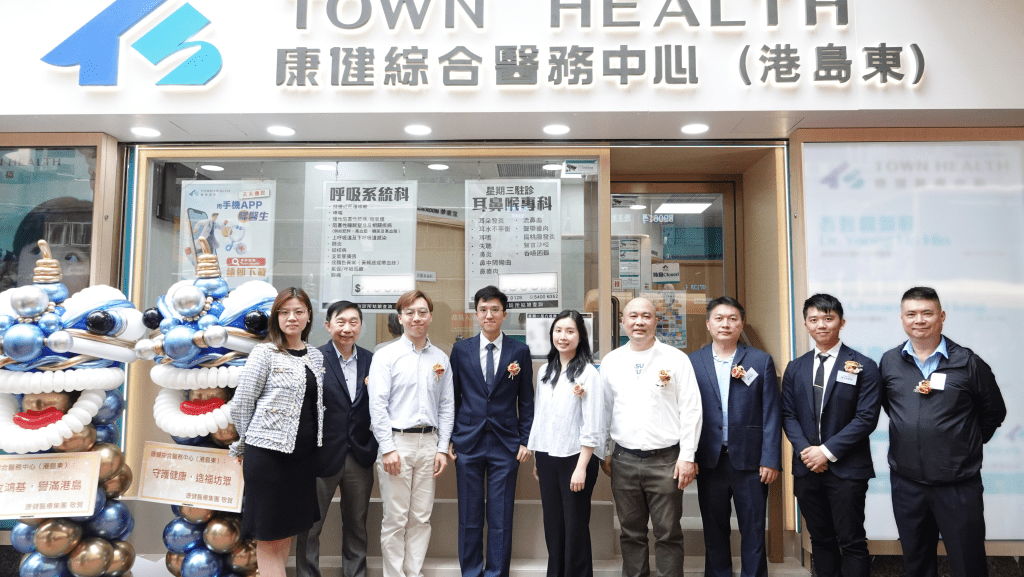
In the first half of the year, the group optimized about 10 existing clinics and opened five new facilities spanning general outpatient, dental, and specialist care to bolster operational efficiency, Chan said.
He noted that while the company aims to expand across all local districts, it will not blindly pursue store count, adding that he expects financial performance to trend upward under the streamlined model.
Town Health recorded a 1.4 percent growth in net profit to HK$12.9 million in the first half.
Under the operational overhaul, the group has extended operating hours at selected medical centers to 365 days a year, converted and expanded facilities into multi-room integrated practices, rolled out general outpatient video consultations, and introduced specialist care directly into local residential neighborhoods, Chan noted.
Addressing rental costs and location strategy, Chan said patients naturally prioritize convenience, steering the group toward major shopping centers, transport nodes, and densely populated residential areas.
Landlords of major shopping malls have demonstrated greater bargaining flexibility, Chan said, citing a recent lease renewal for the group's integrated medical center in Tseung Kwan O that saw rent reduced by 40 percent. Town Health is also planning to open a new clinic of roughly 1,000 square feet at the Metro City Plaza.
Town Health is also advancing projects across its self-owned properties to build long-term competitive advantages, Chan said. The group plans to invest between HK$20 million and HK$30 million to develop gastrointestinal endoscopy and related specialist medical services at its self-owned property in Central, while scouting for additional suitable real estate assets.
Chan also downplayed the impact of residents traveling across the border to the mainland for medical care. Patients with common, mild illnesses rarely travel north specifically for treatment, and many residents still prefer established Hong Kong doctors, he said.
Cross-border healthcare demand is primarily concentrated in critical illness treatments or diagnostic procedures that face long public waiting times and high private-sector fees in Hong Kong, he pointed out.
While describing healthcare expansion in the Greater Bay Area as an inevitable long-term trend, Chan also said Town Health plans to maintain a measured expansion pace rather than moving aggressively, citing prevailing hurdles in talent recruitment and cross-border regulatory compliance.