
Read More
The U.S. Travel Association said it is concerned the Trump administration's visa bond program could be broadened beyond the dozens of countries currently covered, a move it says would have a detrimental impact on the travel industry and economy.
ADVERTISEMENT
SCROLL TO CONTINUE WITH CONTENT
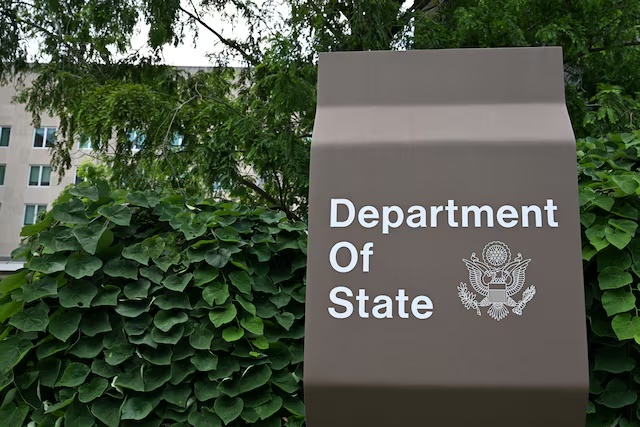
The U.S. Department of State this month made permanent a visa bond program first launched as a pilot in August 2025, allowing consular officers to require certain tourist and business visa applicants from 50 countries to post refundable bonds of up to $20,000.
"There are already rumblings of expanding this program to additional countries where visas are required, perhaps all countries where visas are required," U.S. Travel Association President Geoff Freeman told Reuters. "That would have an extraordinarily detrimental effect on the U.S. economy, on the travel industry."
The State Department did not immediately respond to a request for comment.
The administration said visa issuances in the pilot countries fell 83% during the program's first 10 months, while overstays from those countries dropped from 45,488 in fiscal 2024 to fewer than 50 during the pilot period.
The 50 countries covered by the program are predominantly in Africa, with a smaller number in Asia, the Caribbean, Central Asia and Latin America. The administration said the program is aimed at reducing visa overstays from nationals of countries with high overstay rates or deficiencies in information-sharing, vetting and document security. New countries can be added to the list with 15 days' notice, the State Department said.
Under the rule, the bond can be forfeited if a traveler overstays or violates other conditions of their status.
Freeman said that while the countries currently covered by the program account for less than 2% of visitors to the United States, the U.S. travel industry is already nursing a 25% decline in travel from Canada, while travel from Asia is 50% of what it was in 2019.
Total overseas travel to the U.S. declined 4.3% year-to-date as of June, according to preliminary data from the National Travel and Tourism Office, including a 1.8% fall in June during the soccer World Cup.
Freeman said the industry had hoped policymakers would use lessons from the World Cup to encourage international visitation rather than adopt policies that discourage travel.
"If we can't have year-over-year increases in travelers during the World Cup, which we didn't, what the heck are we going to do in an average September?"
Reuters