Hong Kong saw non-exchange-traded investment products sales surge 63 percent to a new high of HK$9.9 trillion in 2025, driven by a record level of market participation with strong demand for fixed-income, currency and commodity-related products, a survey by the city’s regulators showed.
Record numbers of participating clients and firms propelled the strong growth in the total transaction amount, according to the annual joint survey by the Securities and Futures Commission (SFC) and the Hong Kong Monetary Authority (HKMA).
The number of clients who completed at least one transaction in non-exchange-traded investment products jumped by 33 percent to more than 1.6 million, while the number of licensed corporations and registered institutions engaged in investment product sales grew by 9 percent to 452.
Notably, the number of large firms increased by 27 percent to 128, the survey found.
Collective investment schemes, whose sales jumped by 85 percent to HK$4.1 trillion, overtook structured products for the first time as the top-selling product type since 2020.
Money market funds accounted for 88 percent of the top five CIS sales reported by the large firms, up from 80 percent in 2024.
Structured products and debt securities ranked second and third after CIS, reaching HK$3.9 trillion and HK$929 billion in sales, respectively.
The new records of sales and market participation reflect global investors’ confidence in Hong Kong as a leading international financial center, said Eric Yip Chee-hang, the SFC’s executive director of intermediaries.
By grasping new industry trends, the SFC will continue to collaborate closely with stakeholders to drive the quality growth of the SAR's financial ecosystem, Yip said.
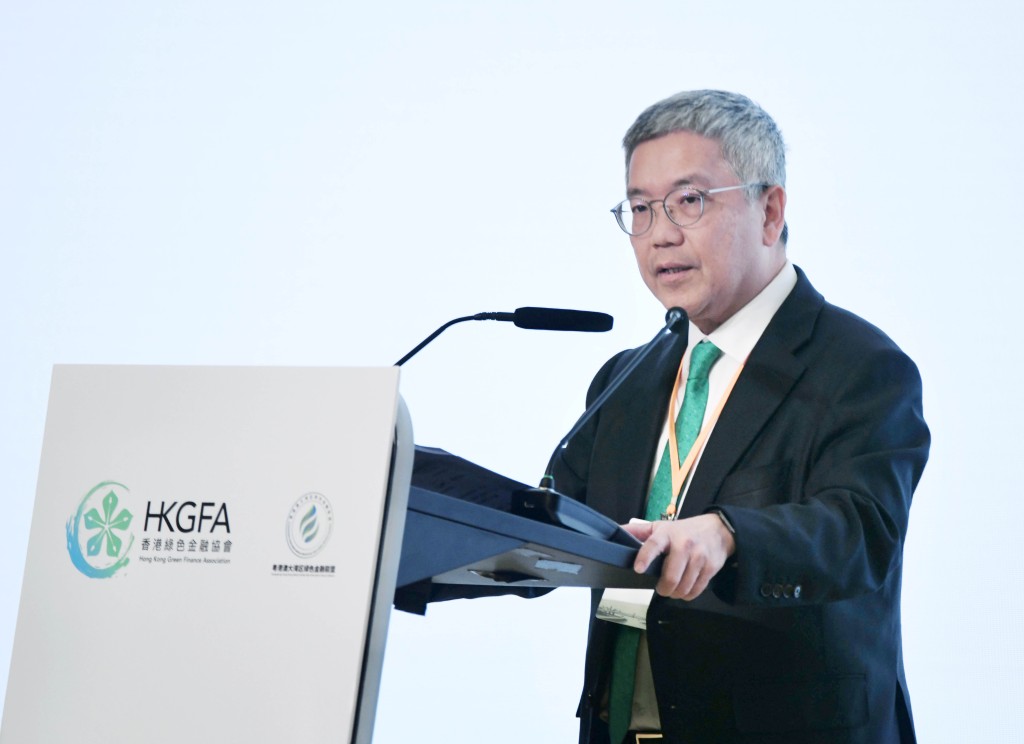
The strong growth captured in the survey is a clear testament to investor confidence in Hong Kong’s asset and wealth management industry,” said Kenneth Hui Wai-chi, banking conduct executive director of the HKMA.
The regulator will continue to adopt a balanced, proportionate regulatory approach to ensure robust investor protection while fostering a positive customer experience and supporting the industry’s continued growth, Hui added.