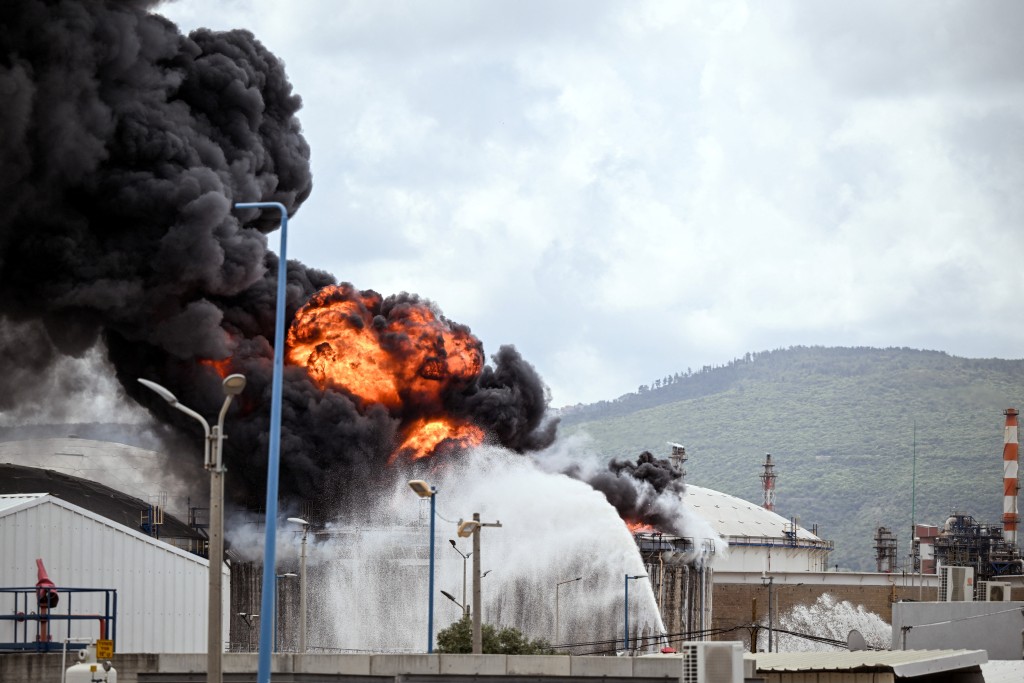
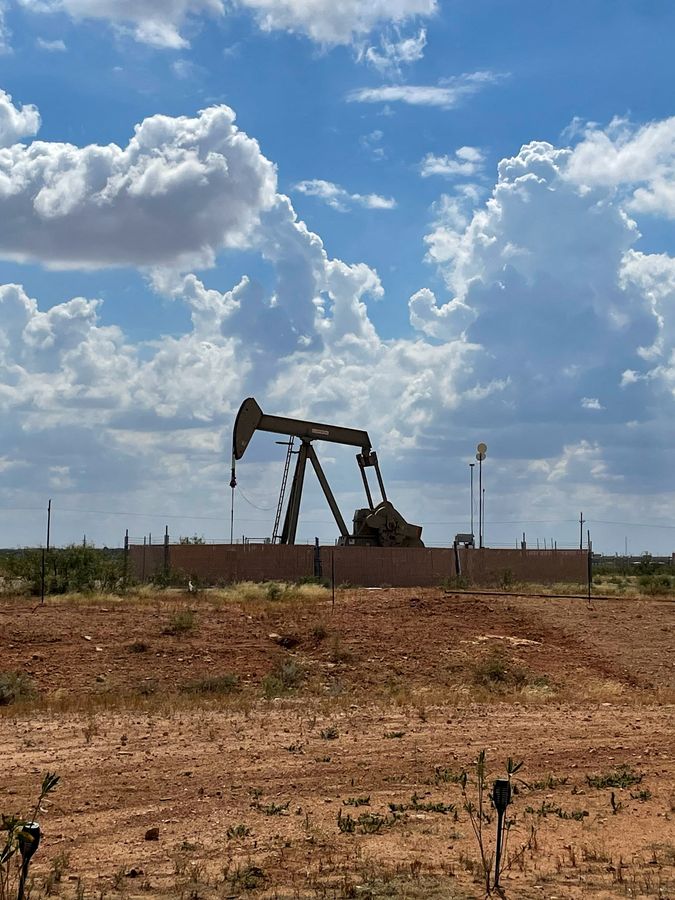
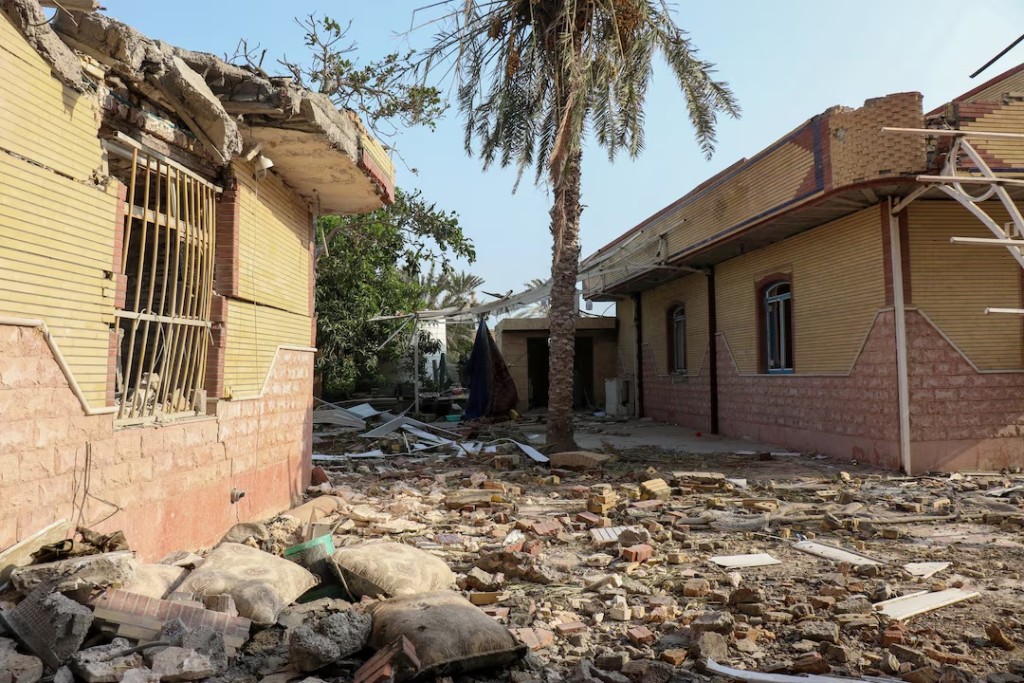
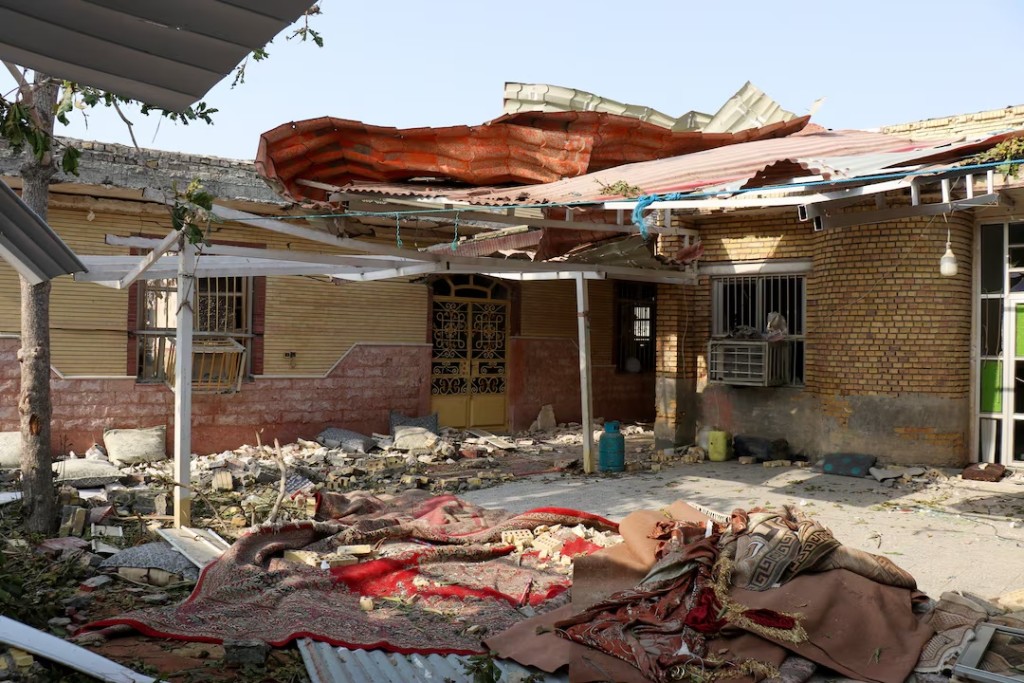
The price of physical crude oil cargoes in the Middle East, Europe and Africa jumped this week to two-month highs with some nearing US$110 (HK$858) a barrel, as supply disruptions linked to the Iran and Ukraine wars left buyers scrambling to secure prompt supply from other sources.
Global oil price benchmark dated Brent, used to price over 60 percent of the world's physical crude cargoes, hit US$105.70 per barrel on Thursday according to LSEG data, its highest since late May and breaching US$100 for the first time since early June. That pushed the price of North Sea Forties crude, priced against Brent, to US$108.77 on Friday.
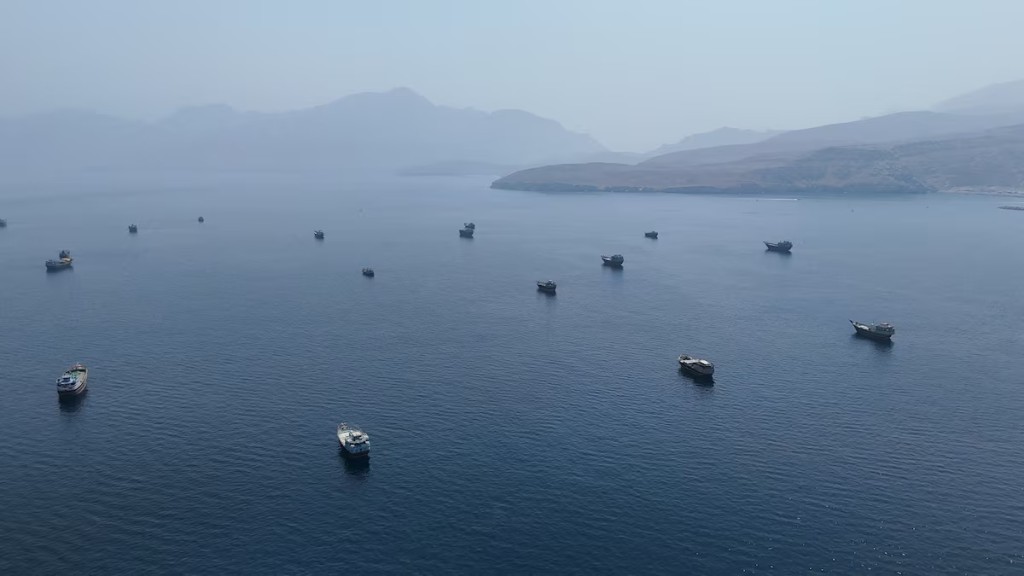
Yemen's Iran-aligned Houthis attacked tankers in the Red Sea this week, triggering a rerouting of some Saudi shipments via a route that circles Africa. This followed the collapse of a preliminary US-Iran peace deal and increased disruption to exports through the Strait of Hormuz.
"Supply considerations are once again at the forefront of thinking," said Tamas Varga, an oil broker at PVM.
Adding to the Middle East disruption, Kazakhstan said on Thursday it had reduced oil production after suspected Ukrainian drone attacks forced its main export terminal for CPC Blend crude on the Black Sea to close. Kazakh crude production has halved to around 406,000 barrels per day, one source said.
MIDDLE EASTERN GRADES REBOUND
Spot premiums for Middle East benchmark Dubai to swaps doubled on Thursday to US$12.74 a barrel, while Oman's premium climbed to US$12.62, Reuters data showed. Both premiums are the highest since the end of May.
Middle Eastern grades had traded at wide discounts earlier this month during the short-lived truce between the United States and Iran which was agreed in mid-June.
The premium for Abu Dhabi's flagship Murban crude surged to US$19.04, the highest since April 7, on tight supply for light-sour crude as ship attacks in the Black Sea compounded the supply problems in the Middle East.
The front-month Dubai contract itself touched US$99.66 on Thursday, also a high since late May.
SAUDI CRUDE DIVERSION
The rising security threat has already forced several oil tankers to change course in the Red Sea to head north towards the Suez Canal even as two Chinese supertankers exited on Thursday from Bab el-Mandeb into the Gulf of Aden.
Saudi Aramco has offered additional crude cargoes for loading from Egypt's Mediterranean port of Sidi Kerir, according to five trading sources.
Several Asian refiners are looking for cargoes and vessels loading from the Egyptian port, two traders said, which would mean almost a one-month diversion around Africa compared to the usual route through Bab el-Mandeb.
South Korea's largest refiner SK Energy has chartered a very large crude carrier (VLCC) to load 2 million barrels of crude from Sidi Kerir to Ulsan, South Korea, on August 18-20 at a lump-sum freight rate of US$18.5 million, shipping sources said. The Korean refiner did not immediately respond to a request for comment.
"Buyers are now scrambling to secure supplies, with Japanese and South Korean refiners rushing into the market to buy cargoes," said one of the traders with a refiner, adding that the North Asia refiners are seeking Atlantic Basin crude.
ATLANTIC BASIN CRUDE GRADES ALSO RALLY
North Sea crudes jumped on Thursday, with Ekofisk's premium to dated Brent hitting a one-month high of US$4.30 and that of Forties bid up to dated plus US$3.60, its firmest premium since May.
The drop in Kazakh exports could boost demand from Mediterranean refiners for North Sea and West African grades, Kpler analysts wrote this week.
Short-term Brent swaps called contracts for differences, which help establish the dated Brent price, also surged on Thursday, with the contract for next week doubling to a US$11.10 premium.
Sellers of West African crude have started to hike offers, traders told Reuters this week, but the market remains largely in wait-and-see mode according to one trader on Thursday.
Reuters