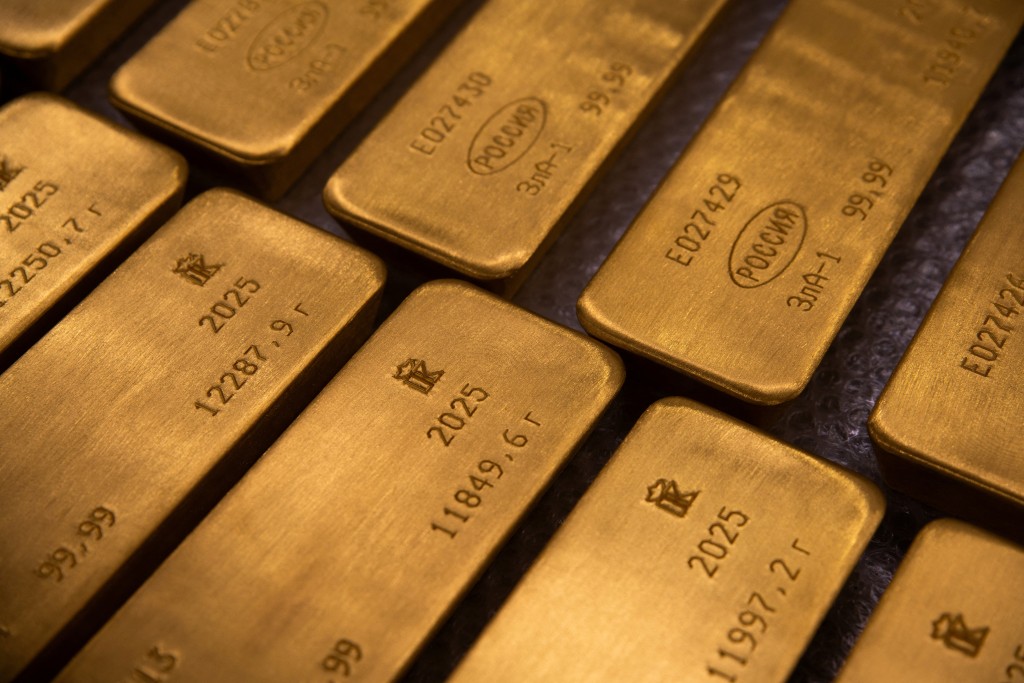
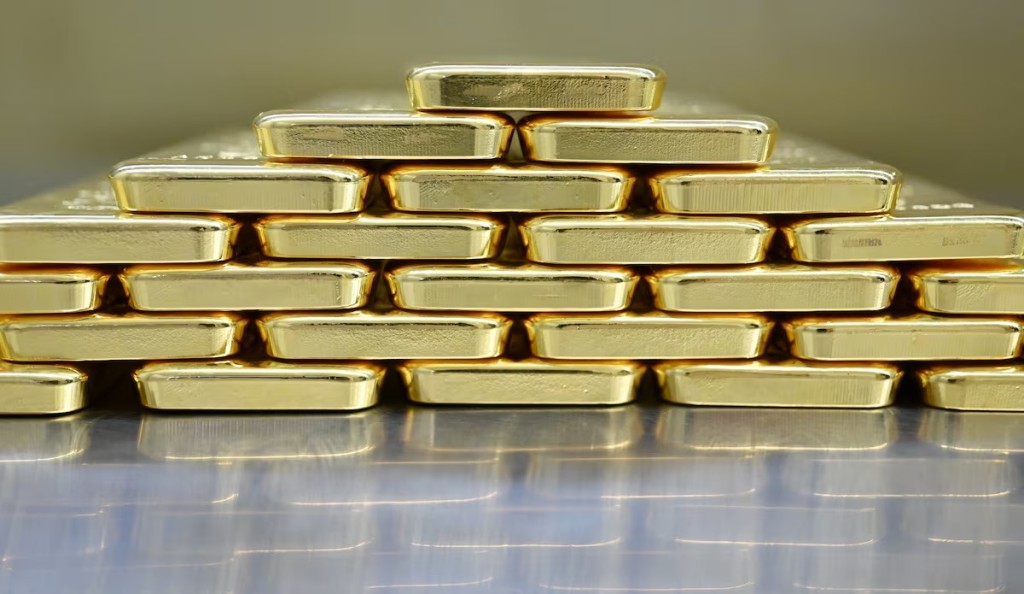
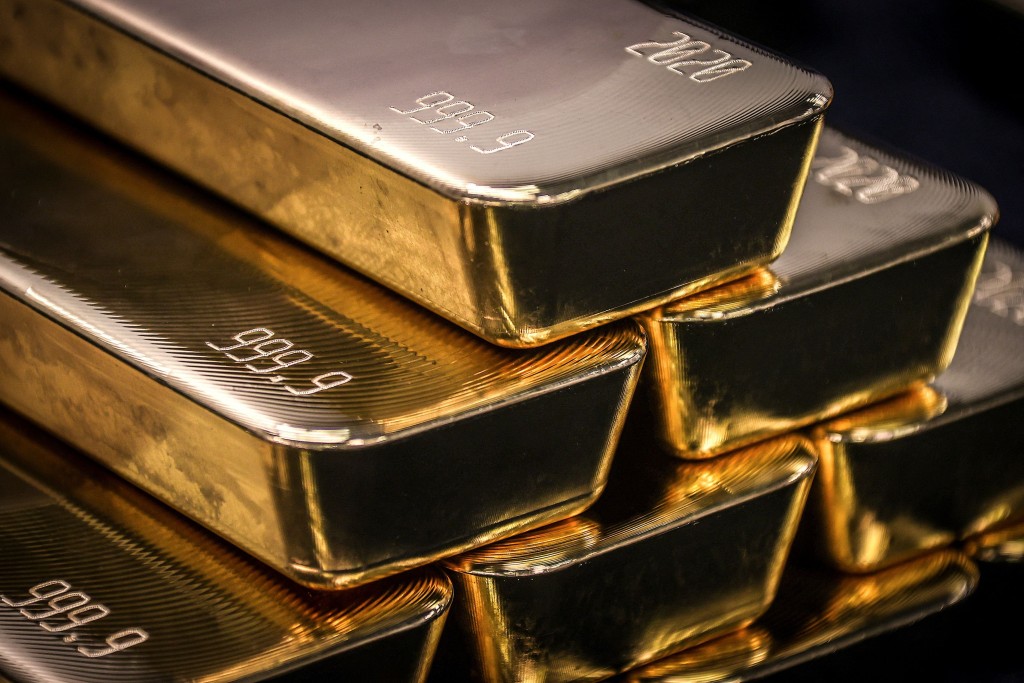
Gold eased on Tuesday and was on track for its sharpest quarterly decline in 13 years, as inflation concerns stemming from the Middle East conflict reinforced expectations that the US Federal Reserve could hike interest rates.
Spot gold dropped 0.2 percent to US$4,008.94 (HK$31,442.67) per ounce by 08:59 a.m. ET (1258 GMT) after hitting its lowest level since November earlier. Prices slid 11.3 percent in June so far.
US gold futures dipped 0.4 percent to US$4,022.70 per ounce.
The precious metal was headed for its first quarterly decline since 2024 and its steepest since the June quarter of 2013, when the Gulf conflict stoked inflation concerns.
Although gold is typically seen as a hedge against inflation, higher rates tend to weigh on the non-yielding metal.
"The markets are a little uneasy about how stable the MOU is and there's pressure on gold because people are not seeing much light at the end of the tunnel," Marex analyst Edward Meir said.
Top US envoys who have arrived in Doha will not hold a high-level meeting with Iran, a Qatari official said, casting doubt on the progress of efforts to bring a lasting halt to the Iran war.
The US inflation readings remain stubbornly high and well above the Fed's 2 percent target. Markets expect the Federal Reserve to keep interest rates elevated for a prolonged period and may even consider further rate hikes, Meir said, noting that these expectations were weighing on gold prices.
Traders are pricing in about a 65 percent chance of an interest rate hike in September, according to the CME FedWatch Tool. Investors are now eyeing the ADP employment data due on Wednesday and the US nonfarm payrolls data due on Thursday to further gauge the Fed's monetary policy stance.
Meanwhile, an OMFIF survey showed central banks are more likely to cut US dollar exposure over the next decade due to heightened geopolitical concerns, while increasing gold holdings in the near term.
Among other metals, spot silver slid 0.8 percent to US$58.2585 per ounce and headed for its worst quarterly drop since the first quarter of 2020.
Platinum dropped 0.7 percent to US$1,564.34 and palladium rose 0.2 percent to US$1,215.94. Both metals were on track to log monthly and quarterly declines.
Reuters