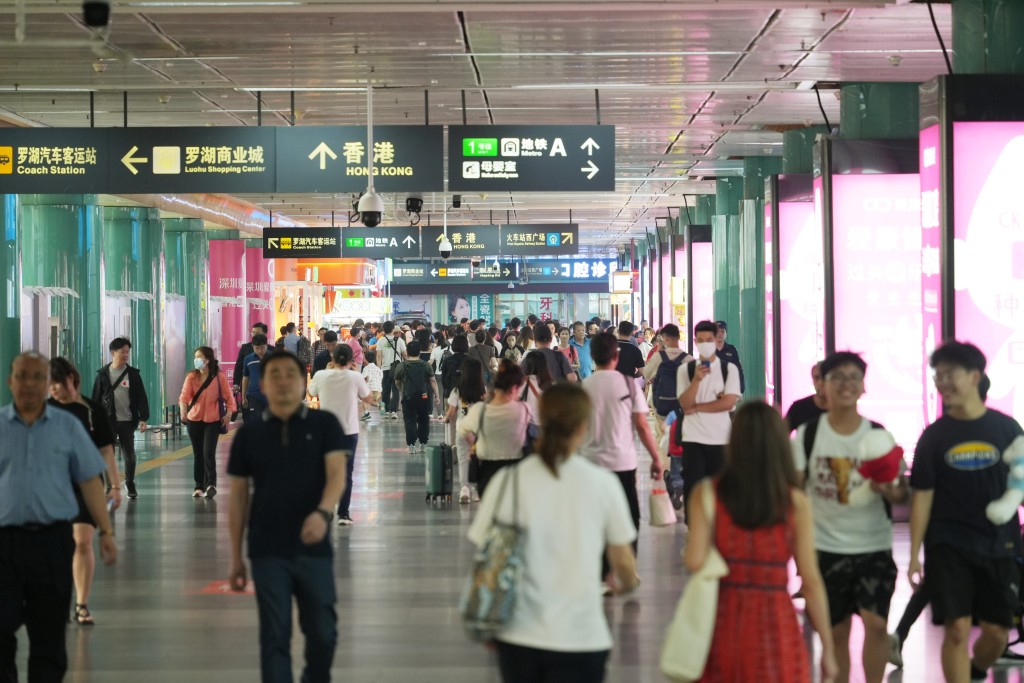
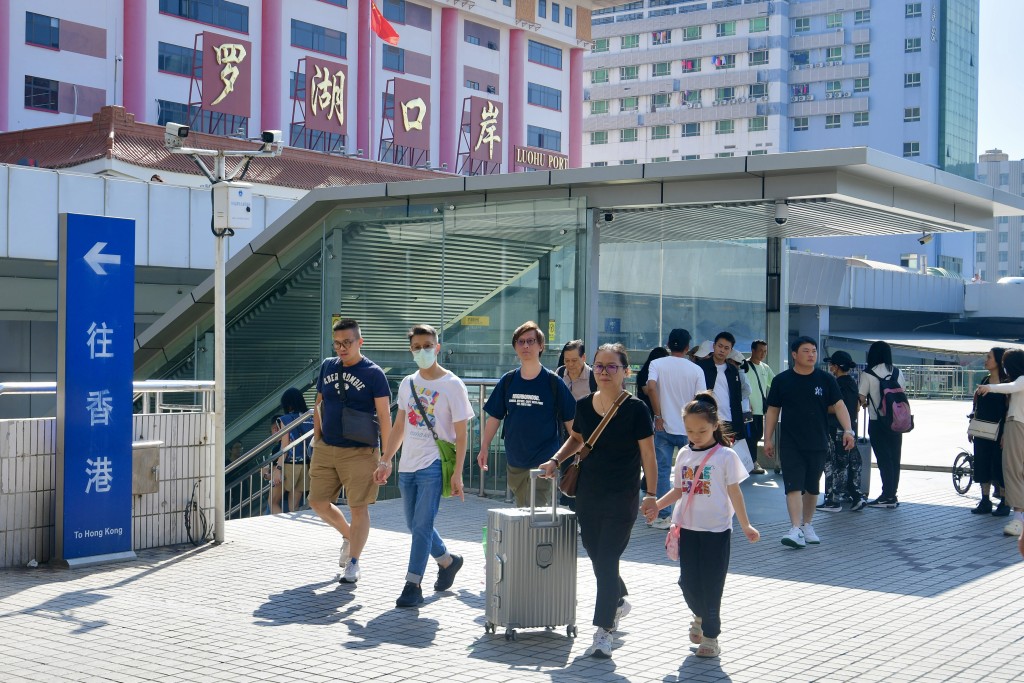
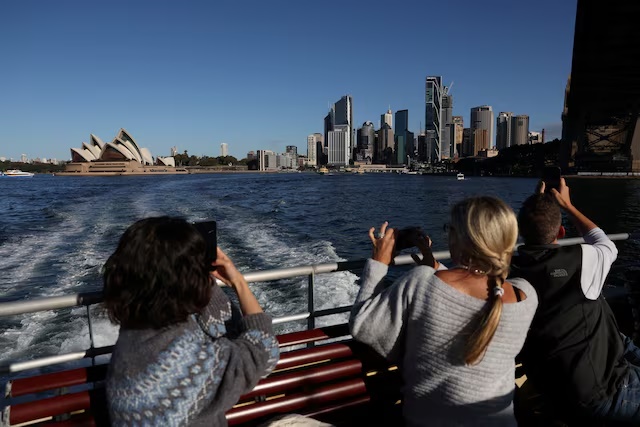
At dawn, streams of students cross Lo Wu and Lok Ma Chau into Hong Kong for class – only to head back to beds in Shenzhen by night.
Sally Hou Xuanyan, a master’s student at Baptist University, is part of this growing cohort of cross-border commuters. For mainland scholars, this lifestyle has become a unique and far more affordable alternative to navigating Hong Kong’s hyper-expensive housing market and limited on-campus beds.
“My biggest regret is that I never really got to experience life in Hong Kong,” said Hou, who is about to graduate.
Before moving, she wrote a “100 things to do in Hong Kong” list: hike the MacLehose Trail, watch the sun set over Victoria Harbour, rummage Sham Shui Po for vintage finds… But living in Shenzhen, her grasp of Hong Kong remained bounded by classrooms and the MTR.
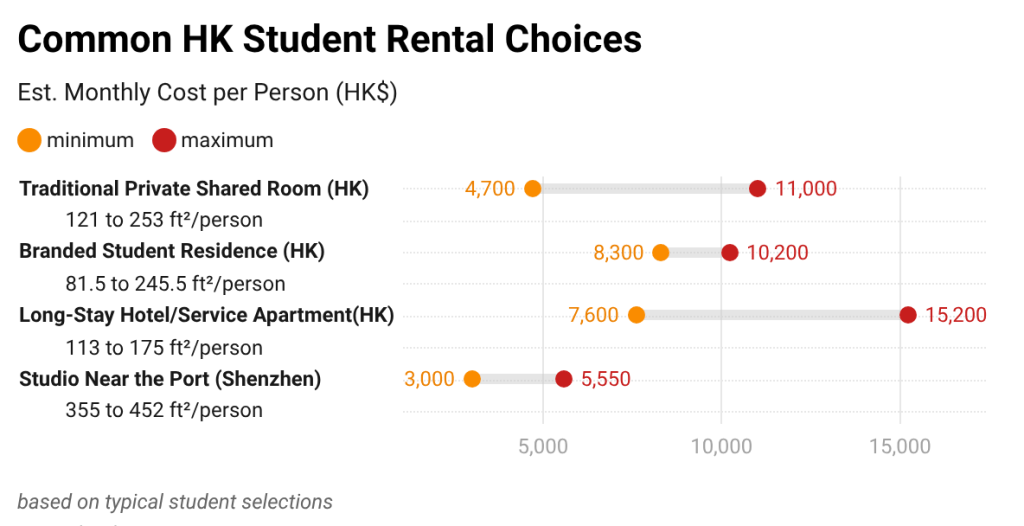
The calculus starts with rent. Hou shares a flat near Luohu Port with two friends, paying about 3,000 yuan (HK$3,474) a month. In Hong Kong, a shared room near Tai Wai station she viewed would have cost around HK$7,000 monthly.
Hong Kong landlords usually require non-local students without a local guarantor to pay a full year's rent upfront. “My family couldn't come up with HK$100,000 all at once," Hou said. "Monthly payments in Shenzhen eased the burden.”
Classmate Alfred Guo Zhuozhuang rents a 30-square-meter studio two metro stops from Luohu Port for about 5,000 yuan. He estimates a similar space in Hong Kong would run HK$14,000 to HK$17,000. “I enjoy the freedom of my own place without queuing for the bathroom,” he said.
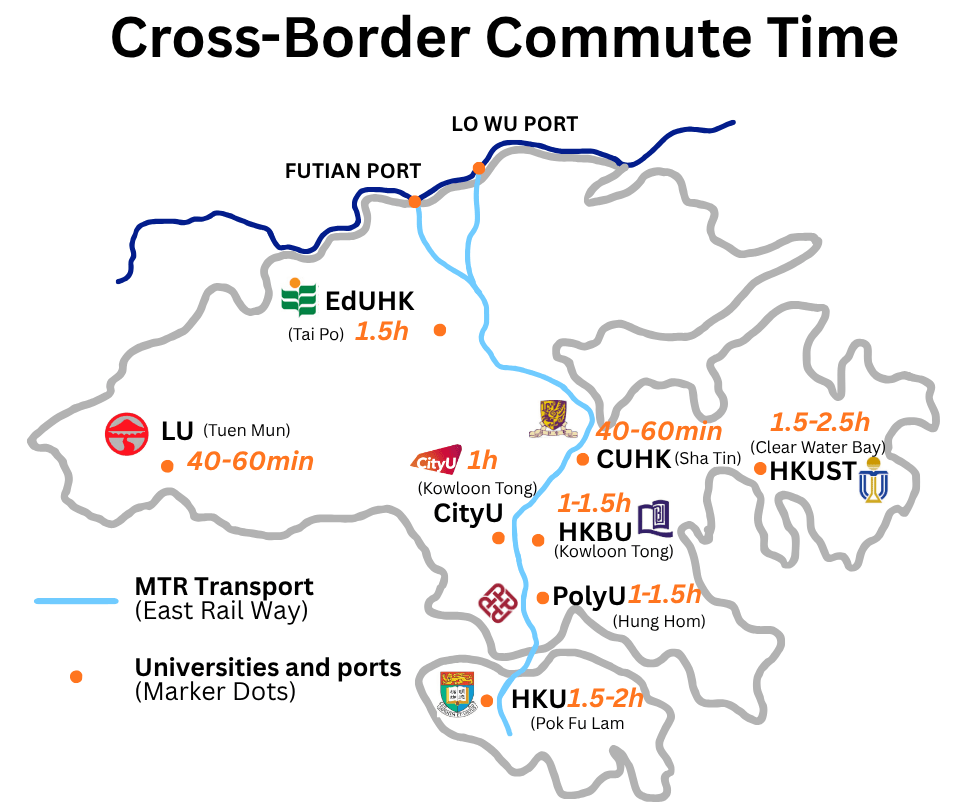
The trade-off is time. Campuses along the East Rail Line, such as Chinese University, can be 40 to 60 minutes door to door, while Hong Kong Island schools often mean 1.5 to two hours or more each way.
Cross-border student Celeste Liu Yuxuan pays roughly HK$40 per trip and HK$1,500 to 2,000 a month, and adding Shenzhen legs pushes monthly transport costs higher. “Commuting five days a week is just too exhausting,” she said.
With cheaper groceries, cooking, food delivery, and couriers in Shenzhen, Guo noted that even after factoring in transit fees, “I still save another 2,000 to 3,000 yuan a month.”
There is another way besides decamping to Shenzhen: branded student residences that promise convenience – move-in-ready rooms, front-desk security, and generous common spaces. Even as hotel-to-dorm conversions add beds this year, prices have barely budged.
Behind it all is a supply squeeze. Hong Kong issued 94,517 student visas in 2025. Universities collectively provide only around 44,600 on-campus beds, according to JLL, leaving a shortage of over 50,000; the Development Bureau projects the student accommodation shortfall could reach 120,000 by 2028.
In July 2025, the government launched a scheme to encourage conversions of hotels and commercial buildings into student housing, with streamlined approvals and land-premium arrangements.
However, this fresh wave of supply has yet to shake rental prices.
Consequently, some students still choose to stay in Hong Kong by sharing traditional private apartments.
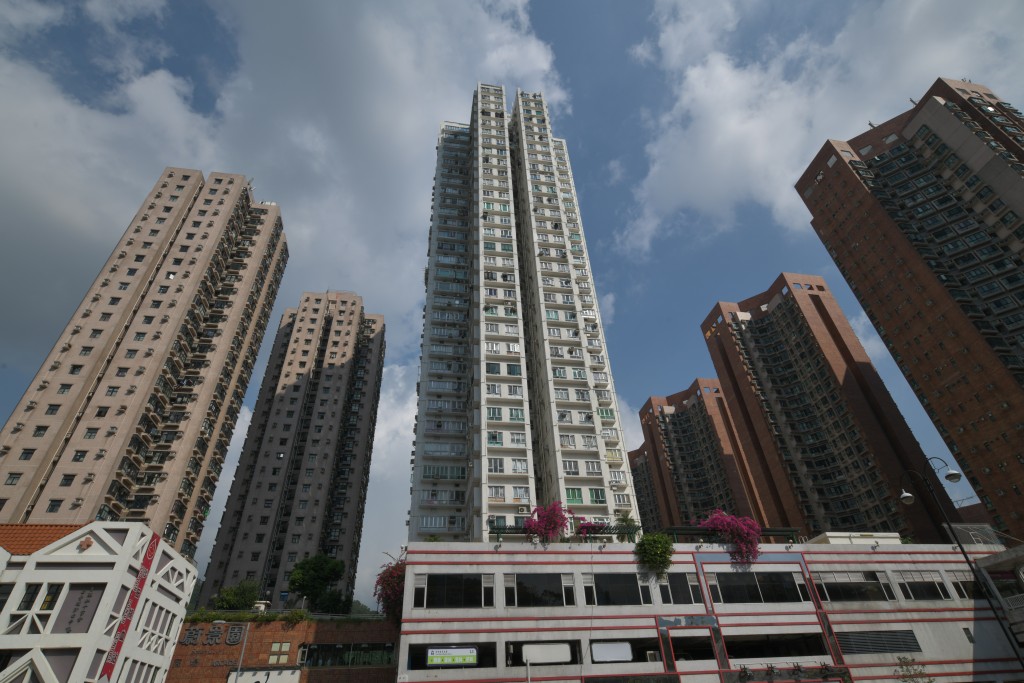
Agents say mainland students flock to districts like Sha Tin from June to September; popular starter estates like City One Shatin and Garden Rivera fetch HK$12,000 to 14,000 a month for roughly 300-sq-ft two-bedroom units.
Hong Kong private residential rent increased by 1.14 percent in the first four months of 2026, a 16.70 percent increase compared to January 2023, according to the Hong Kong Rating and Valuation Department.
Liu initially chose Shenzhen because bringing her cat into Hong Kong would require the pet to undergo at least 30 days of quarantine; as graduation nears and she eyes a Hong Kong job, she is reconsidering. “If my office is on Hong Kong Island or even an outlying island, I’ll give up some space and amenities,” she said.
With caps on non-local admissions set to rise by the 2026/27 academic year, more students are expected to arrive even as accommodation lags.
Hotel-to-dorm conversions fall short of cutting student costs
An unprecedented influx of hotel-to-dorm conversions across Hong Kong is failing to bring anticipated price relief to students, as soaring development costs and defensive valuation strategies keep rents sky-high.
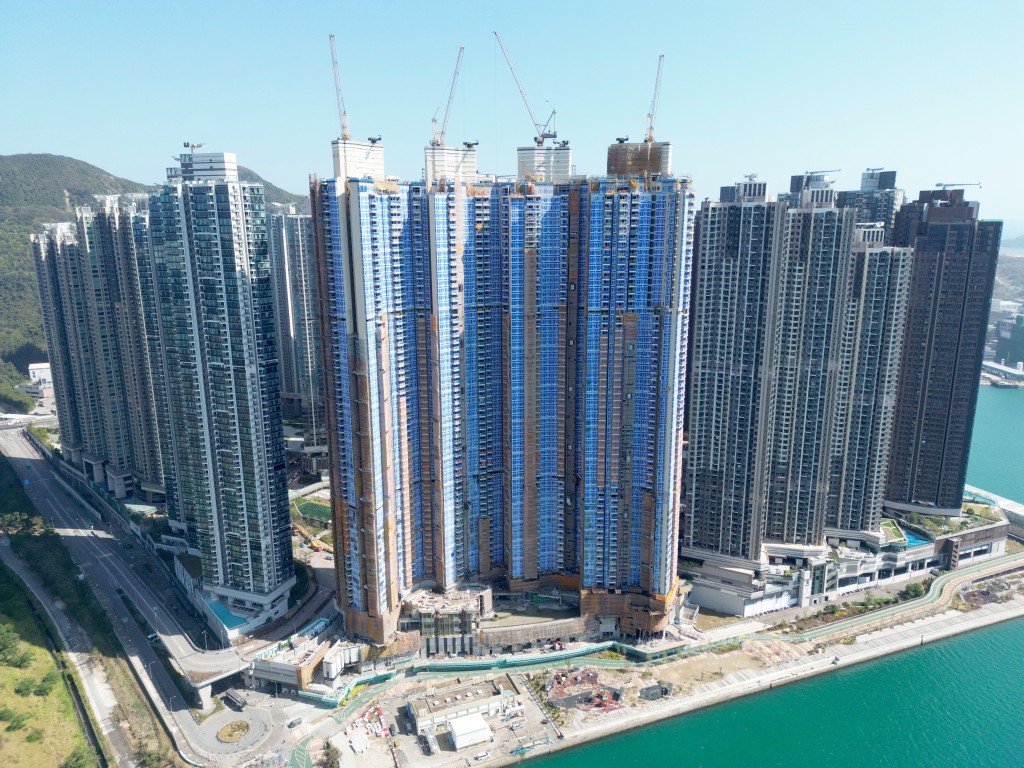
Under the SAR’s conversion push, thousands of new beds are rolling out across Kwai Chung, Mong Kok, San Po Kong, Mid-Levels West and Tsim Sha Tsui.
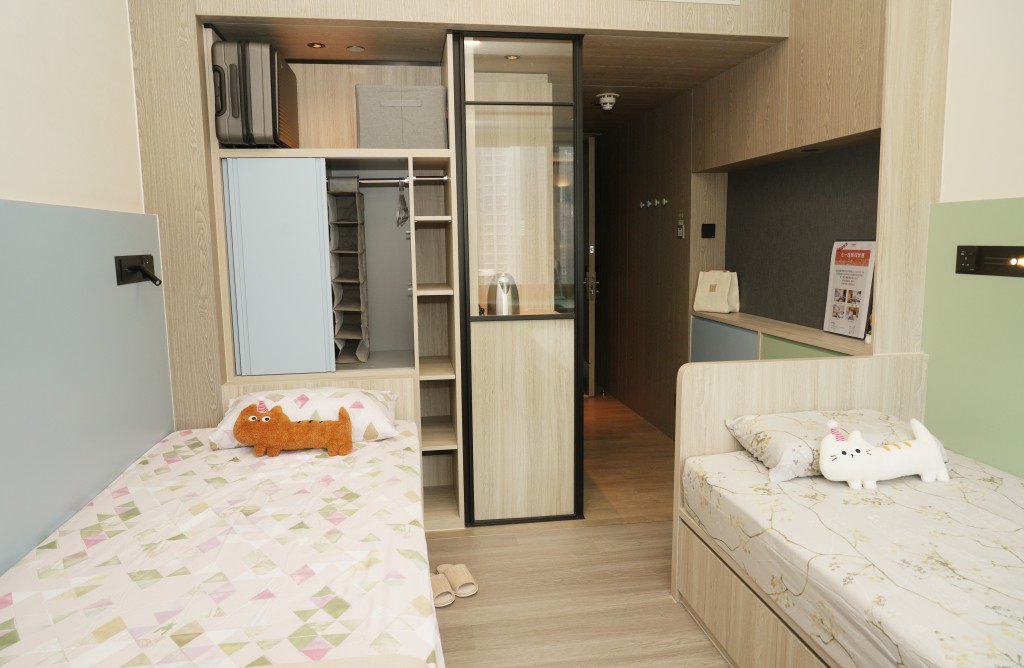
Yet rents at many branded residences remain far above on-campus dorms: twin rooms of around 250 square feet often list at HK$7,000 to HK$10,000 per month or more, leaving per-student costs two to three times that of typical on-campus rates.
Branded student apartment with twin sharing
Recently, a 120-square-foot single room at One Pace 38, a branded student residence in Mid-Levels West, was leased for a lump-sum annual rent of HK$167,200. This translates to a monthly rent of nearly HK$139.3 per sq ft—a premium that surpasses the rental rates of most luxury homes on the Peak.
Meanwhile, many projects require annual prepayment or early spring renewals, leading to students being tight on cash.
More supply has not brought relief since costs have climbed. Antonio Wu, head of capital markets for Knight Frank Greater China, said hotel-to-dorm conversion costs generally range from around HK$500 to HK$800 per sq ft. “Soft services and add-on facilities often make up 20 to 30 percent or more of conversion budgets,” he added.
Antonio Wu
With distressed hotel stock – struggling properties that normally sell at steep discounts – largely absorbed, and acquisition costs rising, supply-side incentives mainly lower development hurdles but do not immediately translate into rent cuts.
In an office and retail downturn, long leases and high occupancy of student housing constitute a defensive play, prompting operators to hold pricing to protect valuations and returns.
Students are still paying up. After missing out on a campus berth, Hang Seng University undergraduate Henry Pan chose a branded residence at HK$8,396 per month for a twin room this year; the university only offered roughly HK$1,000 in subsidies in his first year.
Pan values community, security and weekly cleaning here, but also notes some drawbacks relating to design, such as how “windows are fixed for safety reasons, which limits indoor air circulation and makes the space feel cramped.”
Operators are also trying to limit investment risks. Wu said many use multi-bed layouts to stabilize income, set aside blocks with universities, and retain hotel licenses for a pivot back to tourist use if needed.
Proxy flat checks for mainland students raise licensing concerns
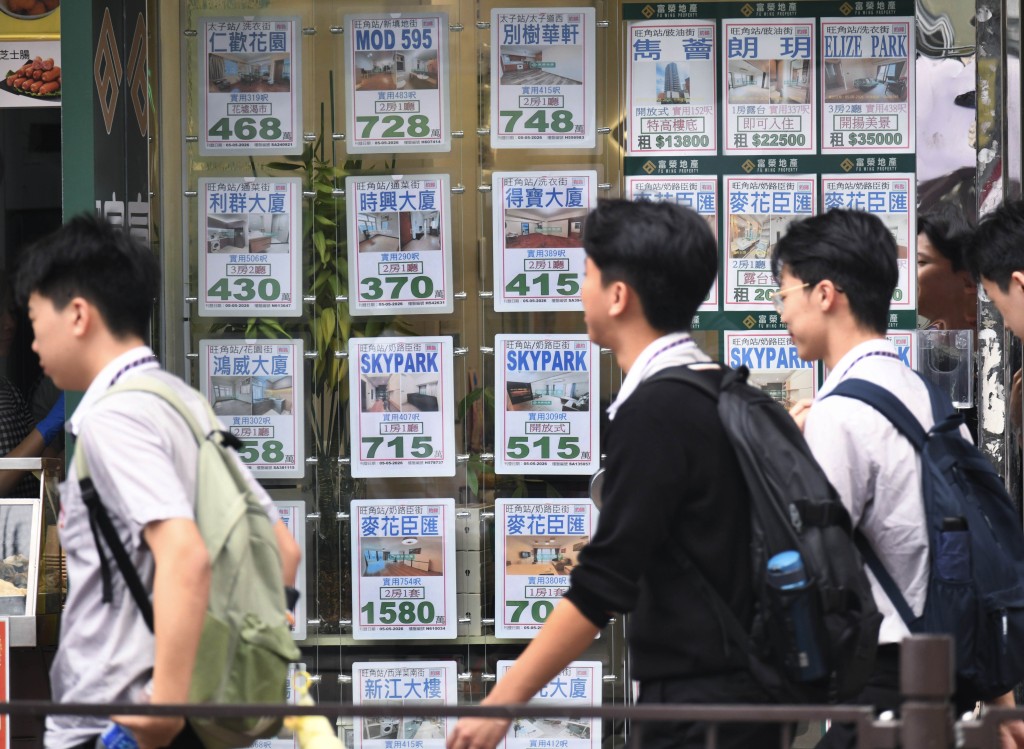
With the summer rental season heating up, mainland students seeking Hong Kong rentals before the new academic year are turning to proxy flat-viewing services, paying a local stand-in to visit flats on their behalf as traveling to Hong Kong only to view flats would be costly and time-consuming.
Proxy flat-viewing has become a common service on mainland social media platforms, with many posts marketed under labels such as “senior student” or “current postgraduate student,” as providers stress they are familiar with the local rental process and can communicate with landlords or agents in Cantonese.
Providers usually ask about the student’s university, budget, preferred district and viewing time, charging 100 yuan (HK$116) to 200 yuan per flat depending on location and urgency.
Students walk past a real estate agency.
Services range from a basic visit with photos, videos, and written comments to more involved assistance such as bargaining over rent, communicating with agents or landlords, reviewing tenancy documents or assisting with signing.
Several providers highlight they are only responsible for viewing the flat, apparently to distinguish themselves from traditional estate agents. But that distinction may be crucial from a legal point of view.
“The proxy viewer found that the building was undergoing mandatory exterior repairs, with scaffolding blocking the bedroom window,” said Ellie Long, who used this service before securing a rental this year. “The agent never mentioned it. I would have been stuck inside for months.”
Solicitor Doreen Kong Yuk-foon said the line can blur when a proxy viewer claims to be only viewing the flat but in practice helps introduce the landlord and tenant, arranges the transaction or assists with signing.
Doreen Kong
While no complaints have been publicly reported, Kong warned the services carry hidden risks, as Hong Kong tenancy matters can involve issues such as subdivided flats, unauthorized works, fraudulent landlords, and mortgage restrictions, risks that an unlicensed student viewer may not be equipped to identify.
For incoming students, Kong said they may rely on an inexperienced proxy viewer to make a rental decision, only to find later that there is no licensed professional or effective complaint channel to turn to if something goes wrong.
If a proxy viewer provides misleading information or holds themselves out as capable of assessing a flat without exercising proper care, the client may have grounds for a claim in breach of contract or negligence, Kong noted.
Kong suggested students with rental needs should use licensed estate agents rather than rely on fellow students, as licensed agents are subject to regulatory oversight and a complaint mechanism.
In a statement to The Standard, the Estate Agents Authority, which regulates Hong Kong’s property agency trade, said whether proxy flat-viewing services involve estate agency work would depend on the facts of the particular circumstances.
Under the Estate Agents Ordinance (Cap 511), estate agency work covers introducing a third party wishing to buy, sell or lease a property, or subsequent negotiations to effect such a transaction. Anyone carrying out such work without a valid license faces a maximum fine of HK$500,000 and two years’ imprisonment upon conviction, it added.
The EAA reminded the public not to engage unlicensed proxies or agents for property transactions, and not to trust advertisements on social media from unknown or unlicensed sources.