Japan’s underlying inflation rate may face stronger upward pressure from rising oil prices and the yen’s declines than in the past as firms have become more active in hiking prices, the Bank of Japan said on Monday.
The observation was part of the BOJ’s staff paper analysing factors defining underlying inflation, or price rises driven by domestic demand rather than cost-push factors, a key concept it has used in explaining the pace and timing of interest rate hikes.
While the recent increase in crude oil prices could hurt the economy, it could heighten the public’s inflation expectations and push up underlying inflation, the BOJ said.
“Attention is warranted to the possibility that upward pressure on prices through this channel may have strengthened compared with the past,” as firms have become more proactive in raising prices and wages, it said.
Changing corporate price-setting behaviour may also mean inflation could be more susceptible to yen falls, the BOJ said, warning of the inflationary pressure that comes from a weak yen pushing up import costs.
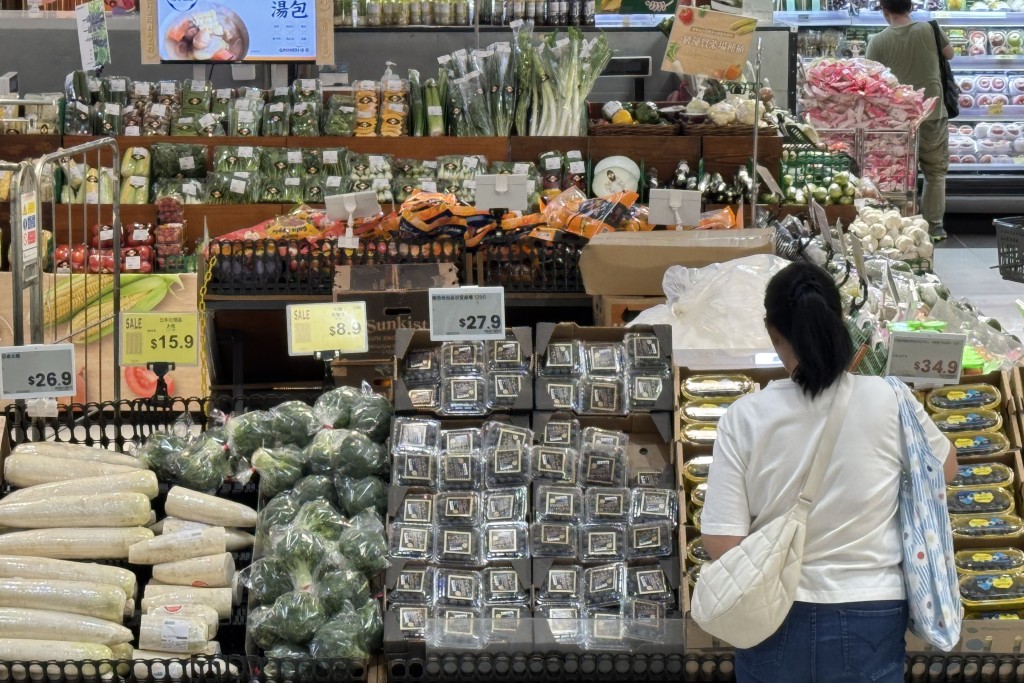
“Even temporary supply-side factors may affect inflation expectations,” the paper said, warning that recent rises in food prices, if they persist, could put sustained upward pressure on overall consumer inflation.
The BOJ ended a decade-long, massive stimulus programme in 2024 and raised short-term rates on the view that Japan was on the cusp of durably hitting its 2 percent inflation target.
The central bank has said it will continue to raise rates if it becomes more convinced that underlying inflation will be stable at 2 percent.
Responding to criticism from analysts that its concept of underlying inflation was too vague, the BOJ explained in the paper how it measures this.
Aside from looking at the output gap, the BOJ scrutinises various price indicators including a new index it disclosed last week that strips out one-off factors like government subsidies, and uses economic models to gauge price trends, the paper said.
It also looks at various surveys to gauge public perceptions on future price moves and constructs its own composite indices, which showed inflation expectations currently in a range of 1.5 percent to 2 percent, according to the paper.
“Looking at factors underlying price developments, the output gap has been on an improving trend, albeit with some fluctuations. Labor market conditions remain extremely tight, and wages are rising moderately,” the paper said.
“Taking these points into account, it could be judged that the underlying inflation rate is rising moderately toward 2 percent,” it said. “Going forward, from the perspective of sustainable and stable achievement of the price stability target, it will also be necessary to monitor whether underlying inflation becomes firmly anchored at around the 2 percent level.”
Reuters