Read More


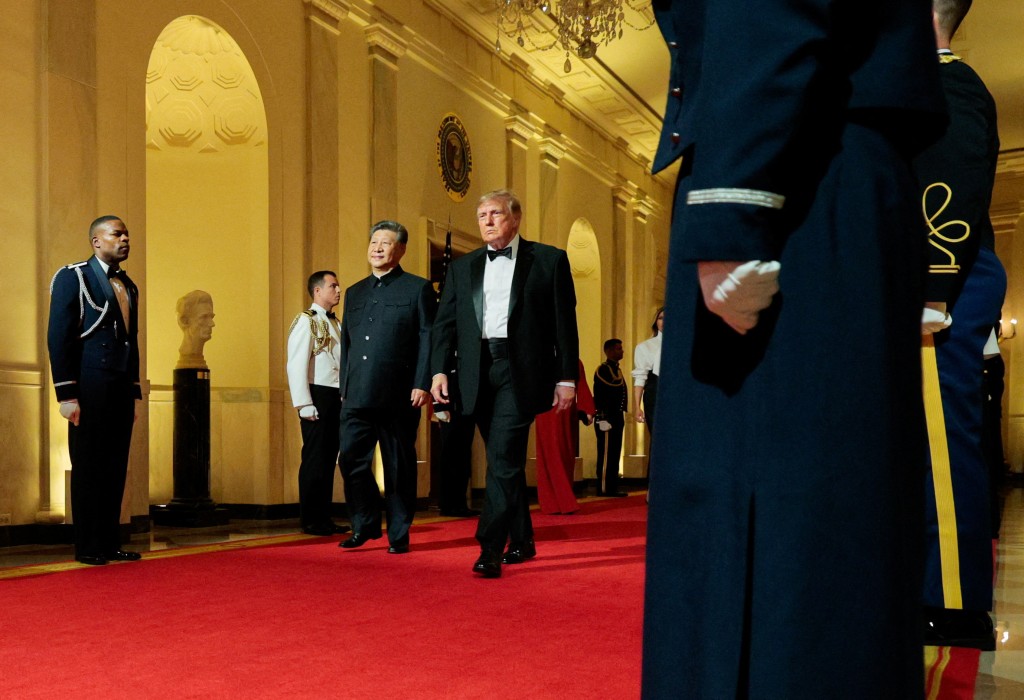
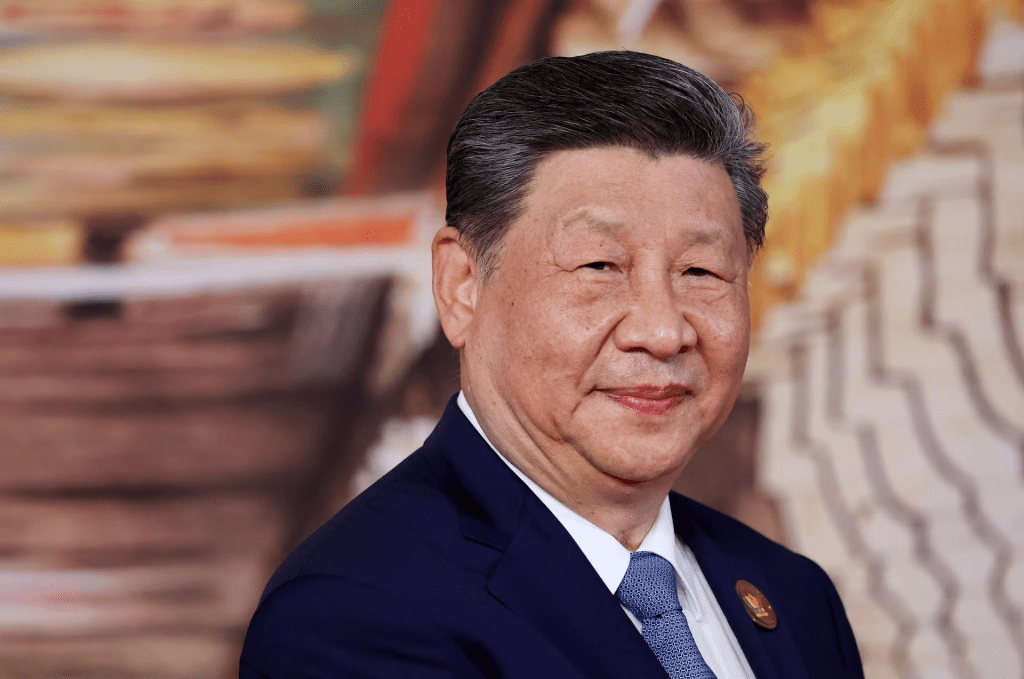

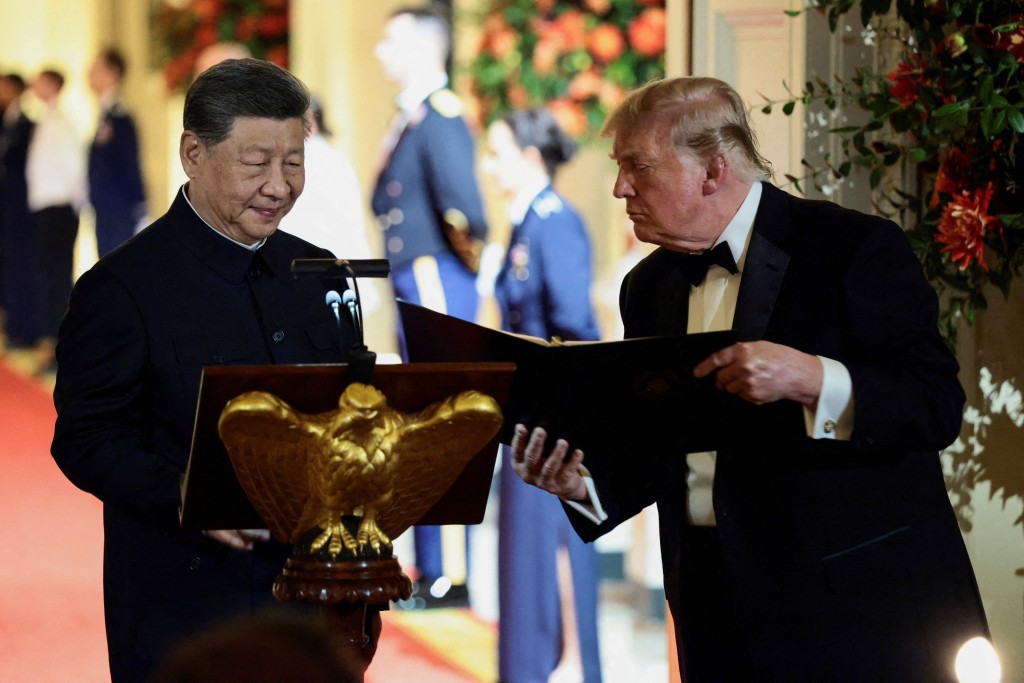

Xi and Trump call for peace in lavish White House state visit
24-09-2026 23:34 HKT


UK denies BN(O) visas to Hongkongers with protest convictions: report
23-09-2026 18:59 HKT



China's Sinopec, the world's biggest refiner by capacity, aims to cut throughput this month by more than 10 percent from its original plan in response to a crude supply gap caused by the war in the Middle East, two sources familiar with its operations said.
The cuts by state-owned Sinopec, which accounts for a third of China's refinery output, are part of Beijing's widening measures to curb oil supply disruptions due to Iran's blockage of the Strait of Hormuz, a conduit for 20 percent of the world's oil.
Throughput is likely to fall by 600,000 to 700,000 barrels per day (bpd) on average in March, the two sources estimated, adding that the cuts exclude losses from plant maintenance planned before the Israel- percent war on Iran began on February 28.
A Sinopec representative said the company does not comment on operational matters.
Sinopec imports roughly 4 million bpd of crude oil, of which 2.4 million bpd come from the Middle East, including regular shipments under yearly contracts from Saudi Arabia, Kuwait, Iraq and Qatar.
China, the world's biggest oil importer, brought in 11.55 million bpd last year, roughly half from the Middle East.
This week, Beijing ordered an immediate ban on exports of diesel, gasoline and aviation fuel to prioritise domestic supply. It also rejected Sinopec's request to tap a government-controlled oil reserve, Reuters reported.
The planned cuts represent a decline of 11 percent to 13 percent from an initial plan to process 5.2 million bpd in March, one of the sources said.
"Sinopec has little option other than cutting runs, and immediately," said the second person.
In Asia, which buys 60 percent of its oil from the Middle East, refiners had already shut at least 1 million barrels of capacity since the start of the war, Reuters has reported.
Nearly 1.9 million bpd of Gulf refining capacity has been shut due to the war, consultancy IIR said on Tuesday.
In a further step to avert a shortage of domestic fuel, Sinopec will focus on maximising fuel output at the expense of petrochemicals production, which garners weaker margins, four people familiar with the matter said.
Sinopec's run cuts include last week's shutdown of an 80,000-bpd crude unit at its Fujian Refining & Petrochemical Corp unit.
That facility also cut operations by 20 percent to 30 percent at its 1.1 million ton-per-year steam cracker, two people said this week.
Separately, Sinopec's Zhenhai Refining and Chemical Corp also slashed operation rates at both of its steam crackers to around 70-80 percent of their combined capacity of 2.2 million tpy, one of the sources said.
On Monday, Sinopec-invested Fujian Gulei Petrochemical shut down its full complex, comprising a 1.1-million-tpy steam cracker, for maintenance through April, the company said in a notice.
Asia's naphtha market is grappling with a lack of supplies, as the region takes about 60 percent of the petrochemical feedstock from the Middle East, with steam crackers cutting runs and declaring force majeure since last week.
Reuters