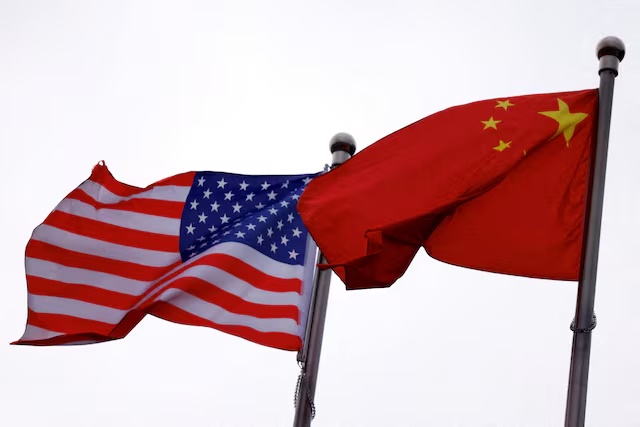
The appreciation of the Chinese yuan against the US dollar does not necessarily indicate a revaluation of the currency or Chinese assets, as it lacks support from underlying fundamentals, a former foreign exchange regulator said.
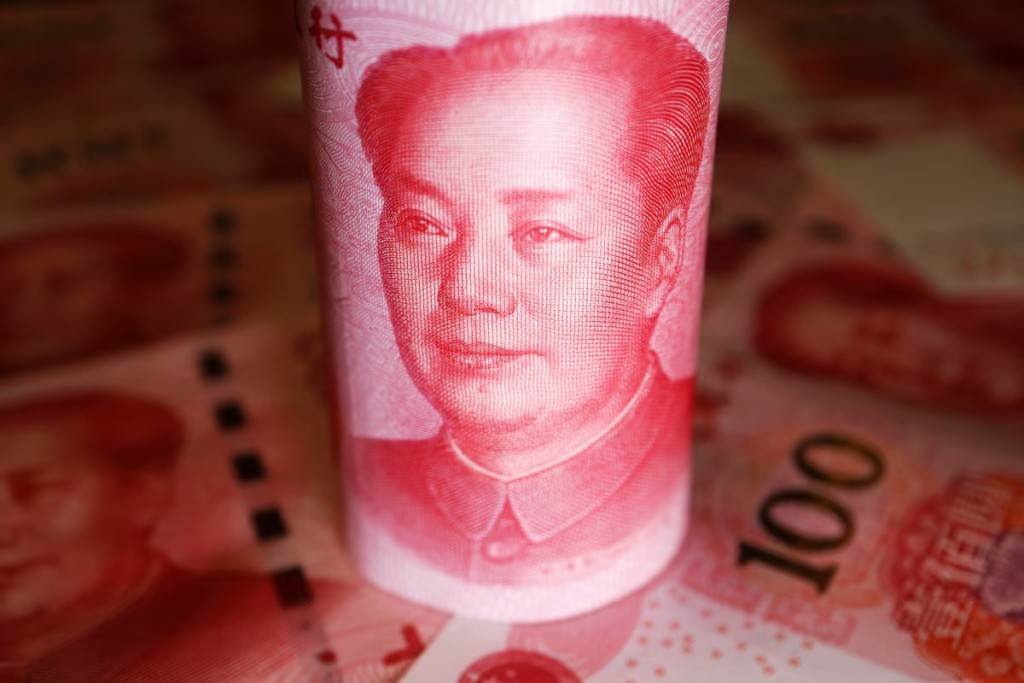
The yuan rose 4.5 percent against the US dollar in 2025, snapping three consecutive years of decline and recording the best annual performance since 2020.
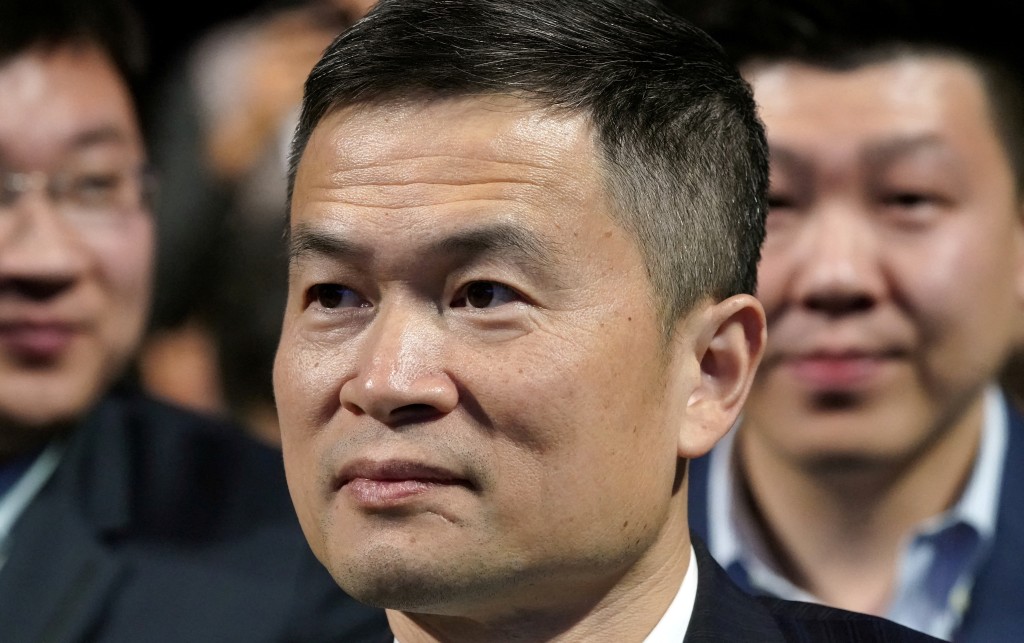
The yuan’s strength has fuelled speculation that the currency is structurally undervalued, said Guan Tao, global chief economist at Bank of China International Securities and a former senior official at the State Administration of Foreign Exchange.
“However … the series of significant assertions appears to lack support from data, facts, or theory,” Guan said in an article published on his official WeChat account late on Sunday.
Guan attributed improvements in foreign exchange conditions largely to waning demand for dollar purchases rather than a stronger willingness to convert foreign currency into the yuan.
Some market participants have cited the yuan’s falling real effective exchange rate (REER) and China’s robust goods trade surplus as evidence of significant undervaluation. However, Guan cautioned against such conclusions.
“In practice, REER depreciation does not necessarily imply that the local currency is undervalued or destined to appreciate,” he said.
China’s REER has fallen about 16.7 percent since its peak in March 2022 through the end of last year, according to the Bank for International Settlements.
“On the domestic front, China’s low price levels, nominal economic growth lagging behind real economic growth, and the economy operating with a negative output gap all indicate that the renminbi exchange rate is overvalued and requires depreciation,” he said.
While China’s annual consumer price inflation accelerated to a 34-month high in December, the full-year rate slumped to the lowest in 16 years and producer prices have fallen for more than three years. The bearish price outlook underscores market expectations for more stimulus to shore up soft demand.
China’s trade surplus topped $1 trillion for the first time in the first 11 months of 2025.
Guan also questioned the assumption that a stronger yuan would attract more capital inflows.
“This is an oversimplification,” he said.
“While appreciation may enhance returns on existing foreign investments, it simultaneously increases the cost of new inflows. Ultimately, whether a stronger yuan draws net foreign capital depends on the balance between these opposing forces.”
Reuter