Chinese electric vehicle makers posted a rise in September deliveries despite intense market competition, although industry leader BYD (1211) recorded a decline.
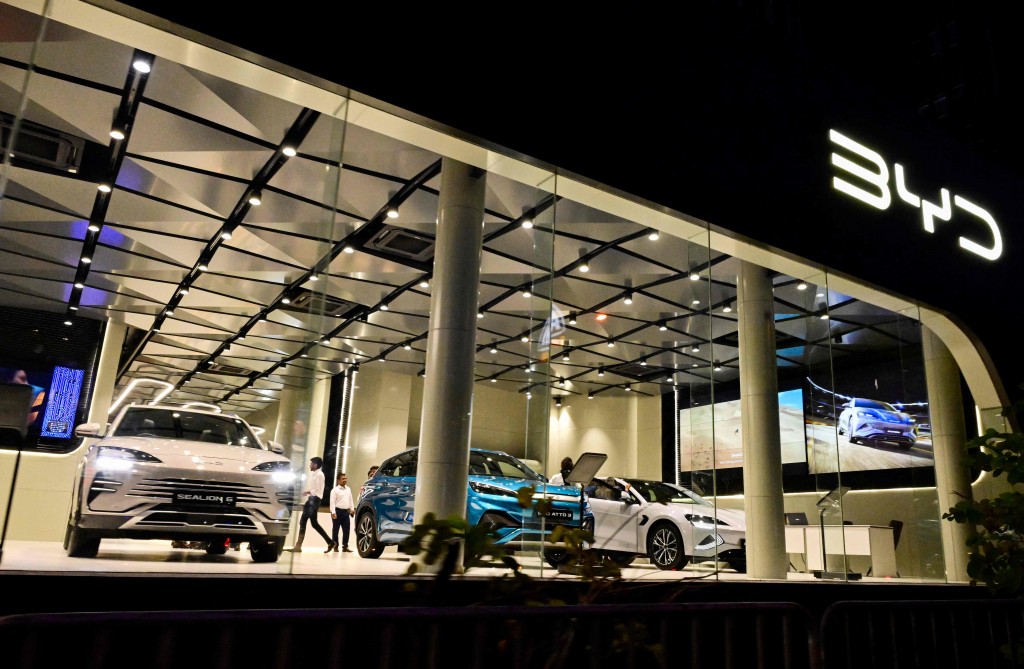
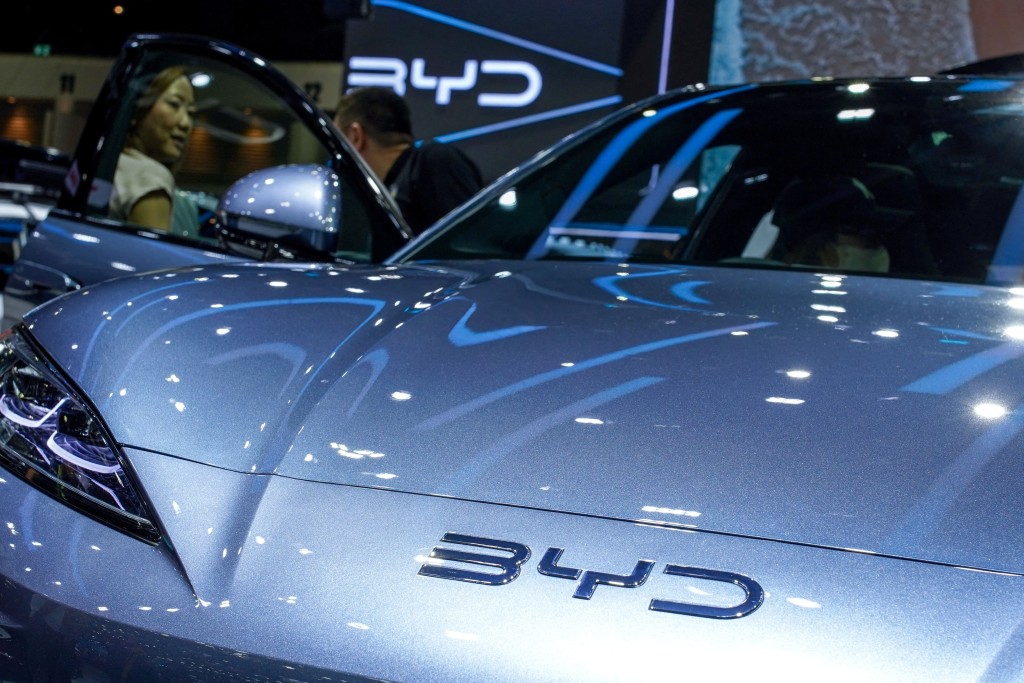
BYD delivered 396,270 new energy vehicles in September, down 5.5 percent from a year ago.
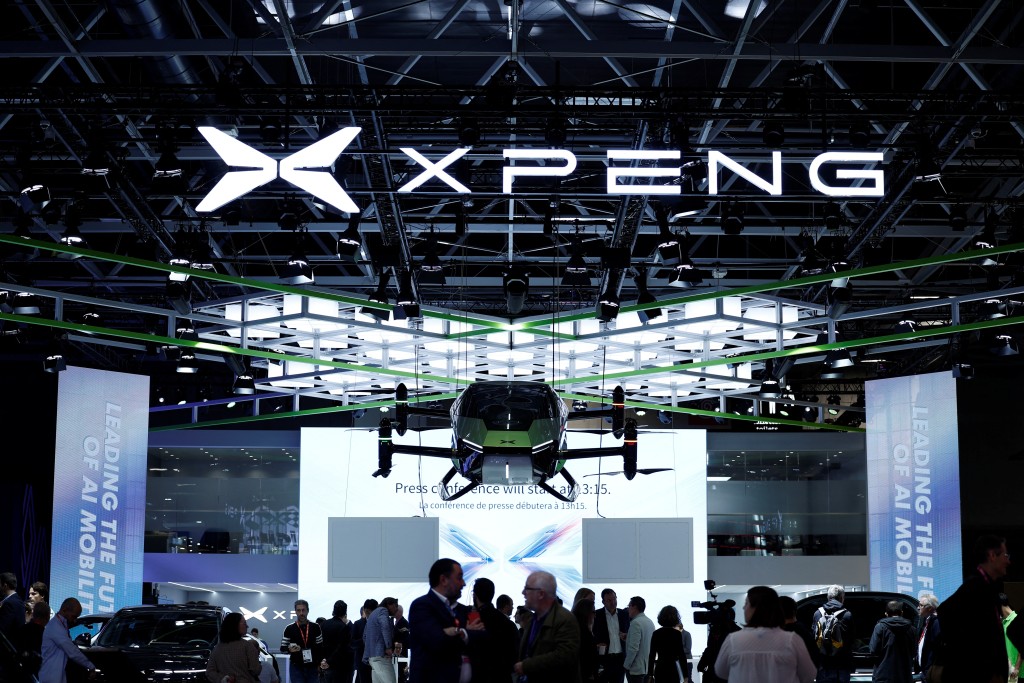
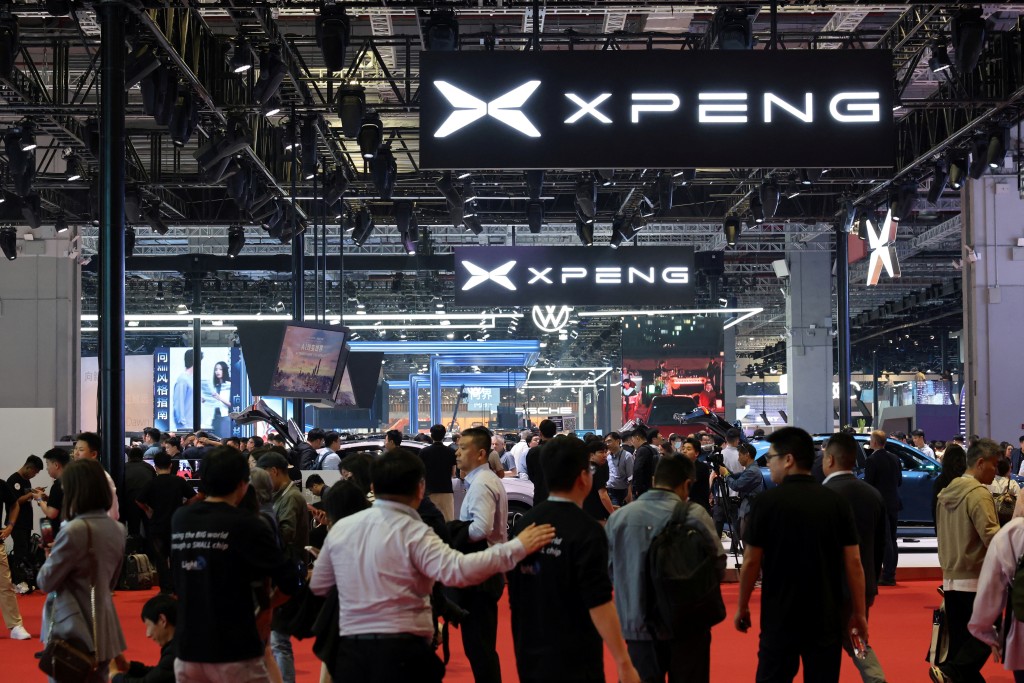
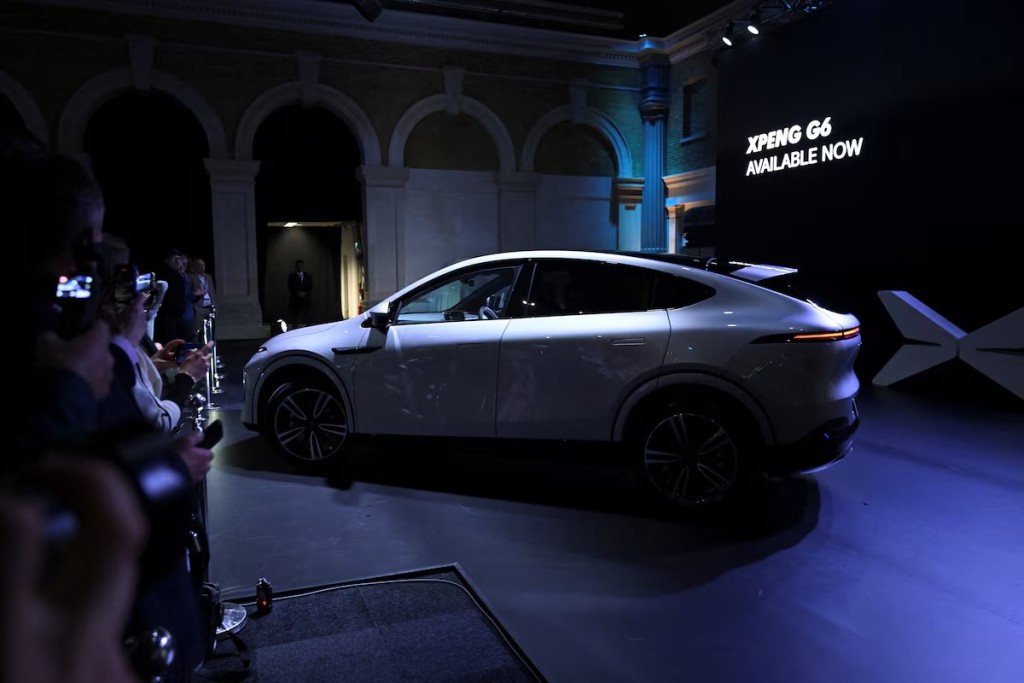
However, Xpeng (9868) said it delivered 41,581 cars in September, a record high, up 95 percent year-on-year and 10 percent from August.
It sold 313,196 units in the first nine months in 2025, marking a 218 percent growth from a year ago.
Xpeng noted the deliveries of its P7+ electric sedans reached 77,000 as of September.
Meanwhile, Zhejiang Leapmotor Technology (9863) said its September deliveries across its model range hit a record 66,657 vehicles, up more than 97 percent year-on-year, marking the first time its monthly sales exceeded 60,000 units.
Xiaomi (1810) said on Weibo that its automotive unit delivered more than 40,000 vehicles in September, up from over 30,000 units in August.
Nio (9866) delivered 34,749 units last month, 64 percent higher year-on-year and Geely Automobile (0175) delivered 165,201 EVs, marking a growth of 81 percent.
However, Li Auto (2015) said it delivered 33,951 cars last month, down 37 percent year-on-year. That has brought its third-quarter deliveries to 93,211, the company said.
In other news, China's state news agency said some automakers were "drastically" inflating pre-sale orders, warning such a practice can mislead consumers and investors and harm the industry's future.
The Xinhua Daily Telegraph, a newspaper published by Xinhua, didn't name any of the automakers but alleged some asked employees to place refundable deposits to create an illusion of strong pre-sale performance while some had engaged with "a grey industry chain" offering the order-padding services.
The orders reported by the automakers lack oversight from third-party agencies and usually far exceed their actual deliveries, it said.
"Such inflated orders are raising alarm within the industry," the newspaper said, adding the practice has drawn regulatory attention.
Also, new data from Rhodium Group showed Chinese electric car makers invested more abroad than at home for the first time in 2024, as fierce domestic competition makes it almost impossible for manufacturers to turn a profit.
STAFF REPORTER AND REUTERS