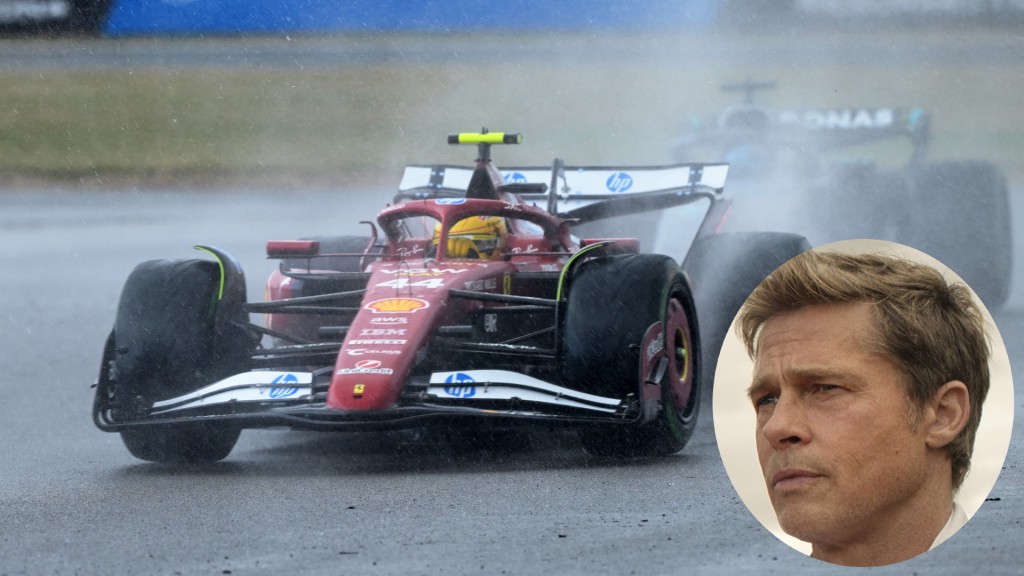
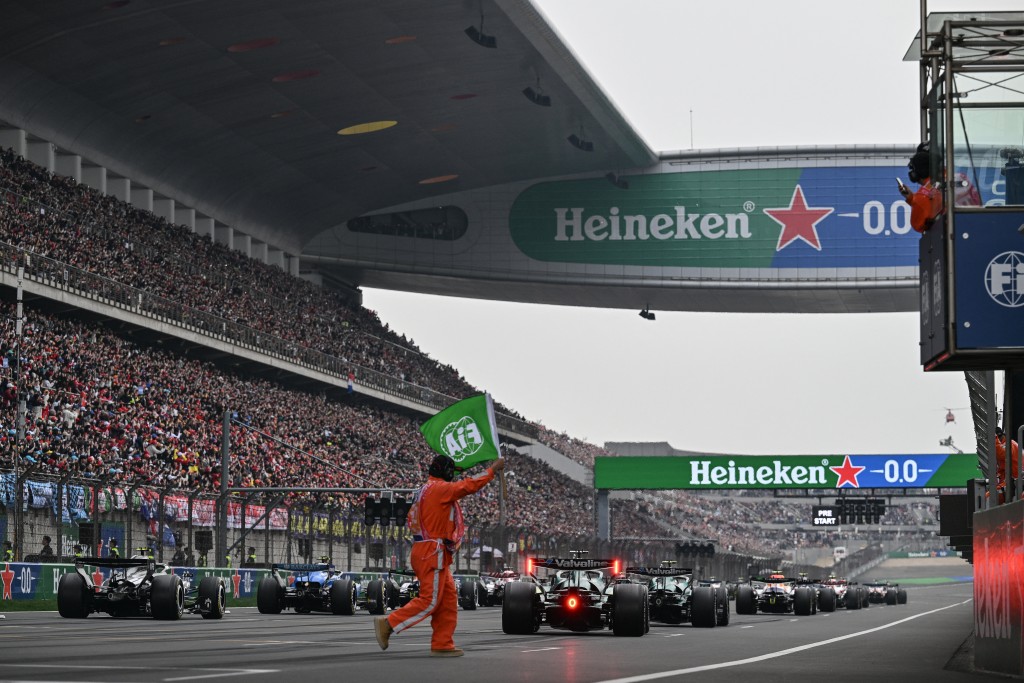
A high-speed blockbuster, starring Brad Pitt and centered around the world's fastest motorsport, "F1", has taken the global box office by storm, crossing a staggering US$300 million (HK$2.34 billion) in just two weeks, according to East Week magazine, sister publication of The Standard.
From films to sporting events, the commercial empire of Formula One is rapidly expanding, and the driving force behind it all is American media giant Liberty Media, which acquired F1 for US$8 billion in 2017.
Liberty Media managed to build the F1 empire in eight years via four strategies – digital content, overseas expansion, Netflix's "Formula 1: Drive to Survive", and relaxed driver promotion rules. Through sponsorship, it turned F1 into a US$3.4 billion global entertainment empire.
Originally a niche European tech race with low commercial value, F1 had empty ads, scattered TV rights and self-funded teams.
In 1981, Bernie Ecclestone centralized media rights via the Concorde Agreement, raising revenue to US$1.8 billion through TV deals and hosting fees.
But his pay-TV focus missed digital trends, cutting European viewership 30 percent by 2017.
John Malone, chairman of Liberty Media, saw potential in F1's 400 million global audience, nine-month season, untapped US market and undeveloped digital space, with contracts worth US$9 billion.
Liberty Media embraced F1 with digital media, taking the 2019 Netflix documentary as a pivotal turning point, showcasing behind-the-scenes stories and bringing F1's excitement to a global audience. Also, relaxing restrictions on driver promotions enabled teams to create digital content and share race highlights on YouTube, boosting F1's visibility and turning drivers into social media stars.
F1’s seven-time champion Sir Lewis Hamilton has gained 40 million Instagram followers, making him a fashion icon. Due to the transformations of F1, his collaborations with Tommy Hilfiger and Dior is an example of how F1 has expanded their reach from racing to pop culture.
The growth of F1 in emerging markets like China, Saudi Arabia and Canada has been significant, with China's viewership surging 50 percent since 2019 to over 14 million last year.
Sponsorship revenue doubled to US$630 million by last year, attracting premium corporations like LVMH with a 10-year deal. Global marketing drew mainstream partners such as Nestle's Kit Kat, with McDonald's, Lego and Disney collaborations launching next year.
Last year, F1 Group's total revenue exceeded US$3.4 billion, with broadcasting rights accounting for 33 percent, race hosting fees making up 29 percent, and sponsorship revenue contributing 20 percent.
Since launching Apple TV+ in 2019, Apple has invested US$20 billion in original content, mostly critically acclaimed but commercially underwhelming, with annual losses over US$1 billion.
With a budget of US$250 million to US$300 million, the film "F1" has resonated with audiences, positioning itself as Apple’s first potential box-office hit.
Now, Apple is competing with Disney’s Entertainment and Sports Programming Network for US F1 broadcast rights from 2026.
ESPN’s current deal costs US$85 million yearly, but the new contract may rise to US$120 million annually, reflecting F1’s growing appeal.
(Anson Luk)
READ MORE
How Lewis Hamilton and Apple brought F1 racing to the movie screen
Thai cabinet approves $1.2 bln bid to host Formula 1 race in 2028
Apple under pressure to shine after AI stumble