





Read More





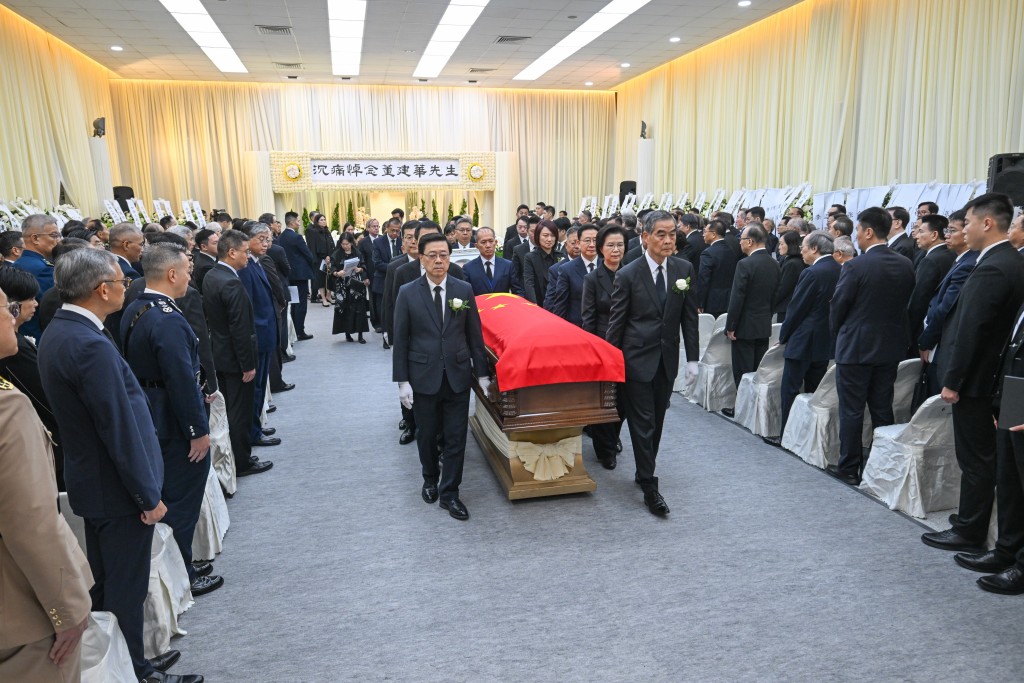
John Lee and CY Leung lead pallbearers for Tung Chee-hwa
20-09-2026 15:54 HKT
Law Society proposes allowing solicitors to be appointed Senior Counsel
21-09-2026 01:56 HKT


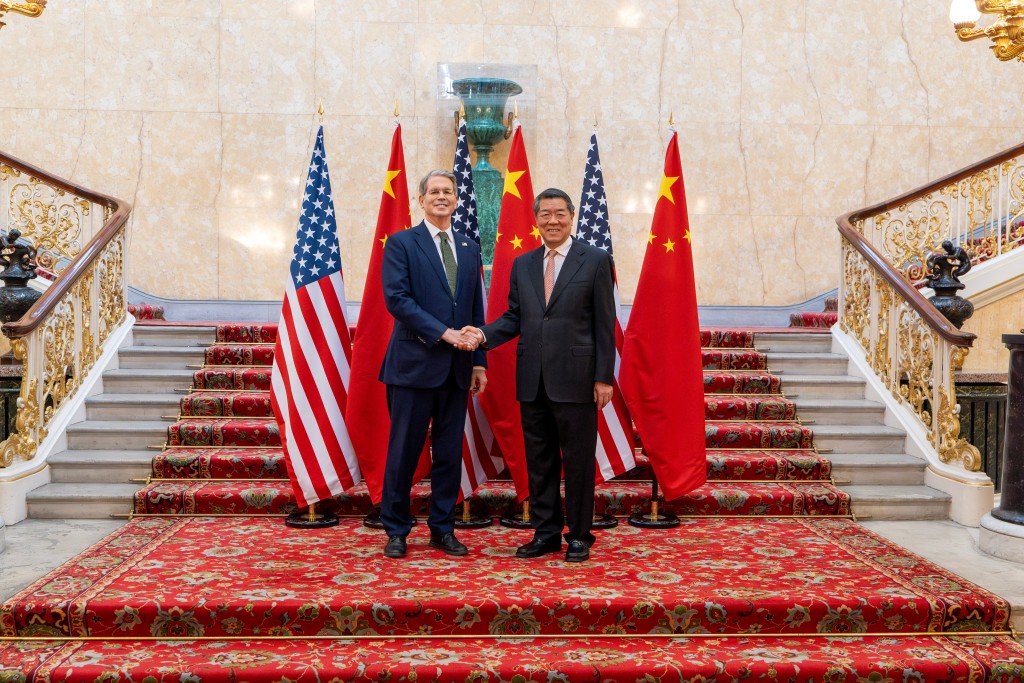
U.S.-China trade talks were set to extend to a second day in London as top economic officials from the world's two largest economies sought to defuse a bitter dispute that has widened from tariffs to restrictions over rare earths, threatening a global supply chain shock and slower economic growth.
Talks at Lancaster House, an ornate U.K. government mansion, wrapped for the night on Monday and were set to resume at 10 am BST (17.00 GMT+8) on Tuesday, a U.S. source familiar with the negotiations said.
Washington and Beijing are trying to revive a temporary truce struck in Geneva that had briefly lowered trade tensions and calmed markets.
Since then, the U.S. has accused China of slow-walking its commitments, particularly around rare earths shipments.
U.S. President Donald Trump on Monday put a positive spin on the talks, saying that they were going well and he was "only getting good reports" from his team in London.
"We're doing well with China. China's not easy," Trump said, offering no details on the substance of the discussions.
Asked about lifting export controls, Trump told reporters at the White House: "We're going to see."
White House economic adviser Kevin Hassett had said earlier on Monday that the U.S. team wanted a handshake from China on rare earths after Trump said Chinese President Xi Jinping agreed to resume shipments in a rare call between the two leaders last week.
Hassett told CNBC in an interview that the U.S. would expect export controls to be eased and rare earths released in volume immediately afterwards.
The London talks come at a crucial time for both economies, which are showing signs of strain from Trump's cascade of tariff orders since his return to the White House in January.
Customs data showed that China's exports to the U.S. plunged 34.5 percent year-on-year in May in value terms, the sharpest drop since February 2020, when the outbreak of the COVID-19 pandemic upended global trade.
In the U.S., business and household confidence has taken a pummeling, while first-quarter gross domestic product contracted due to a record surge in imports as Americans front-loaded purchases to beat anticipated price increases.
So far, the impact on inflation has been muted and the jobs market has remained fairly resilient, though economists expect cracks to become more apparent over the summer.
Attending the talks in London are U.S. Treasury Secretary Scott Bessent, Commerce Secretary Howard Lutnick and U.S. Trade Representative Jamieson Greer. The Chinese contingent led by Vice Premier He Lifeng includes Commerce Minister Wang Wentao and the ministry's chief trade negotiator, Li Chenggang.
The inclusion of Lutnick, whose agency oversees export controls for the U.S., is one indication of how central rare earths have become. Some analysts saw it as a sign that Trump is willing to put recently imposed Commerce Department export restrictions on the table.
China holds a near-monopoly on rare earth magnets, a crucial component in electric vehicle motors.
Lutnick did not attend the Geneva talks at which the countries struck a 90-day deal to roll back some of the triple-digit tariffs they had placed on each other.
Meanwhile, the U.S. court fight over an effort to invalidate Trump's tariffs on goods from China and other trading partners advanced on Monday with the Trump administration filing arguments in its appeal of a U.S. trade court's ruling that the levies exceeded Trump's legal authority.
The federal appeals court could rule at any time on the Trump administration's request to keep the tariffs in place while the appeal proceeds. It could go all the way to the Supreme Court.
REUTERS