Read More
China saw record outflows of foreign direct investment last year, an exodus that threatens to persist after the resumption of a trade war with the US.
ADVERTISEMENT
SCROLL TO CONTINUE WITH CONTENT
Net FDI dropped by US$168 billion (HK$1.31 trillion) in 2024, according to the State Administration of Foreign Exchange, the biggest capital flight in data going back to 1990. Foreign investment into China has slumped in recent years after hitting a historical high of US$344 billion in 2021.
International companies have been pulling back just as domestic firms also rapidly moved money abroad. Chinese investors sent US$173 billion overseas, while foreign investors only channeled US$4.5 billion into the country, the lowest amount since 1992.
Staunching the outflow of capital will be a challenge after China and the US started another round of the trade war that could embroil more companies.
President Donald Trump has imposed 10 percent tariffs on all Chinese products, while China has hit back by retaliating in a number of areas, including a probe into Google and a blacklisting of Calvin Klein owner PVH. The Wall Street Journal reported that China is also considering investigating Apple, Broadcom, and Synopsys.
Sentiment Sours
The slowdown in China’s economy and rising geopolitical tensions have already led some companies to reduce their exposure. At the same time, the abrupt shift to electric vehicles in China also caught foreign car producers off guard, prompting some to withdraw or scale back their investments.
SAFE’s data, which tracks net flows, can reflect trends in foreign company profits, as well as changes in the size of their operations in China. Beijing has cut interest rates well below most developed nations to stimulate the economy, giving multinationals more reason to keep cash outside China and resulting in a repatriation of funds that’s likely masking some new investments.
While there was a net drop of almost US$13 billion in the amount of FDI liabilities in the first three quarters of last year, new inbound capital investment reach almost US$20 billion, according to a statement released by SAFE late last year.
That suggests the overall fall in the amount foreign firms have invested in China is mostly driven by such factors as debt repayment and profit repatriation. SAFE has also pointed to these factors to explain the drop-off in investments, according to a local media report last year.
BLOOMBERG
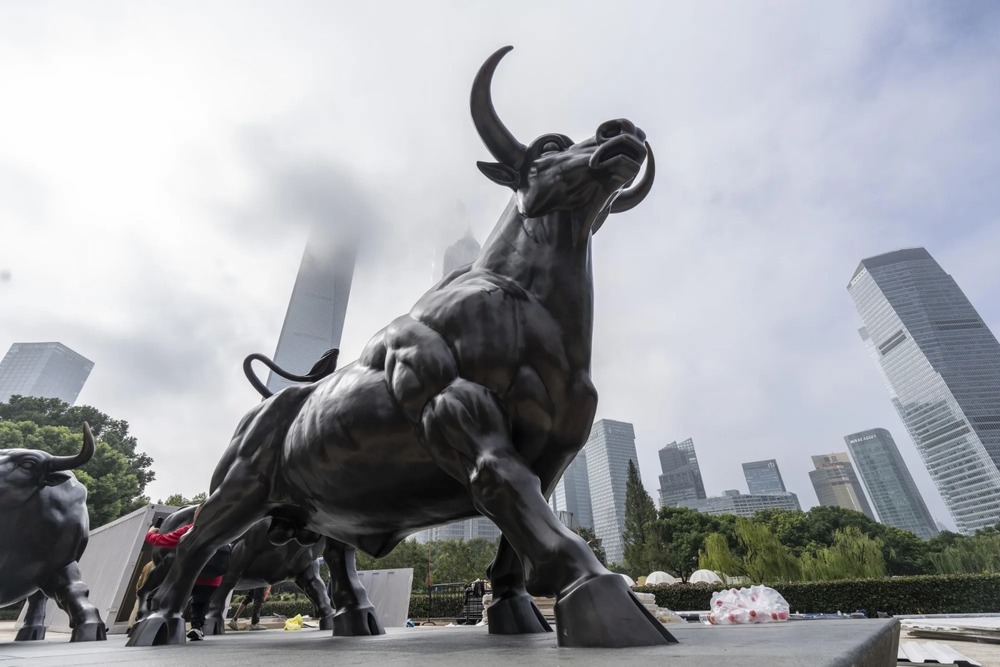
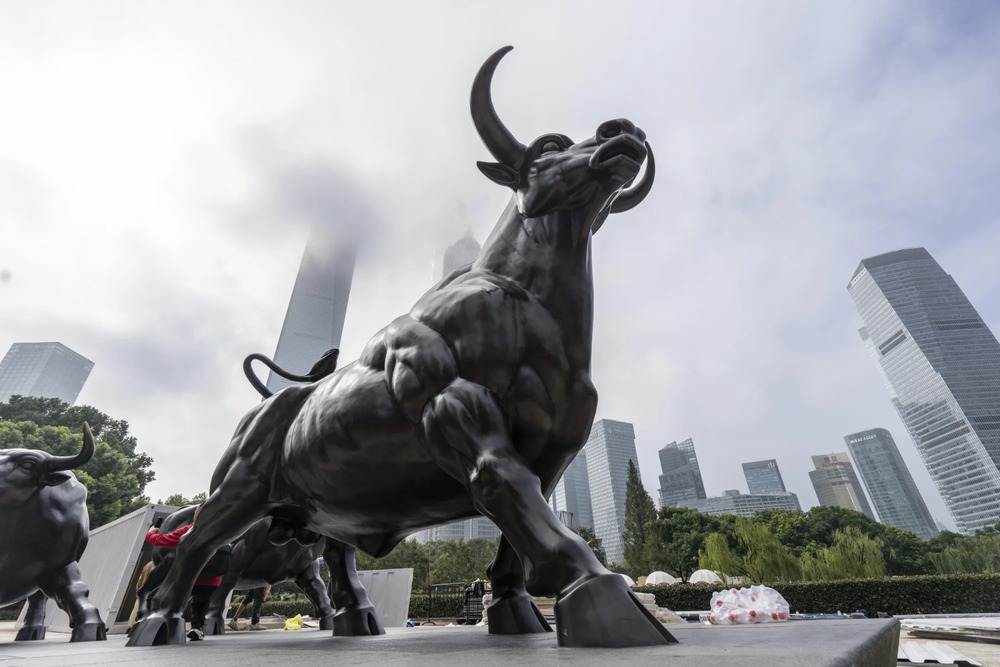
Pudong's Lujiazui Financial District, in Shanghai. Bloomberg