Read More
China's initial proposal to tariffs imposed by US President Donald Trump's administration will centre on restoring the "Phase 1" trade deal signed in 2020 during Trump's first term, the Wall Street Journal reported, citing sources.
ADVERTISEMENT
SCROLL TO CONTINUE WITH CONTENT
Other parts of China's plan will include a pledge to not devalue the yuan, an offer to make more investments in the US and a commitment to reduce exports of fentanyl precursors, according to the WSJ report.
On Saturday, Trump imposed 25 percent tariffs on Mexican and most Canadian imports and 10 percent on goods from China over fentanyl, a deadly opioid, and illegal immigration.
China denounced the imposition of tariffs on its imports and pushed back on fentanyl, but left the door open for talks with the U.S. that could avoid a deepening conflict. In contrast, Canada, a long-time ally of the US, slapped retaliatory tariffs of 25 percent on C$155 billion (HK$819.4 billion) of U.S. goods.
The Phase 1 trade deal Trump signed with Beijing in 2020 ended a nearly two-year tariff war at that time. The deal required China to increase purchases of US exports by US$200 billion (HK$1.56 trillion) over two years, but Beijing failed to meet the targets as the COVID-19 pandemic hit.
Reuters reported in January that Trump had directed the USTR to assess China's performance under that trade deal.
The Journal report also added that Beijing planned to treat TikTok largely as a "commercial matter," meaning it would let investors in Chinese owner ByteDance negotiate a deal with interested bidders in the US.
Trump has previously said that he was in talks with multiple people over buying TikTok, including Microsoft, and would like to see a bidding war over the app.
The US Department of Commerce did not respond to a request for comment on the WSJ report outside regular business hours.
China's commerce ministry was not immediately contactable for comment on the report due to the Lunar New Year holiday.
REUTERS
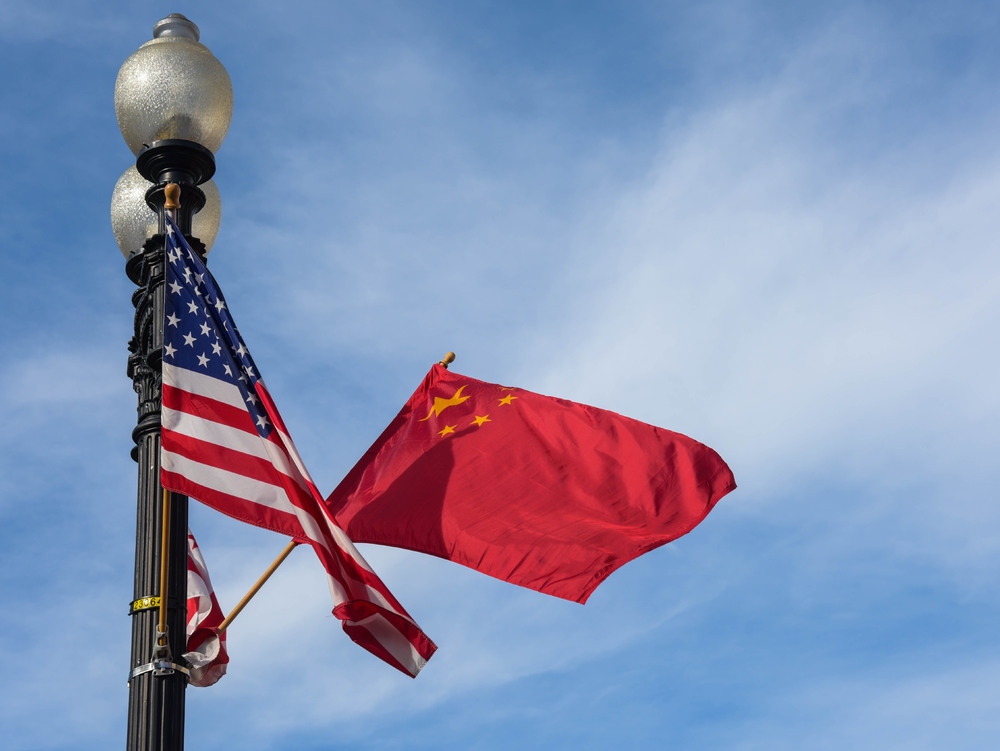
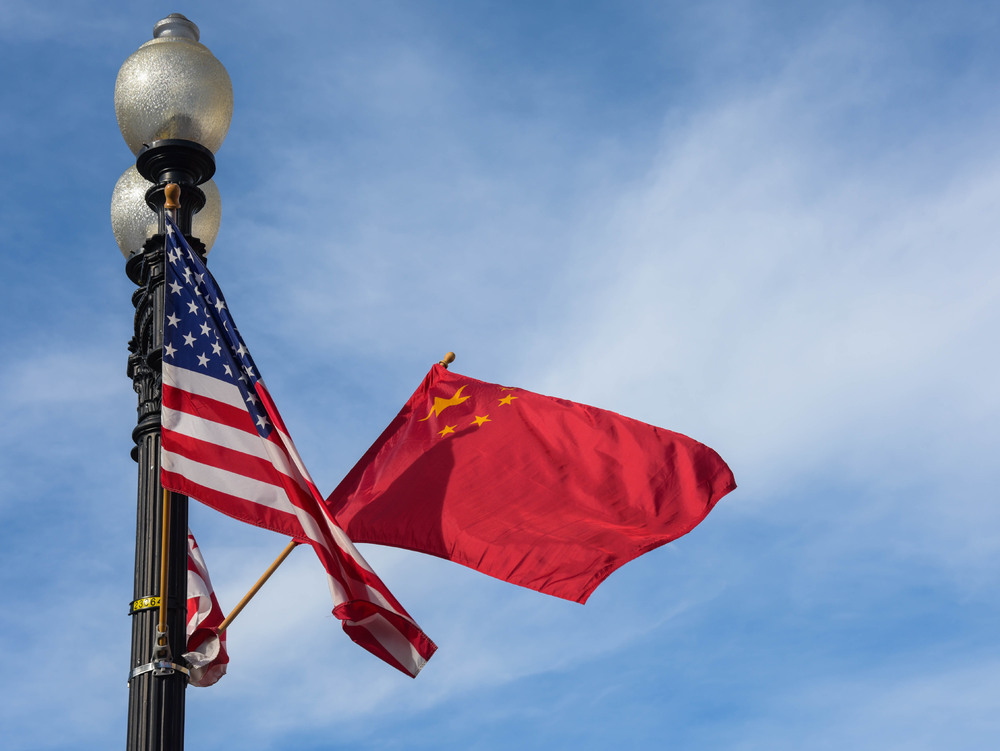
China's and US’ flags on the streets of Washington. Xinhua