Read More













One of the biggest telemedicine providers in the United States will spend more than US$18 billion to stoke an approach to care that grew explosively during the pandemic and recently received an endorsement from President Donald Trump.
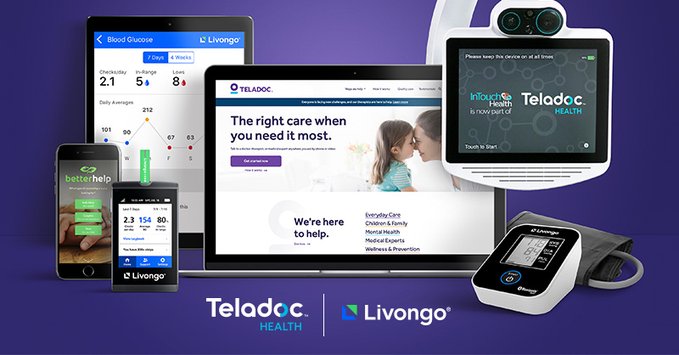
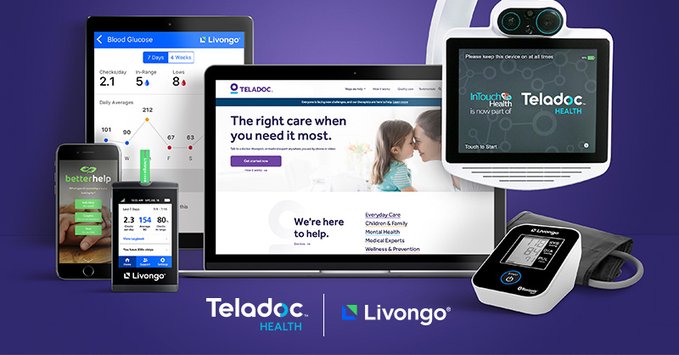
Teladoc Health Inc. plans to dive deep into managing the health of patients with diabetes and high blood pressure with a cash-and-stock deal for Livongo Health that’s expected to close later this year.
Shares of both companies tumbled Wednesday after they announced the deal, a sign that Wall Street thinks Teladoc may be paying too much for a stock that has already seen a nearly five-fold increase in price this year.
Telemedicine involves care delivered remotely, often with a live video connection through patient smartphones or tablets. Millions of patients were forced to try it for everything from routine care to checkups with specialists after the coronavirus shut down much of the economy earlier this year.
Teladoc said late last month that its total visits tripled in the recently completed second quarter to 2.8 million, and revenue grew by 85 percent. The company also said it expects gains to spill over into 2021, when it projects revenue growth of between 30% and 40%.
Telemedicine has been around for years, and a growing number of employers have offered it to their workers as a way to save money and improve their access to care.
The practice was relatively slow to catch on with many patients before the virus. But now there’s growing momentum to keep some of telemedicine’s gains after the pandemic finally fades.
Teladoc CEO Jason Gorevic said the pandemic accelerated an inevitable shift to more virtual care for patients. He said his company saw a big bump in business because of the virus, but Teladoc continues to see higher use rates even in markets where the pandemic has waned.
“People have realized the power of virtual care, and they’re not going back,” he told The Associated Press on Wednesday.
The Trump administration announced on Monday that it was taking steps to give telehealth a broader role for patients who live in rural communities and are covered by the federal government’s Medicare program for those age 65 and older.
There’s also bipartisan support in Congress for a broader expansion of telemedicine coverage to make it a more regular option for people living in cities and suburbs.
Health care researchers say they expect the practice to play a greater role in health care once the pandemic finally fades. That’s partly because people have become more used to it, and they may be more wary now of sitting in waiting rooms filled with other sick patients.
But before that happens, health insurers need to figure out whether they should make some pandemic-driven coverage expansions of telemedicine permanent and how much they should pay for the practice.
Doctors also see a greater role for telemedicine in monitoring people with chronic conditions like high blood pressure or diabetes. That could involve remotely checking blood pressure or blood sugar levels to detect abnormal changes.-AP