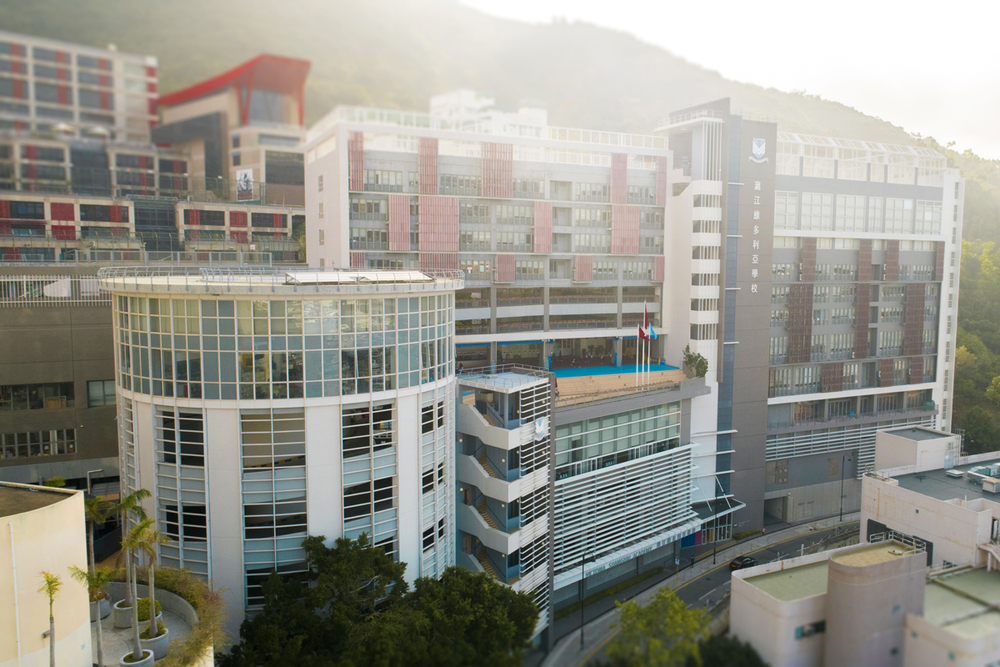
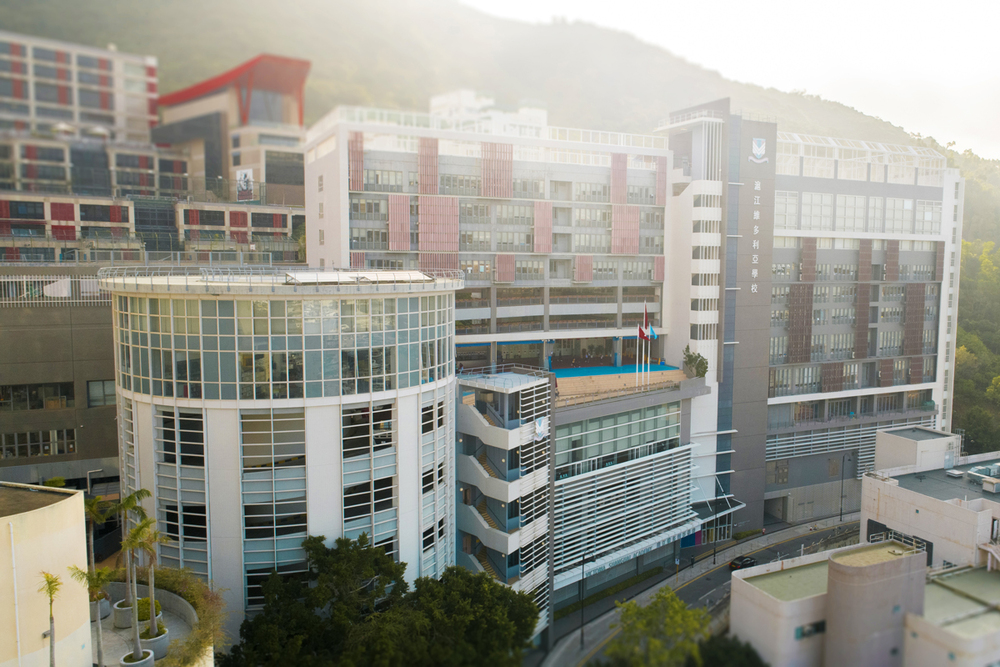
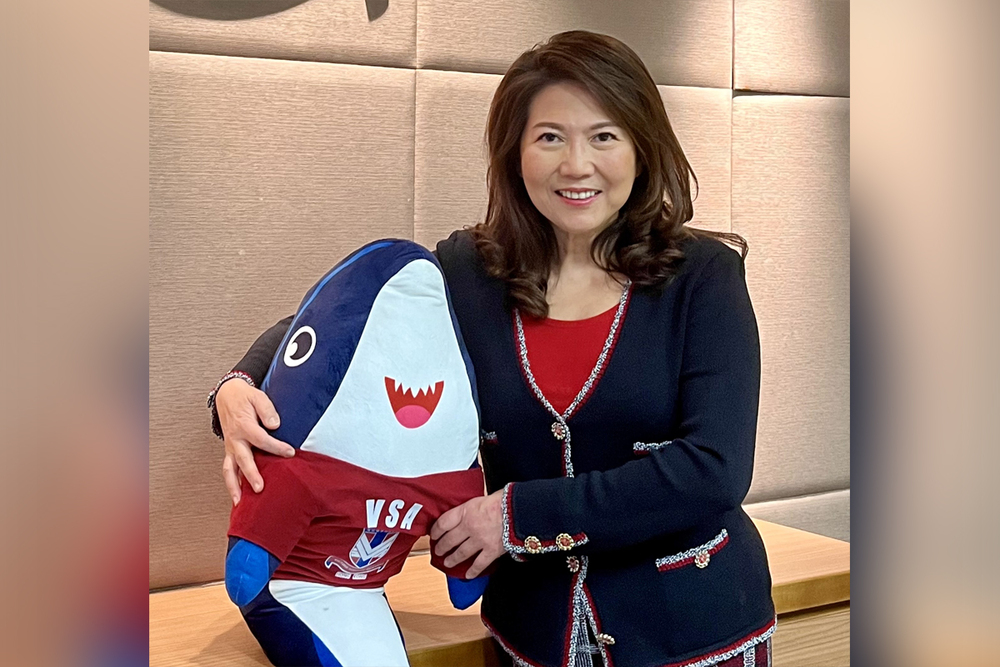
The Innovation and Technology Team at Victoria Shanghai Academy (VSA) collaborated with class teachers in leading their students to develop their own STEM solutions to real-world problems since the start of their through-train IB journey. From Year 1 where our students explore using their 'individual creativity' to solve problems, to Year 12 where they develop effective solutions to global issues impacting the world, our goal at VSA is to encourage our students to apply their knowledge of science and technology to make improvements. By introducing STEM resources early on, we create a supportive environment for our students to explore and to spark their passion for their future careers using STEM skills." says Dr. Maggie Koong, Head of Academy at VSA.
ADVERTISEMENT
SCROLL TO CONTINUE WITH CONTENT
Year 11 Students Solving Environmental Pollution by Creating Biodegradable Plastic
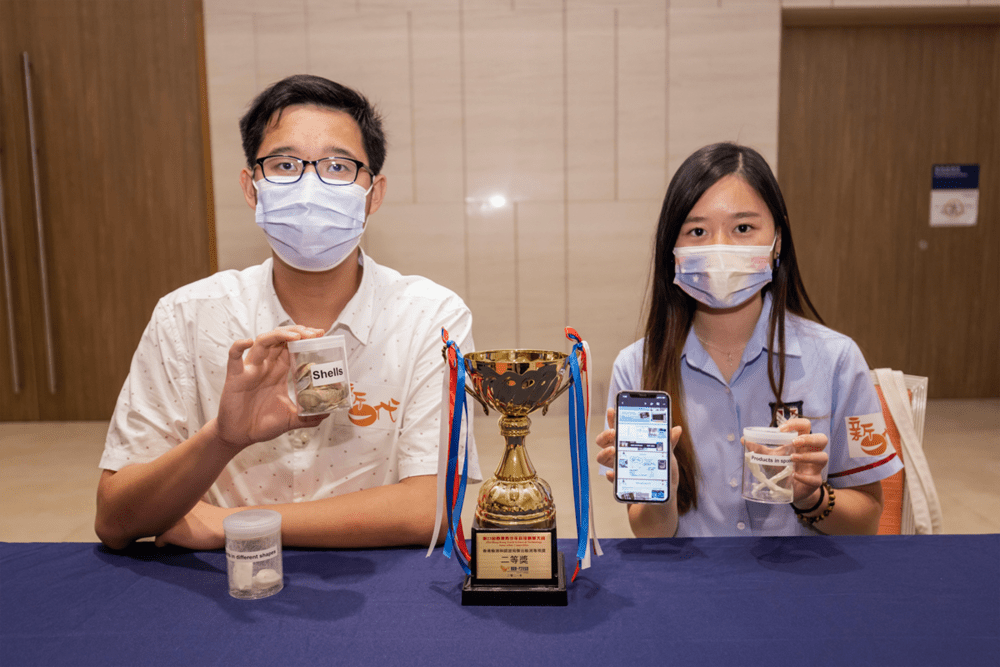
In taking an active part in protecting the ocean wildlife, VSA students took initiative in creating biodegradable plastic using clamshells. The project took gold in The Global Youth Science and Technology Bowl.
"The problem of plastic pollution in Hong Kong is an urgent issue. With the guidance of school teachers, we have worked tirelessly to conduct various tests, such as the product’s toughness, strength, and water absorption to ensure its quality and safety. Ultimately, we used clamshells commonly found in food waste; demineralized them, and extracted their chitin to make biodegradable plastics. We hope to continue with our work until the plastic reduction goal is achieved one day.”
Year 10 Students Upcycling Food Waste into a Biobased Fertilizer Alternative
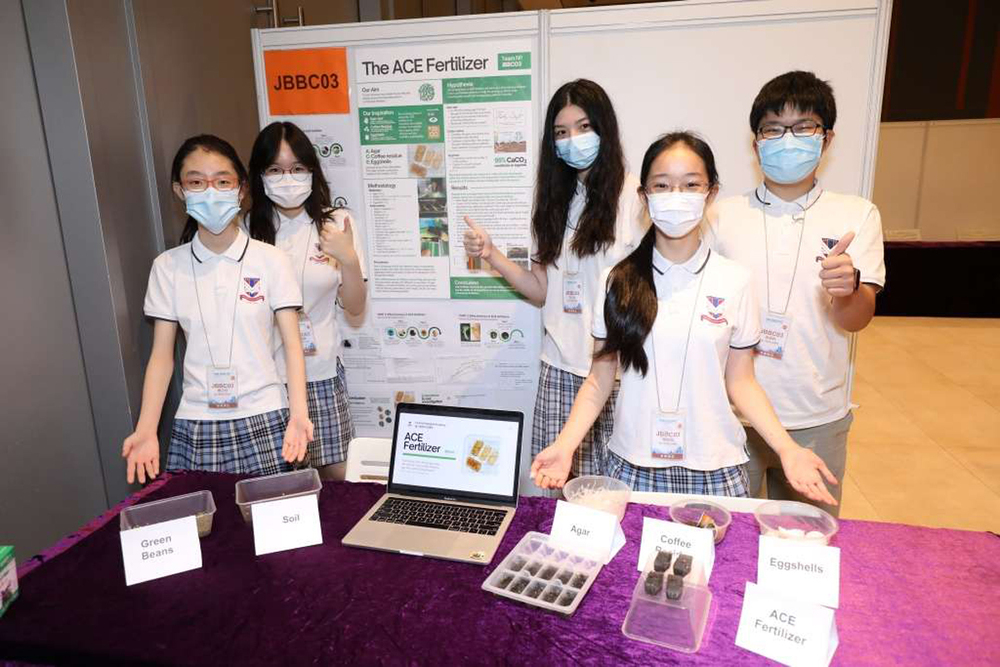
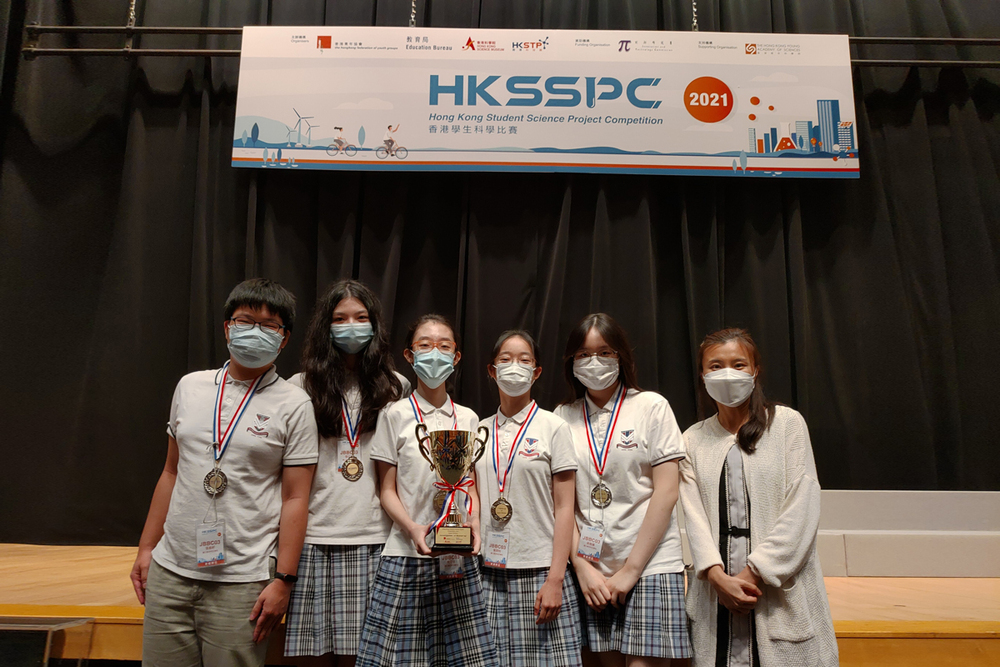
Common food waste was experimented on by a group of Year 10 students and was successfully converted into a biobased alternative to commercial fertilizer. The experiment took the first runner-up in the Hong Kong Student Science competition 2021.
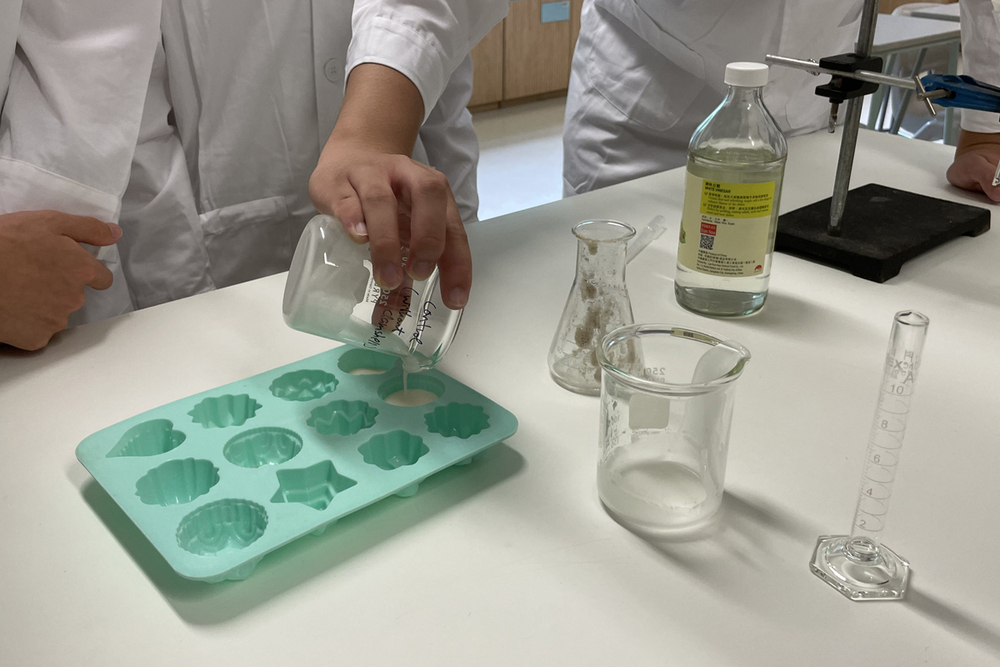
“We developed a biobased fertilizer that was created using leftover agar, coffee residue and eggshells. In our investigation, we have proven it to be an effective, natural, and economical alternative to commercial fertilizers. I am also experimenting with extracting potassium from bananas, using the knowledge gained from both biology and inorganic chemistry, so to discover potential usage of banana peel waste. By bringing these natural alternatives to the market, we could help reduce the environmental impacts of wasted food and take our part in fighting climate change.”
Year 12 Kevin Tackling Water Over-Consumption by Developing an Incremental Innovation to Taps and Sinks
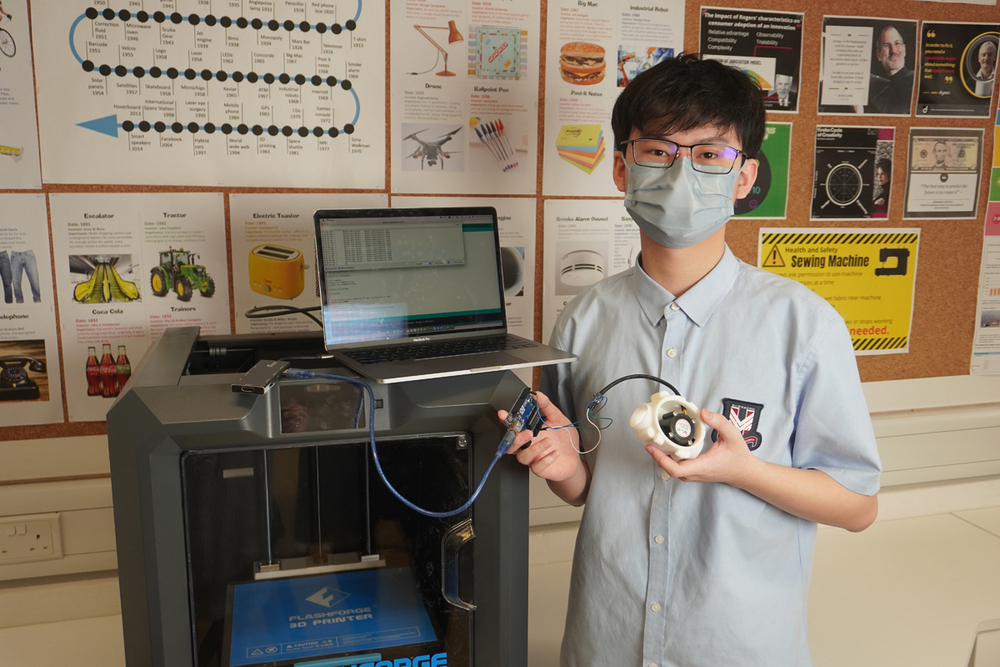
As part of the IB programme’s Design Technology class, a Year 12 student Kevin developed a modern dual usage meter-filter to combat the increasing water scarcity issue being faced globally.
“In my effort to tackle the over- consumption of water, I decided to make an incremental innovation by creating a water meter-filter, that can inform users immediately of the total amount of water usage on their water taps or showerheads. I took great consideration of the functionality, design and usability of the product, and tested successfully with the 3D printed prototype. Upon graduation, I will work towards providing this to the public for trial and feedback and continue its development.”
Year 2 Jonas Reducing Global Footprint using 3D Printing
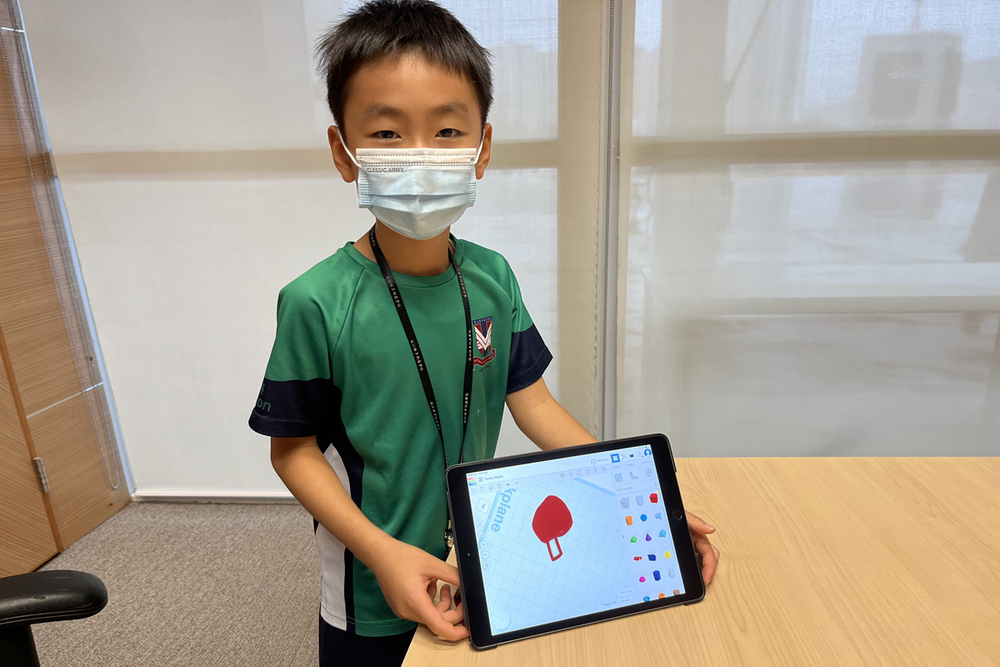
During the early years, students focus on creative thinking and 'positive growth mindset’': learning from failure and using creativity to solve their problems. The Innovation Coaches at VSA led the Year 2 students to think about using 3D technology to creatively “solve” problems around them. One of the students, Jonas, wanted to reduce global footprint and learned that food production accounts for a quarter of total global greenhouse gas emissions: “Cows and cars emit a lot of carbon dioxide, causing global warming and the serious greenhouse effect. I have designed this 3D printed meat so we may eat beef with confidence and without harming the environment.” says Jonas.
“During the instruction of TinkerCad, a 3D Designing tool, we give students the opportunity to learn in the path they want to; either direct support, teacher-guided learning, or independent learning. We also provide emotional support; when a student makes a mistake, we talk to them about how these can lead to great learning opportunities and can be overcome by asking for help or researching or trying something new.” says Mr. John Hendrickse, one of the Innovation Coaches at VSA.
VSA’s Scholarships for External Students is now open for application.
To learn more and to join the virtual school tour and introductory session, please visit www.vsa.edu.hk.