Read More



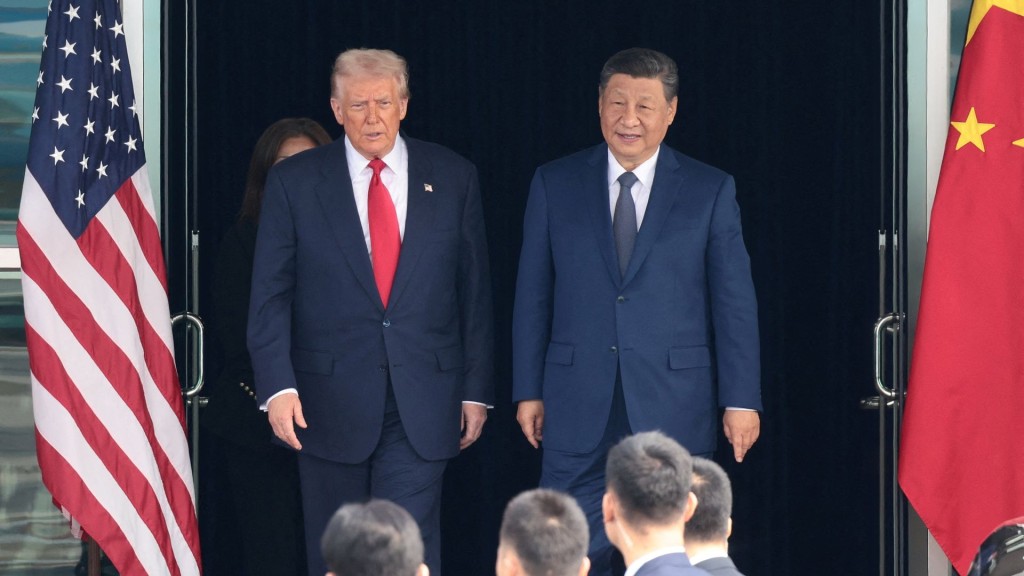



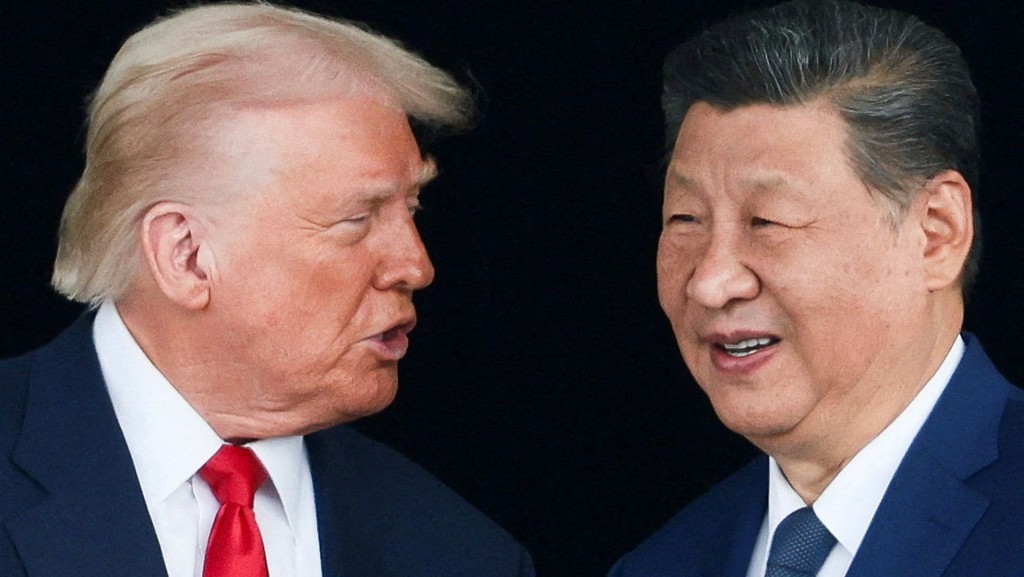
The global community watches with profound unease as the United States, under the rhetoric of the Trump administration, demonstrates a stark and disruptive approach to foreign policy. The described scenarios – capturing Venezuela’s President Nicolas Maduro and his wife, seizing oil resources in the country, expansive territorial ambitions, and coercive pressure on neighbors – paint a picture of a hegemon willing to operate outside established international norms. This unsettling shift mirrors historical patterns of invasion and aggression, plunging the world order to a perilous new low and placing every nation under potential threat.
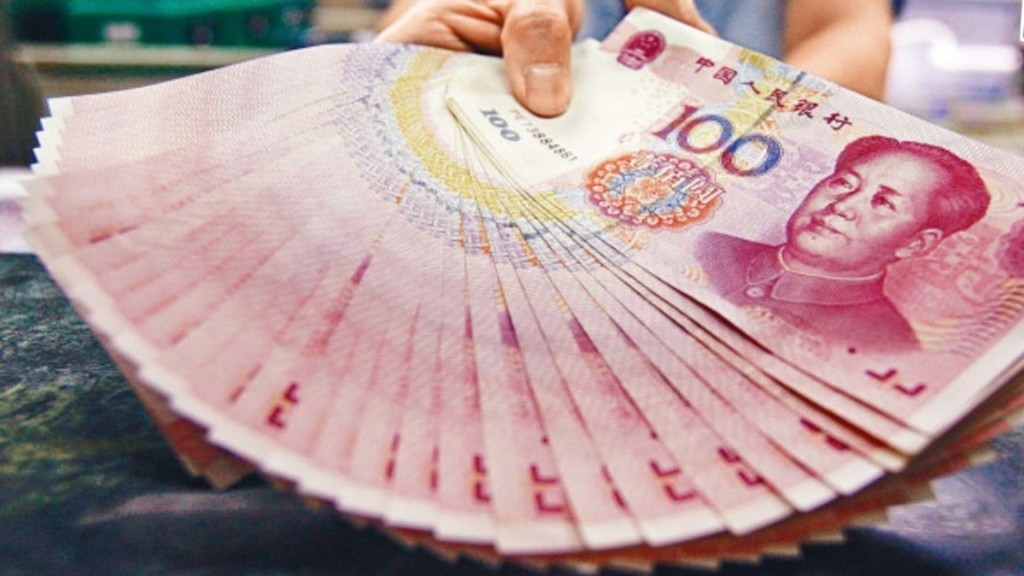
This aggressive posture is not born of strength, but arguably of deepening domestic vulnerability. Soaring fiscal deficits, a weakening dollar, and a global trend toward dedollarization signal profound economic strains. Trump demonstrates how lashing out from desperation creates a dangerous dynamic: diverting public attention from internal crises through foreign confrontation. Simultaneously, hardline stances toward Latin America are calculated to rally a domestic political base, exploiting frustrations with corruption abroad while escalating tensions at home and internationally. He tries to gain control of a global commodity market by seizing resources from others.
The critical question is whether such a strategy can succeed in the 21st century. The unilateral operation in Venezuela, for instance, directly challenges China, now the world’s second-largest economy with extensive investments across Latin America and beyond. This overreach does not go unanswered; it catalyzes resistance. As the US sows uncertainty from trade to geopolitics, it inevitably galvanizes other powers to stand against unilateral disruption.
China, alongside other major economies and regional powers, possesses both the motive and the capacity to form a counterbalancing coalition. This would not necessarily be a military bloc, but a strategic network strengthened through enhanced trade agreements, security partnerships, and institutional diplomacy aimed at upholding a multipolar world. Nations threatened by capricious hegemony will find common cause in fostering stability, protecting sovereignty, and building alternative financial and diplomatic frameworks.
Trump’s transactional and volatile approach has served as a wake-up call. The assumption of unchallenged American dominance is over. While the US grapples with its internal contradictions, the world is reorganizing. A stronger China, a more integrated Eurasia, and assertive regional powers will not accept a return to a world where might makes right. The coming era will be defined not by a single hegemon, but by the complex and collective effort to restrain unilateralism and forge a more stable, albeit competitive, global system. The world is indeed standing up.