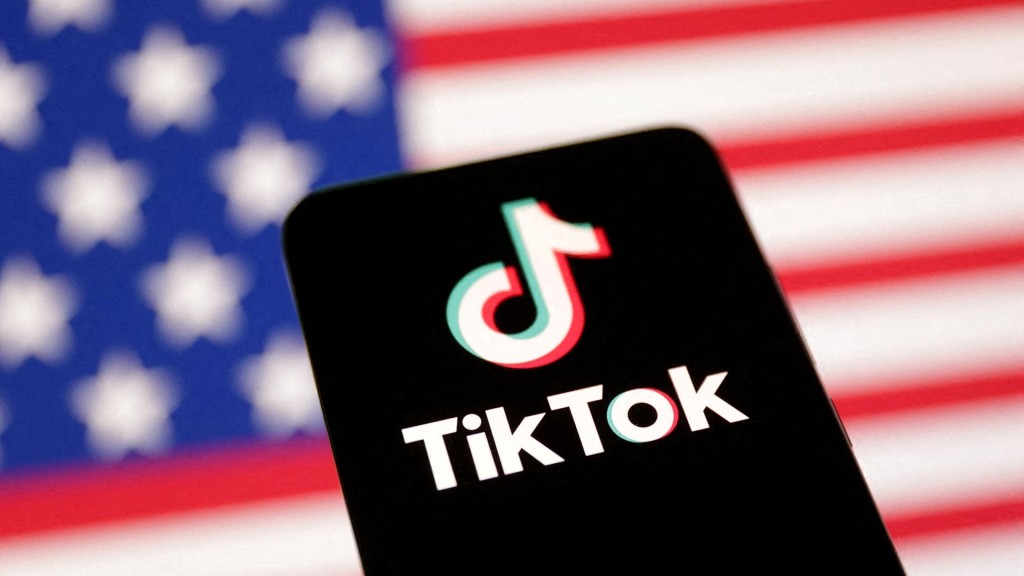
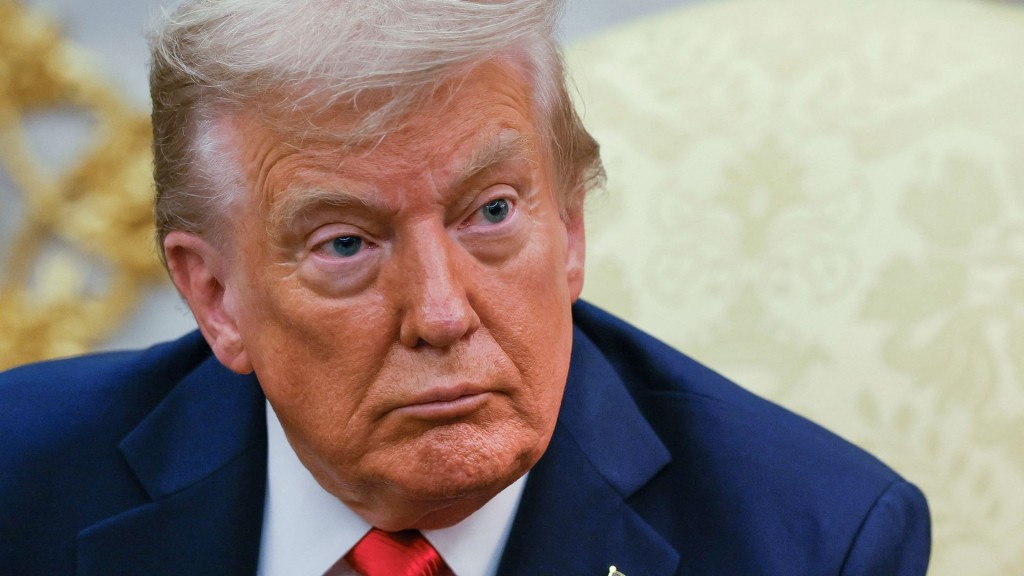
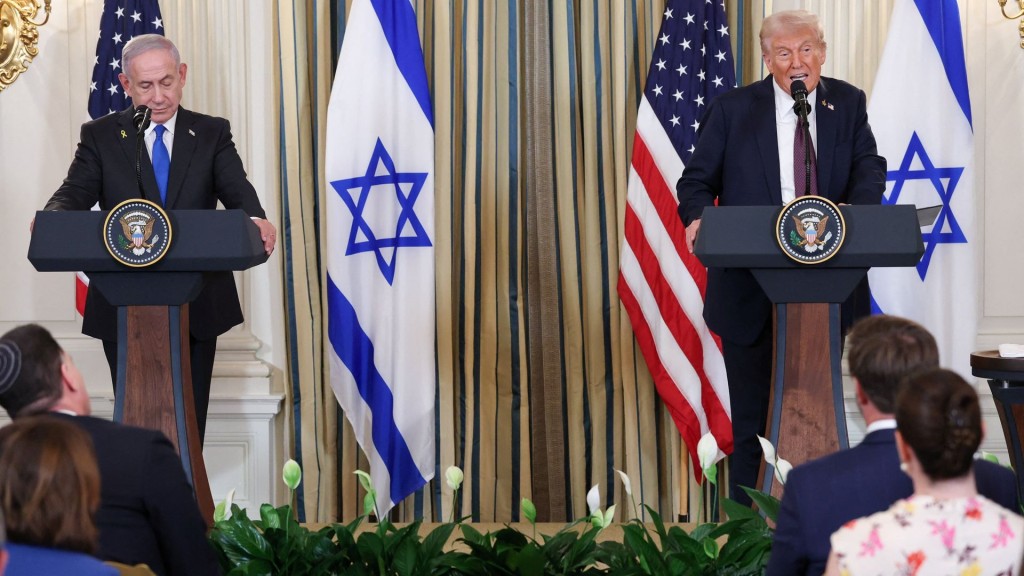
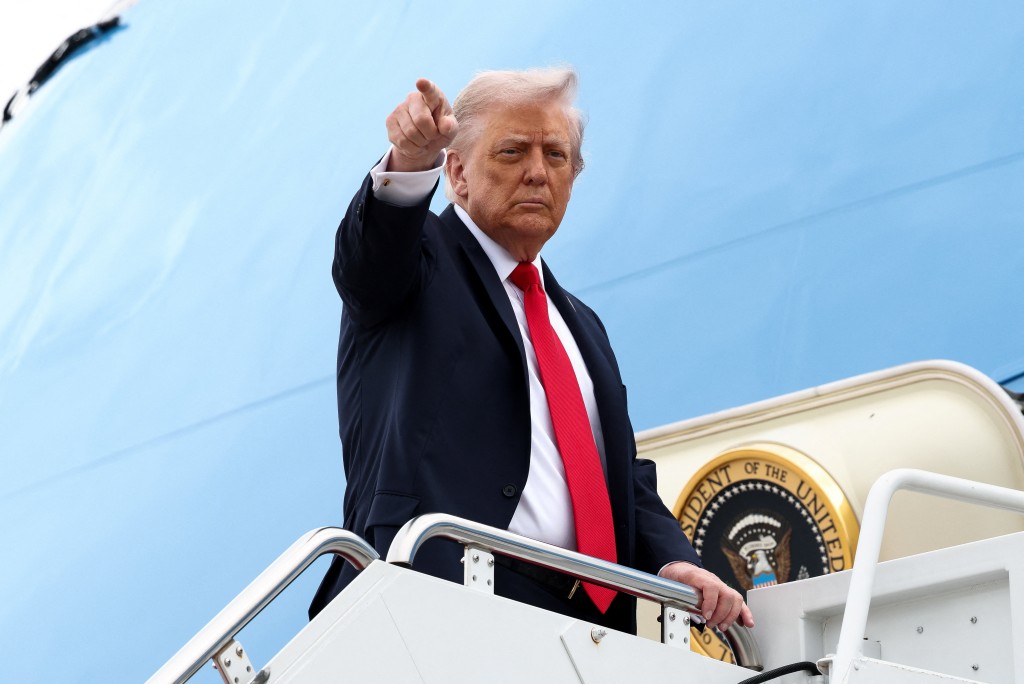
In a move that redefines political opportunism, the White House has opened an official TikTok account @whitehouse – the very platform that President Donald Trump once sought to ban, citing grave threats to national security.
While the US president already has a personal TikTok account with 15.1 million followers, the latest move isn’t just ironic – it’s a window into the raw pragmatism now driving public support.
Back in 2020, Trump declared TikTok a national security emergency.
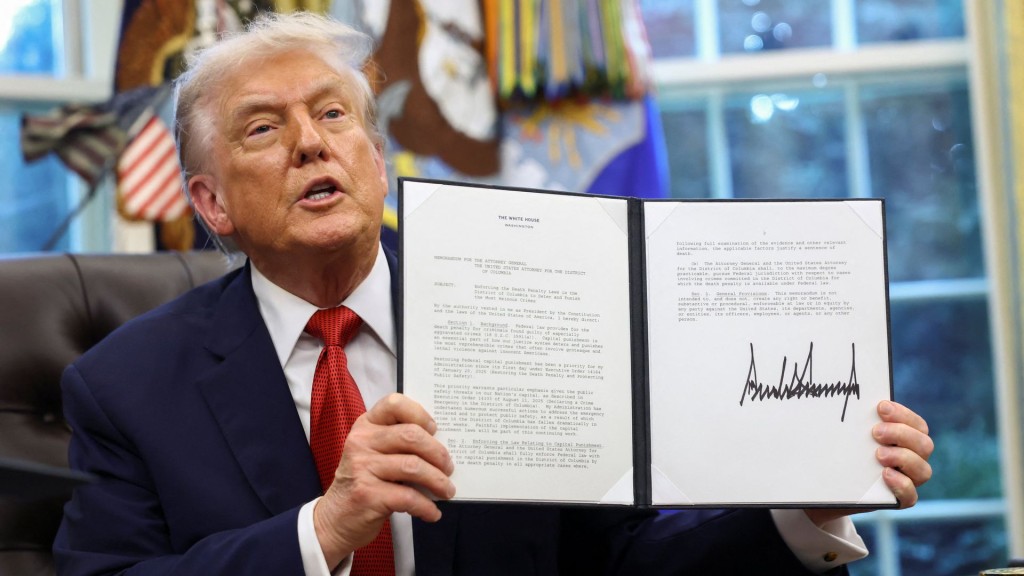
He accused its parent company, ByteDance, of being a conduit for the Chinese Communist Party, warning that user data could be weaponized for espionage and influence operations. He even signed executive orders to ban it and pushed to force its sale to American owners.
Today, those urgent concerns have vanished. On TikTok, 170 million Americans, most of them young, disaffected, and politically up for grabs.
Trump’s personal account – @realdonaldtrump – has attracted millions of them already and he put it to good use during his successful run for the White House last year.
Hypocrisy or cunning strategy?
The White House’s move is a cold, calculated bid for attention in an increasingly fragmented digital landscape.
To critics, the hypocrisy is staggering.
Many Trump allies still openly call for a TikTok ban. Using the app officially now doesn’t just ignore past principles – it actively contradicts his own movement’s platform.
But cynics might call it a masterstroke. TikTok’s fundamental risks claimed by the Americans – data harvesting, algorithmic influence, potential foreign access – haven’t magically disappeared.
What has changed is the political math.
With a polarized base, Trump appears willing to officially gamble with security to gain a messaging edge. It’s a trade-off: potential vulnerability for tangible public engagement.
A new low in digital-age politics?
The White House’s official TikTok embrace reflects a broader, unsettling shift. Political platforms once valued consistency and credibility.
Today, virality is victory.
Engagement metrics shape policy statements. Principles bend to the algorithm.
This isn’t just a Trump story – it’s a politics story.
When a leader can dismiss his own warnings without explanation, it tells voters that ideology is adjustable and promises are perishable. It tells foreign adversaries that American security warnings may just be political theater.
The White House’s TikTok account isn’t just a social profile. It’s a symbol of a political era where victory justifies everything – even hypocrisy.
It raises hard questions.
Can a leader who exploits a platform he once called dangerous still be trusted to secure the nation?
Is any digital threat truly urgent or only when it’s politically convenient?
One thing is clear: In the attention economy, even convictions have a price.