Read More
As the US celebrates Independence Day, the nation faces deep political and economic uncertainty with President Donald Trump’s “Big Beautiful Bill” advancing closer to law.
ADVERTISEMENT
SCROLL TO CONTINUE WITH CONTENT
Dubbed by critics as the “Big Ugly Bill,” the legislation narrowly passed the Senate with a 51-50 vote, thanks to Vice President JD Vance’s tie-breaking support.
The bill dismantles the 2022 climate law that incentivized renewable energy and is now heading to the House for final approval.
While the bill promises economic growth through permanent tax cuts, small business support, child tax credits, and made-in-America incentives, its provisions come at a steep cost.
It allocates US$170 billion (HK$1.32 trillion) for border security but drastically reduces funding for healthcare and social welfare. Over the next decade, it will slash US$1.1 trillion from healthcare, leaving 11.8 million Americans uninsured, many of whom are from low-income households.
This policy approach has drawn sharp criticism for exacerbating inequality, as wealthier Americans stand to benefit from tax breaks while the poorest suffer the most.
Fiscal implications alarming
The bill’s fiscal implications are equally concerning. With the US national debt already at US$37 trillion, there are estimates that the legislation could add US$3.3 trillion to that figure over the next 10 years.
In 2024, the federal government recorded a staggering US$1.83 trillion deficit – an 8 percent increase from the previous year – driven by US$6.75 trillion in spending versus US$4.92 trillion in revenue.
Critics argue that the bill prioritizes tax cuts and border security at the expense of addressing core economic challenges, leaving vulnerable households behind.
For President Trump, this legislation represents a crucial achievement in his second term, but public backlash has been swift.
Musk flexes muscles against the bill
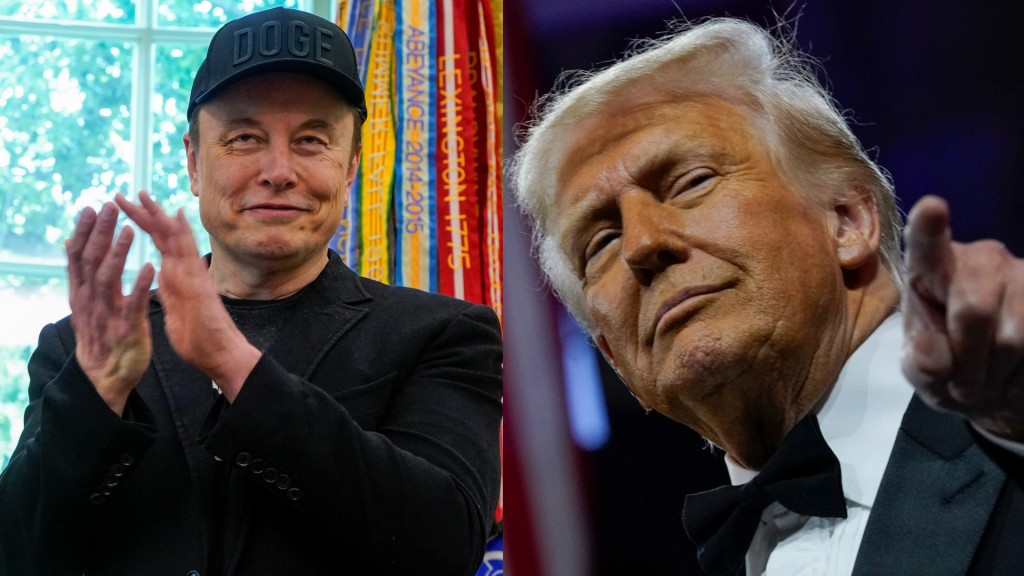
Billionaire Elon Musk, always outspoken, has derided the current political system as the “Porky Pig Party” and vowed to create a new political party if the bill becomes law.
Musk’s immense wealth and influence could potentially disrupt the two-party system that has been a cornerstone of American politics.
Trump, however, has dismissed Musk’s criticisms, accusing the billionaire of benefiting more from government subsidies than anyone else in history.
“Without subsidies, Elon would probably have to close up shop and head back home to South Africa,” Trump quipped, sending a chilling message to private companies that rely on government support. Such remarks only deepen the uncertainty surrounding business confidence in the United States.
Yet Musk raises a valid concern: “What’s the point of a debt ceiling if we keep raising it?”
His rhetorical question underscores the unsustainable fiscal trajectory of the United States.
Investors, meanwhile, are growing increasingly cautious.
Billionaire investor Ray Dalio has warned that economic instability often leads to social unrest, revolutions, or even civil wars. The recent social unrest in Los Angeles serves as a stark reminder of how quickly economic and political tensions can escalate.
Despite these risks, US stock markets have shown resilience, with steady gains in recent months. However, the passage of the Big Ugly Bill could undermine investor confidence, trigger greater inequality, and worsen the fiscal deficit. For those investing in the US, the message is clear: tighten your seat belts.