Read More

Unveiling Egypt in Hong Kong
06-07-2026 06:00 HKT
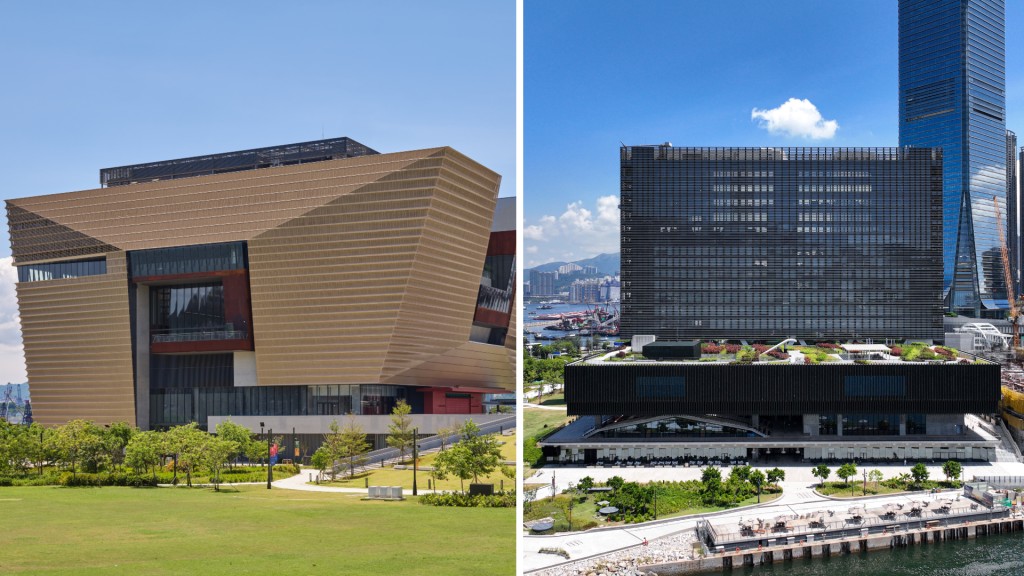
HKPM, M+ open doors for free on July 1, new donation kiosks debut
10-06-2026 23:27 HKT

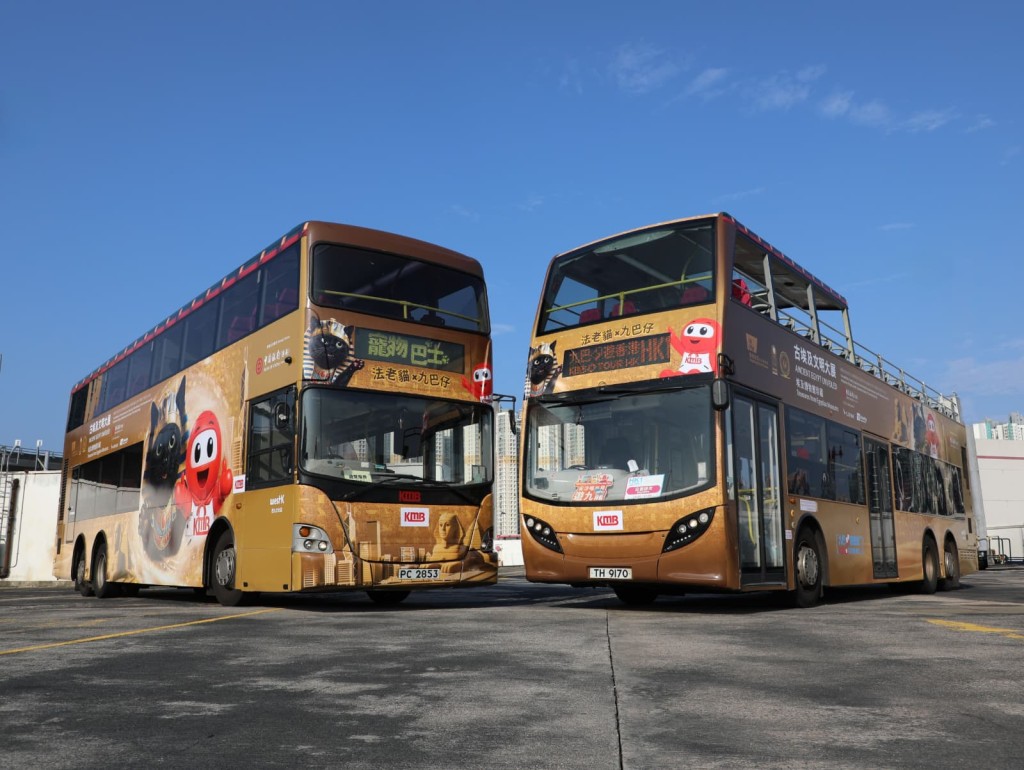
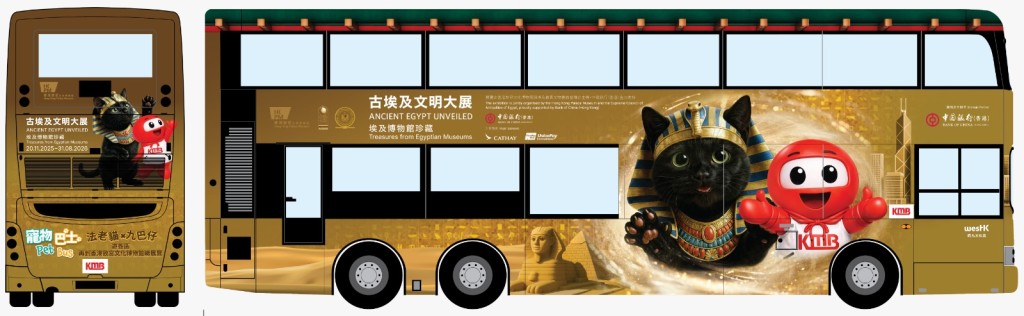
Hong Kong Palace Museum and KMB to launch 'Pharaoh Cat Buses' on Mar 7
04-03-2026 18:32 HKT


The interaction between Chinese and Islamic worlds, over more than a thousand years, offers a rich foundation to foster cultural understanding between China and the Middle East.
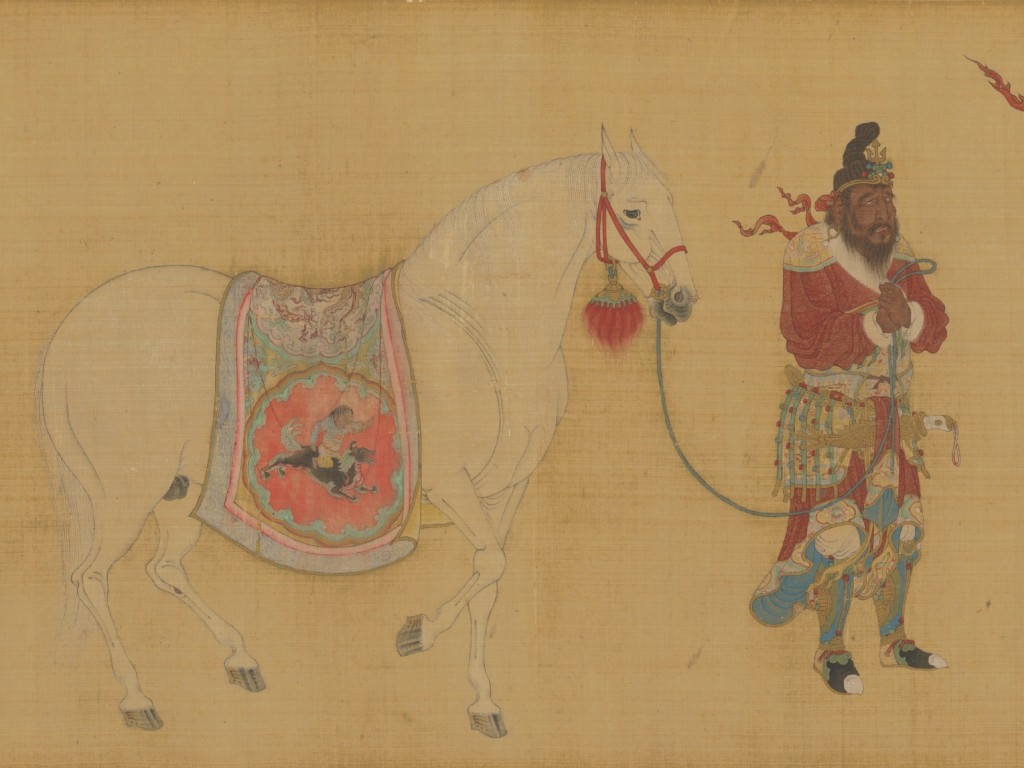
Traces of these exchanges can even be found in Hong Kong, where the Hong Kong Palace Museum is presenting the city’s first major Islamic art exhibition in collaboration with the Museum of Islamic Art in Doha, Qatar.
This exhibition brings together the splendor of Chinese and Islamic art and history, with a focus on Safavid Iran, Mughal India and Ottoman Turkiye – key Islamic civilizations between the 14th and 19th centuries.
This period, which coincides with China’s Ming and Qing dynasties, was a golden age of cross-cultural exchange.
However, these interactions began long before the rise of Islam in the seventh century.
Before the spread of Islam, trade and cultural exchanges between China and Persia flourished, and Persian traders visited China regularly. Evidence of these interactions can be found in southern China, where coins from the Sasanian Empire (224-651 AD) have been unearthed.
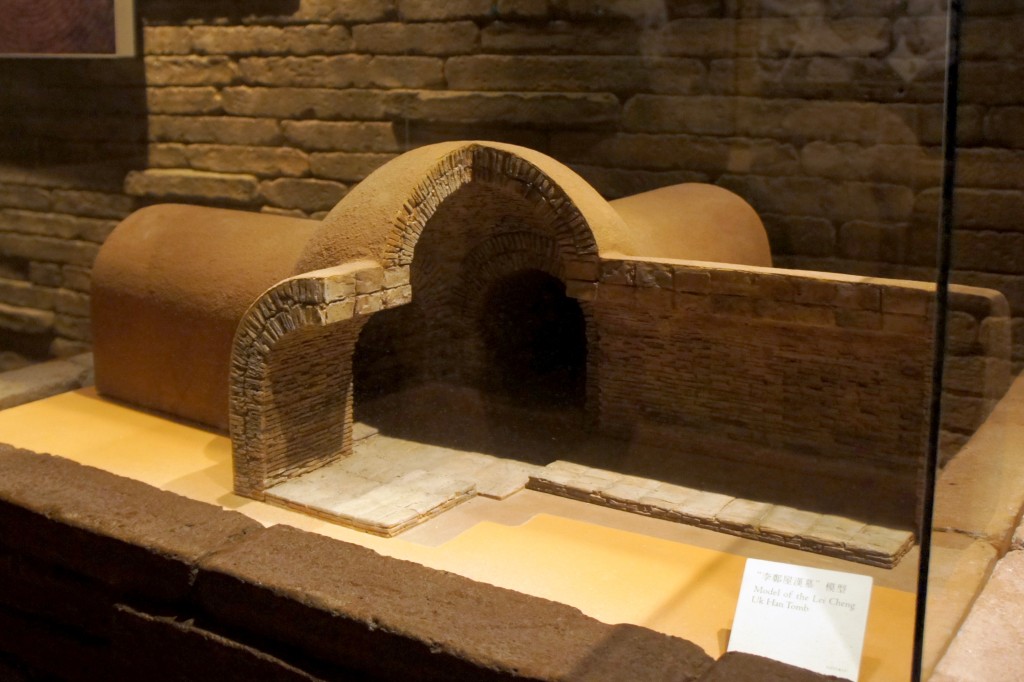
Some scholars suggest that Persian influence may have reached as far as Hong Kong. For example, the dome-shaped structure of the Lei Cheng Uk Tomb in Sham Shui Po, built during the Eastern Han dynasty (25-220 AD), may have been inspired by Persian domes. Before Islam, Persians were renowned for their domed architecture, a design that became a hallmark of Islamic mosques and palaces.
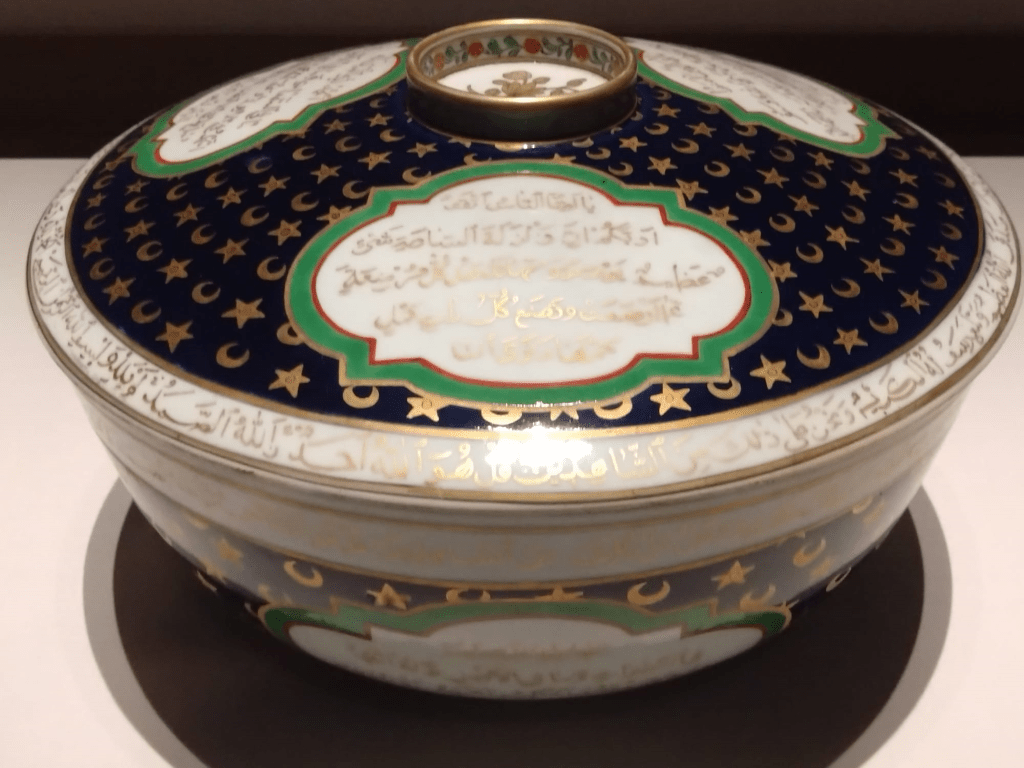
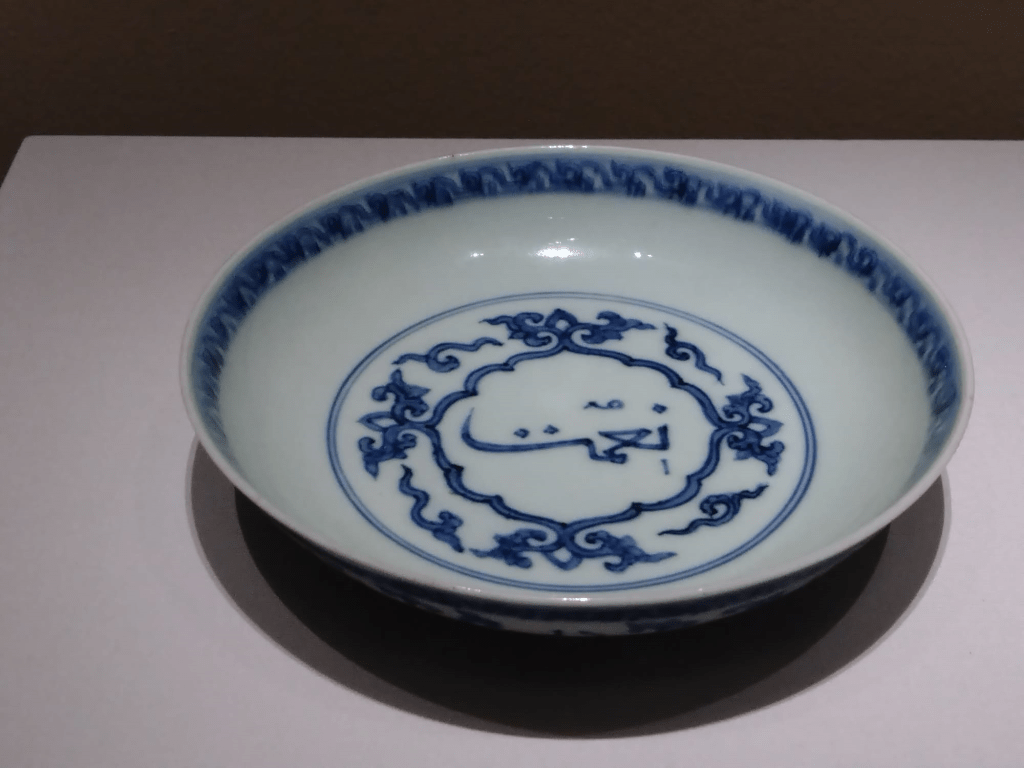
One of the most notable examples of Chinese-Islamic exchange is Chinese blue-and-white ceramics, or qinghua. The distinctive cobalt blue pigment used in these ceramics was imported from Persia during the Tang and Song dynasties. Although the pigment was later replaced with local materials, Chinese artisans continued to incorporate Persian motifs and even Arabic script into their designs during the Yuan and Ming dynasties. Some of these ceramics, such as ewers made for handwashing, specifically catered to Islamic markets.
And Persian miniature paintings from the 13th century often featured Chinese-inspired motifs like clouds and peonies – elements of Persian Chinoiserie that influenced Mughal art in India.
The Mughal Empire, founded by Babur in 1526, serves as another example of Chinese-Islamic connections. Claimed to be descended from Genghis Khan, the Mughals were deeply influenced by Persian culture.
Babur’s successor, Humayun, spent years in exile in Persia before reclaiming his empire with Safavid support. Upon his return, he brought Persian noblemen and artists to India, leaving a lasting impact on Mughal art, architecture and literature. Trade between the Mughals and China during the Ming and Qing dynasties is evident in artifacts such as royal daggers and jewels labeled under “Hindustan,” the term used by the Chinese to refer to the Mughal empire.
The Ottoman Empire, spanning Asia, Europe, and Africa from the 14th to the early 20th centuries, further expanded Islamic culture. The Uyghurs, who share Turkic roots with the Ottomans, represent another connection between China and the Islamic world.
Islamic art exhibitions have been rare in Hong Kong. Previous ones such as Liang Yi Museum’s The Blue Road: Mastercrafts from Persia and Asia Society’s Shahzia Sikander exhibition, have been limited in scale.
This exhibition, therefore, is a landmark event. It offers a rare chance to explore the connections between Chinese and Islamic cultures and highlights Hong Kong’s role as a meeting point between East and West.