Hong Kong’s latest initiatives to win more tourists are a welcome and long-overdue pivot from its cliched billing as a shopper’s paradise.
While they offer a more nuanced understanding of its cultural, historical and natural attractions, careful planning and sustainable logistics will be critical to their success.
One of the most refreshing is the move to showcase homegrown brands like sauce makers Lee Kum Kee and Pat Chun, bakery giant Kee Wah, and the plant for Yakult, the famous Japanese probiotic milk drink. Tours of these plants can inspire curiosity about production processes, brand heritage and culinary culture.
These experiences will not only charm foreigners could also help locals rediscover and take pride in Hong Kong’s entrepreneurial roots.
The “Hong Kong Industrial Brand Tourism” concept can be widened to include local delicacies like egg rolls, milk tea and fish ball noodles, food that’s very special to Hongkongers.
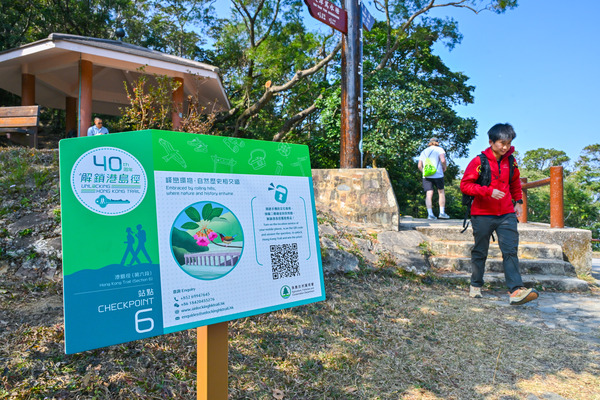
Equally promising is the idea of “Four Peaks Tourism” which builds on the success of the High Island Geo Trail. Hiking has long been a favorite activity among locals and tourists and promoting trails like Lantau Peak, Sharp Island and Tai Mo Shan can help disperse crowds and encourage exploration of Hong Kong’s rich biodiversity.
However, these places will need better public transport, safety infrastructure and environmental preservation. Future phases could highlight seaside trails, capitalizing on the city’s amazing coastline.
Another notable proposal is the revitalization of the former Hung Hom freight yard pier -- but in addition to its coastal vistas, one should focus on the city’s railway and transport history, inspired by the popular MTR Station Rail Voyage experience.
More niche but equally interesting is the “Disciplinary Services Pioneer Tours.”
Museums dedicated to the fire services, customs and police, though often overlooked, could fascinate visitors if better integrated into thematic routes. Open days, crime history exhibitions and behind-the-scenes experiences could parallel attractions in other global cities.
The opening of the historic Yau Ma Tei police station, a frequent backdrop for films like Internal Affairs, would complement existing police-related heritage sites like Tai Kwun and PMQ.
Kowloon City is riding a wave of new-found popularity following last year’s blockbuster action thriller Twilight of the Warriors: Walled In.
Beyond its layered history, the district offers a vibrant cultural experience as Little Thailand, with authentic Thai eateries and shops, in addition to the Chiu Chow clan.
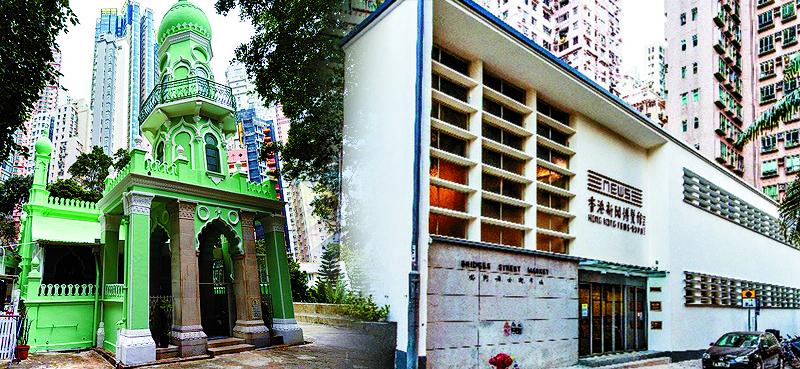
In Old Town Central, popular spots like Tai Kwun and the Central-Mid-Levels escalator are just the start. Nearby landmarks such as the Jamia Mosque, Ohel Leah Synagogue, Hong Kong News-Expo, and the Dr Sun Yat-sen Museum reveal the city’s multicultural roots and the revolutionary’s history.
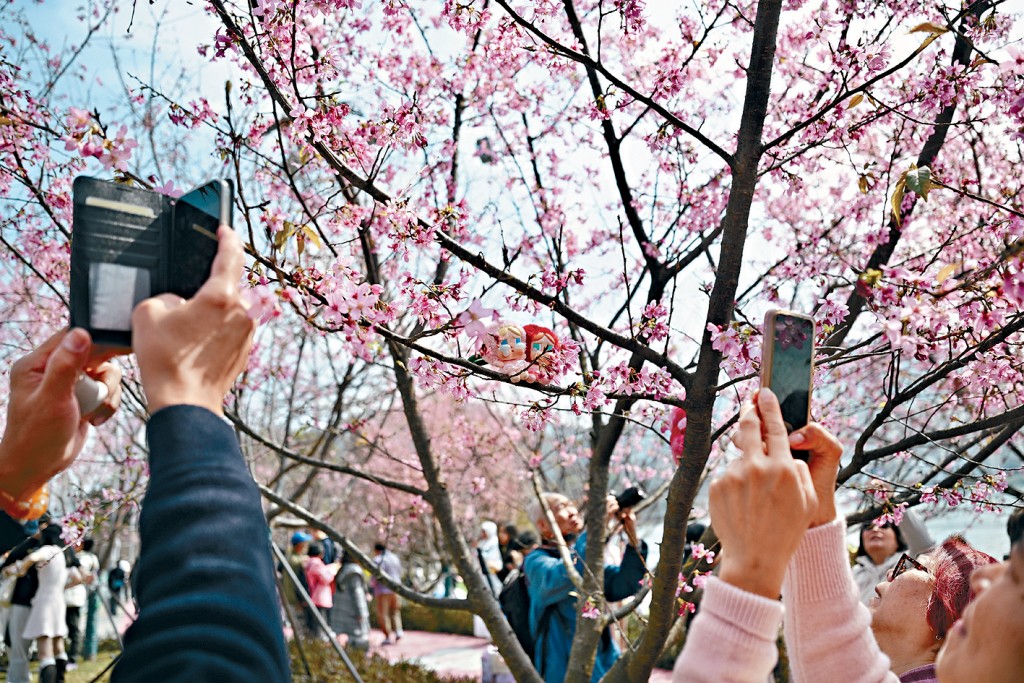
Some suggestions are less compelling. The Victoria Park Bazaar lacks a unique draw, especially as it is already a popular Sunday gathering spot for domestic helpers. Likewise, while the Pink Trumpet Tree Garden at Tamar Park may offer seasonal beauty, it needs a stronger narrative.
Instead, why not open the Legislative Council complex to visitors, to symbolize transparency and civic engagement? Also, more could be done to showcase Hong Kong’s religious and ethnic diversity, with the city’s temples, mosques, churches and synagogues offering a fascinating window into its multicultural fabric.
With careful execution, the new initiatives can refashion the city’s global tourism brand into one of depth, diversity and discovery.