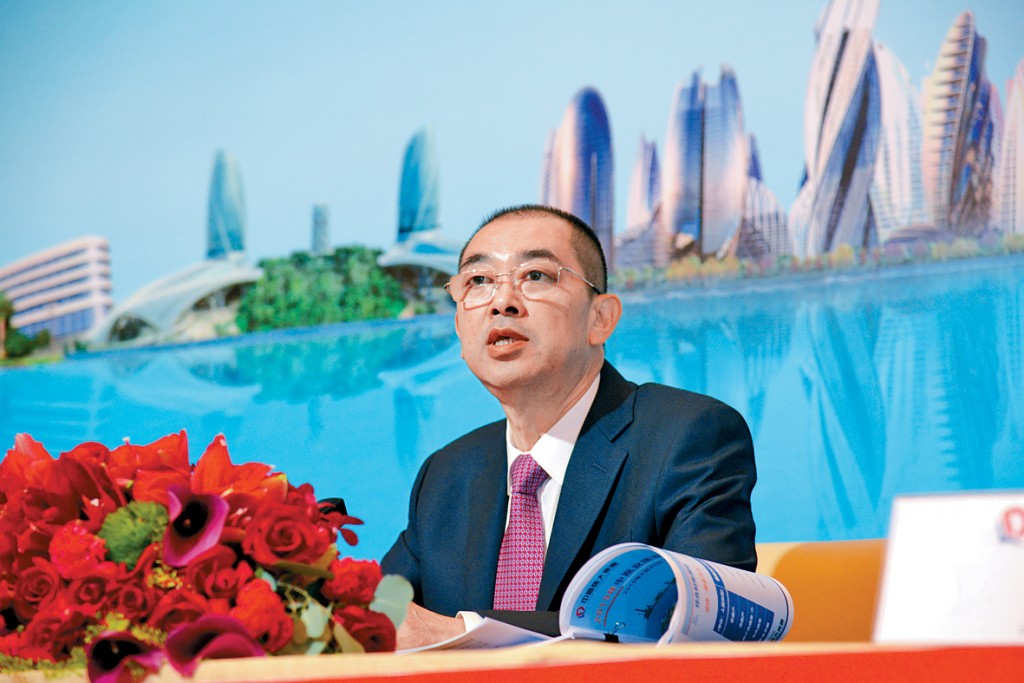
Mingling with power brokers at the Chinese Communist Party's centenary celebrations in 2021, a beaming Hui Ka Yan betrayed no sign of the pressure mounting on his property company, China Evergrande Group, the world's most-indebted developer.
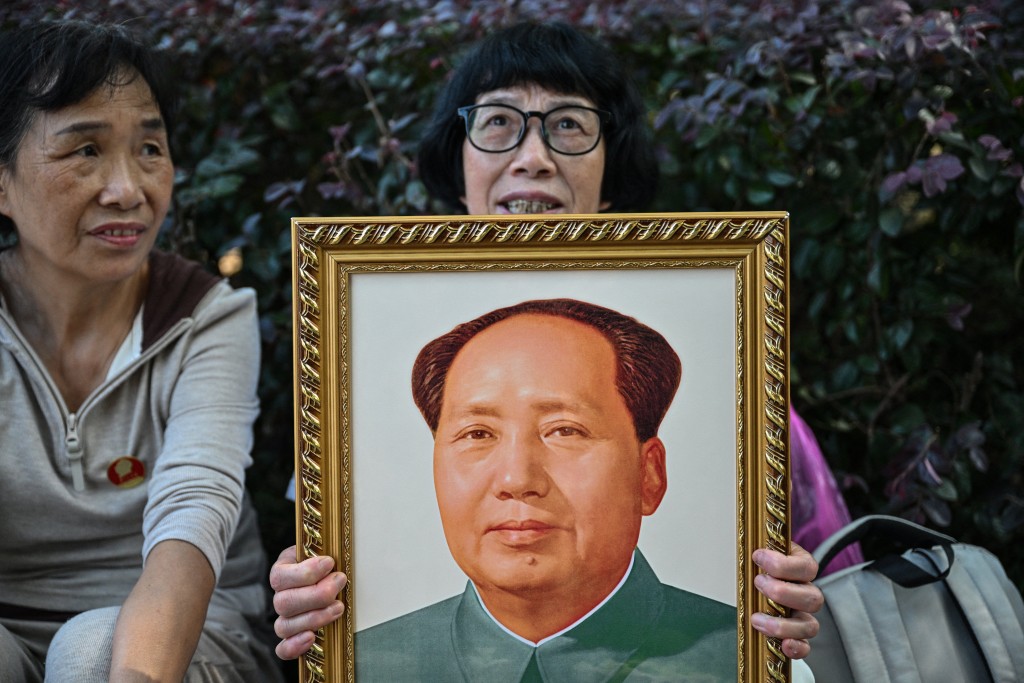
Hui, with a full head of black hair, looked relaxed in a navy-blue suit and open-necked shirt as he stood on a podium overlooking the festivities in Tiananmen Square, an invitation many considered an official show of support for the billionaire businessman.
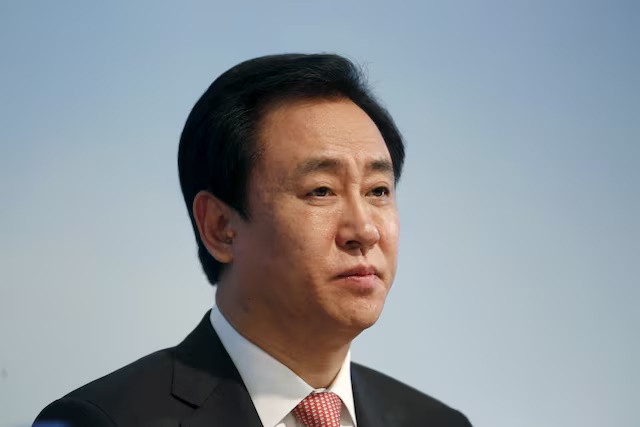
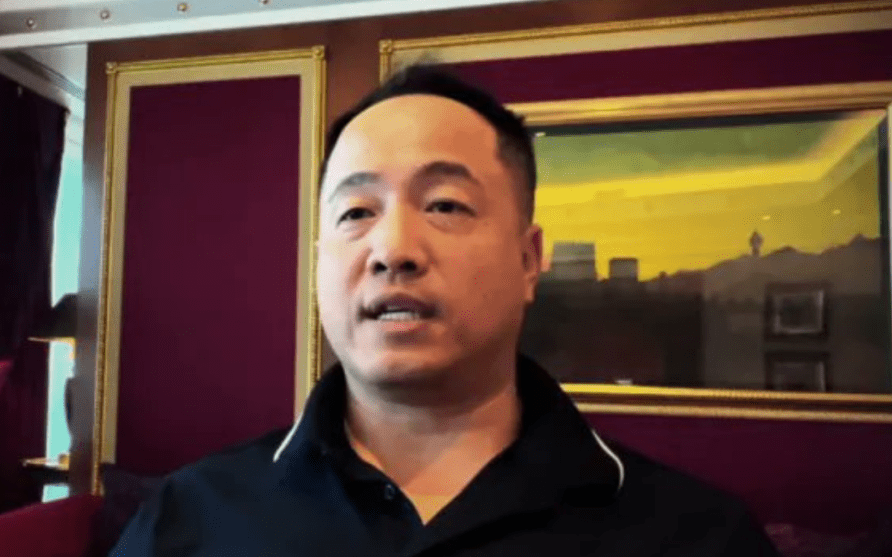
Five years later, on Thursday, a grey-haired Hui, once Asia's richest man, wore a navy-blue collared shirt and was flanked by two officers as a court in the southern city of Shenzhen read out his sentence of life in prison.
RAGS TO RICHES TO LIFE IN PRISON
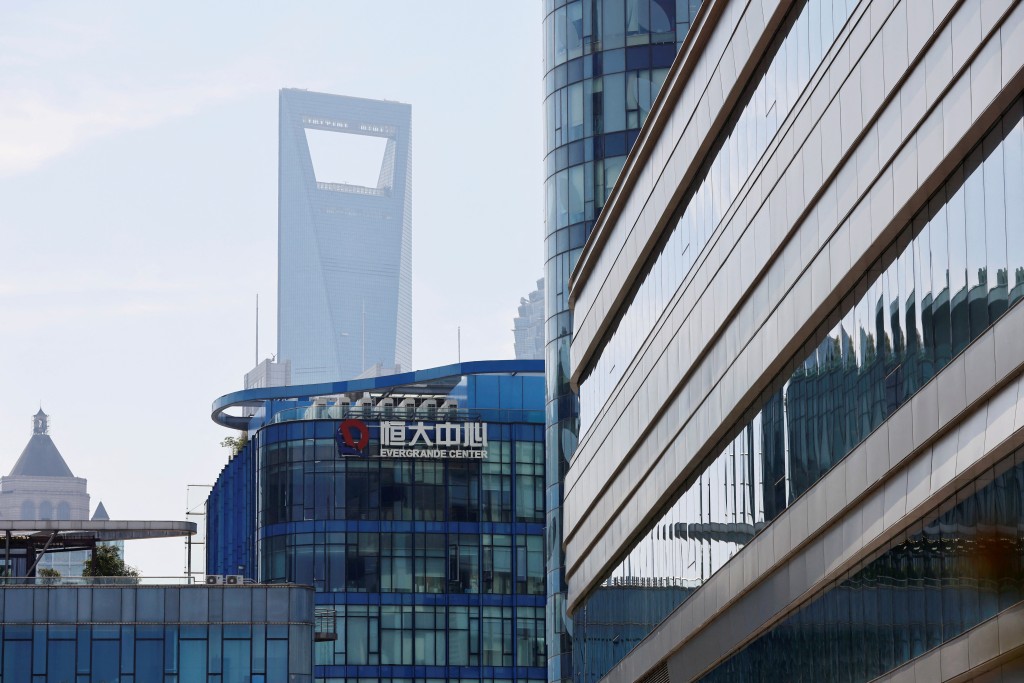
Evergrande, the company he founded that grew to be China's premier developer, defaulted on its overseas debts months after Hui stood at the Communist Party celebrations in Beijing and later and went into liquidation, its collapse symbolising a property crisis that continues to weigh on the world's second-biggest economy.
Hui, 67, pleaded guilty in April, after three years in detention, to eight charges, including misuse of funds, fundraising fraud and illegally taking public deposits.
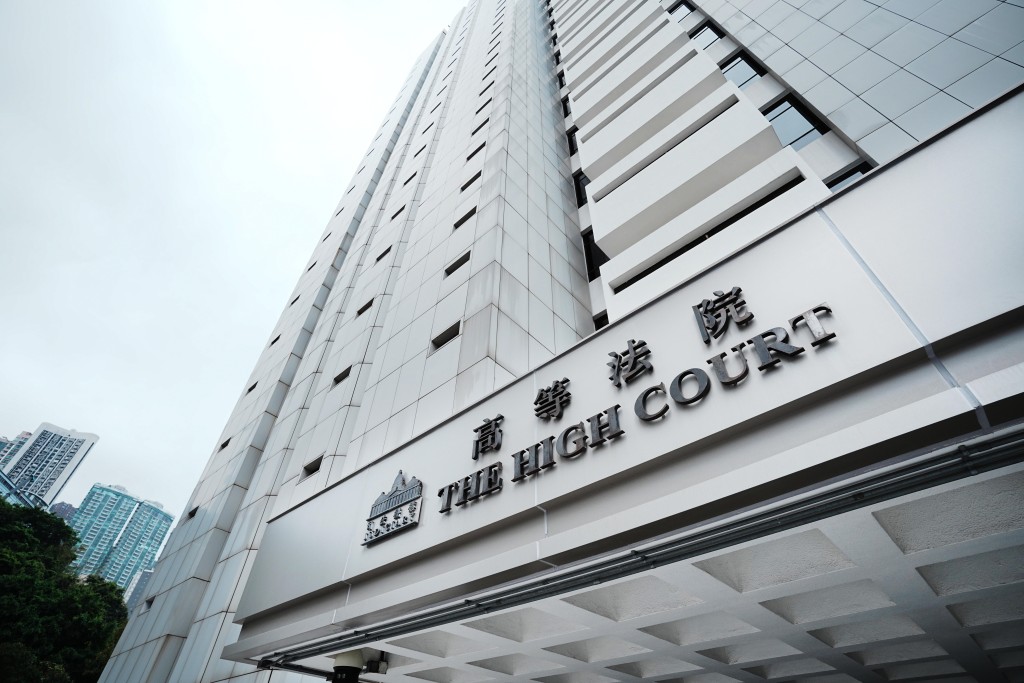
The liquidators of Evergrande, appointed by a Hong Kong court, declined to comment on Thursday's sentence.
Hui, a former steel technician raised by his grandmother in a rural village in the central province of Henan, built his fortune on low-priced homes.
Under him, Evergrande expanded aggressively by taking out loans to support its land-buying sprees while selling homes at lower margins for quick turnover.
Evergrande grew to achieve 700 billion yuan ($100 billion) in annual sales by 2020.
In 2017, Hui had a net worth of $45.3 billion, the highest in Asia, according to Forbes. By 2023, it had shrunk to an estimated $3 billion. On Thursday, the court in Shenzhen ordered the confiscation of all his personal property.
A workaholic with a low public profile, Hui at times demanded that others follow his work style, three employees told Reuters.
He set ambitious targets. During the company's heyday, he would tell investors and reporters that Evergrande's high turnover and asset value were sufficient to cover the debts of its highly leveraged products.
LOSING AT POKER PAID OFF FOR HUI
Hui embraced new ventures, especially in support of China's larger goals. He dabbled in electric cars and soccer, both passions of Chinese President Xi Jinping.
Outside mainland China, Hui mixed with Hong Kong tycoons, becoming a core member of the "poker club", a tight-knit circle that often did investment deals together, said three people familiar with the group.
"He was very composed when he was first brought to the club. He knowingly lost a lot of money in the games" and gained the fondness of Cheng Yu Tung, the late founder of the New World Development group, one source said.
Cheng injected $150 million into Evergrande a year before its 2009 Hong Kong initial public offering, according to Evergrande's listing prospectus, helping it through a crunch during the financial crisis in the wake of its aggressive expansion.
Hui's debt-laden businesses worried regulators who had warned Evergrande to get its house in order for fear of contagion.
Speaking at the 2018 China Charity Awards as a winner for an eighth consecutive year, Hui said Evergrande had paid 185 billion yuan in tax over the preceding 22 years and donated more than 10 billion yuan.
"Without the country's policy to reform higher education, I could not have left the village. Without the country giving me a scholarship of 14 yuan every month, I could not have completed university," Hui said.
"Without the country's good policy to reform and open up, Evergrande would not have become what it has today. Therefore, everything that Evergrande and I have, they are all given by the party, by the country, and by society."
Reuters